
 E-Paper



The alkaline diet: Can it really prevent cancer or is it another health fad?
The alkaline diet may improve health by promoting whole foods over processed ones, but it doesn't change your blood’s pH levels to prevent cancer.

 Prefer HTon Google


You might have heard that an alkaline diet can help with weight loss, as well as cancer prevention and treatment. However, it is not entirely accurate. Some aspects of the alkaline diet can be beneficial for your health. Still, it is based on misunderstandings about how food affects pH levels in the body and how these levels relate to health, disease, and cancer. Before you rush to buy alkaline-rich foods like kale and quinoa, ask yourself: Is the alkaline diet beneficial, or just another health trend that won’t last?

What is an alkaline diet?
An alkaline diet focuses on a simple idea: eat more alkaline foods and avoid acidic ones. But what does 'alkaline' mean? “Scientifically, it means having a pH level above 7.0, where 0 is very acidic, 7 is neutral, and 14 is very alkaline,” Dr Anjali Hooda, Obesity, Advanced Metabolic and Functional Medicine Specialist, tells Health Shots. Eating alkaline foods can make your body more alkaline, which might lead to benefits such as increased energy, weight loss, and better protection against chronic diseases.
Our bodies do not readily change pH levels based on what we eat. Different parts of our body work best at various pH levels. “For example, our stomachs are very acidic to help with digestion, while the pH of our blood stays between 7.2 and 7.4. Even small changes outside this range can be harmful,” says Dr Hooda. This raises the question: can diet change your blood's pH balance? Research says there is not enough evidence to support the claim.
A 2024 study published in Clinical Nutrition Open Science suggests that diets high in acid, often rich in animal proteins and processed foods, may raise cancer risk. “This has led some supporters to claim that eating more alkaline foods such as fresh fruits, vegetables, nuts, and certain grains, could help reduce inflammation and lower the risk of cancer,” explains the doctor.
The study found that cancer cell numbers decrease when blood pH rises, especially during chemotherapy. However, the American Institute for Cancer Research warns that there is no substantial evidence that an alkaline diet can prevent cancer. They emphasise that a balanced diet, including a mix of carbohydrates, proteins, and healthy fats, is key to overall health.
What are the benefits of the alkaline diet?
The alkaline diet focuses on eating whole, minimally processed foods, which can offer several health benefits. Here’s how it works:
- Rich in nutrients: The alkaline diet promotes eating a variety of fruits, vegetables, nuts, and seeds. These foods are high in vitamins and minerals.
- Promotes healthy eating patterns: By encouraging you to avoid packaged foods high in sugar, it guides you toward more nutritious options. Many recent studies show that making these choices can lead to long-term health benefits.
- Supports gut health: Eating alkaline foods helps maintain gut health. A healthy gut is important for your immune system and overall health.
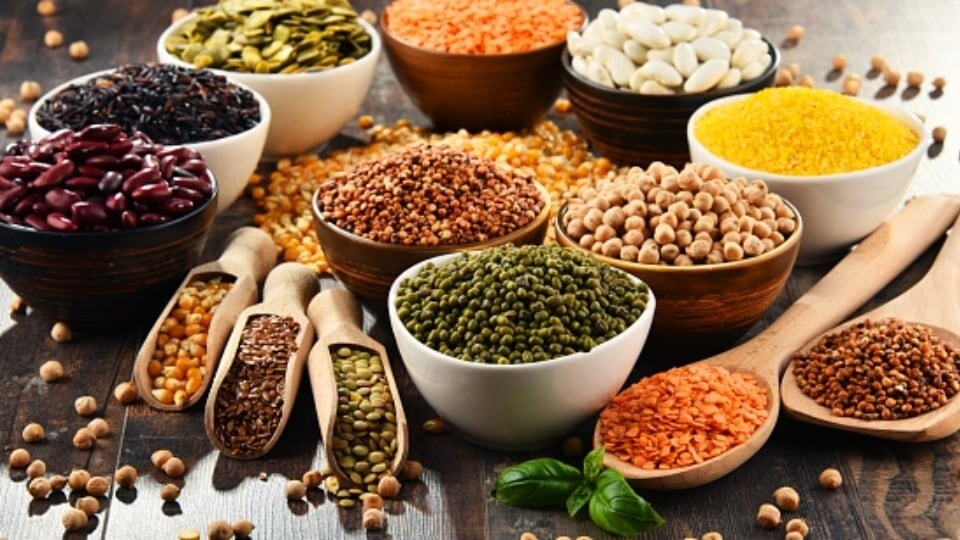
"If you follow an alkaline diet, you might enjoy foods like leafy greens, mushrooms, quinoa, avocados, lentils, and many fruits, especially citrus fruits, even though they taste acidic," says Dr Hooda.
What are the disadvantages of the alkaline diet?
Before you start this way of eating, consider some key drawbacks.
- Excluding protein sources: Many critics of the alkaline diet point out that it limits protein sources. "Most popular animal proteins are considered too acidic to eat", says Dr Anjali. While plant-based diets can provide sufficient protein, strict alkaline diet followers may miss out on important nutrients by avoiding specific sources entirely.
- Risk of nutritional deficiencies: Cutting out entire food groups, such as dairy or certain grains, can lead to deficiencies in calcium and vitamin B12. This is a big concern for people who follow a vegan diet and don't take the right supplements to get these nutrients.
- Lack of scientific backing: While this diet encourages healthy food choices, there is insufficient strong scientific evidence to support its claims, especially regarding cancer prevention. In a world where nutrition should be based on science, this is a critical point to consider.
(Note to readers: This article is for informational purposes only and not a substitute for professional medical advice. Always seek the advice of your doctor with any questions about a medical condition.)

Catch your daily dose of Fashion, Taylor Swift, Health, Festivals, Travel, Relationship, Recipe and all the other Latest Lifestyle News on Hindustan Times Website and APPs.


