
 E-Paper



Typhoid: 5 safety precautions to lower the dangers of this infection

 Prefer HTon Google


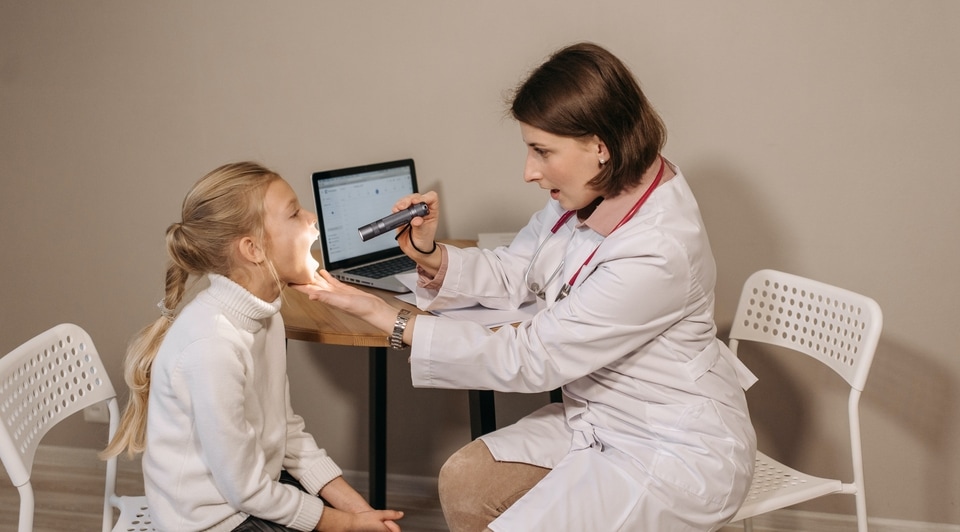
Typhoid infections are on a dramatic rise and it is impacting young school-age children disproportionately. Health expert shares typhoid causes, symptoms and 5 safety precautions to lower the dangers of this infection
Children between the ages of 3 and 14 are experiencing a dramatic rise in typhoid infections but young school-age children are disproportionately impacted and as per health experts, this is a result of people eating unhygienic food from outside sources. It has been affecting, on average, 4-5 people out of every 30 patients.
According to reports, the water-borne illness called typhoid, which spreads through water and food tainted with the Salmonella Typhi bacteria, claims the lives of between 1,28,000 and 1,61,000 people annually. Eight million Indians contract the disease each year and India accounts for more than 40% of deaths due to typhoid.
In an interview with HT Lifestyle, Dr Parimala V Thirumalesh, Senior Consultant - Neonatology and Paediatrics at Aster CMI Hospital in Bangalore, shared, “High fever, apprehension, fatigue, and diarrhoea are symptoms of the bacterial infection. In extreme circumstances, it may result in intestinal bleeding or pneumonia, both of which are fatal. The main ways that typhoid is spread are through contaminated food, drinks, and drinking water.”
She highlighted, “If you don't wash your hands after using the restroom, you risk contaminating any item you touch if you have typhoid. Anyone who eats this food runs the risk of getting sick as well. Typhoid fever can be avoided by drinking clean water, improving sanitation, and practising cleanliness. Unfortunately, many developing countries find it difficult to put into practise. As a result, vaccinations are considered to be the best method of preventing typhoid.”
She insisted that typhoid vaccinations should be combined with additional safety precautions when visiting high-risk regions to further lower the dangers. These consist of:
1. Regular soap and water hand cleansing.
2. Drink bottled water if possible or boil the water for at least one minute.
3. Do not eat fruits or vegetables that are uncooked.
4. Avoid eating in unclean environments
5. Eat only hot food and stay away from food that has been kept at room temperature.


