
 E-Paper



UK surgeon shares why you should be extra careful while handling newborns: Wash hands with soap and water, avoid kissing

 Prefer HTon Google


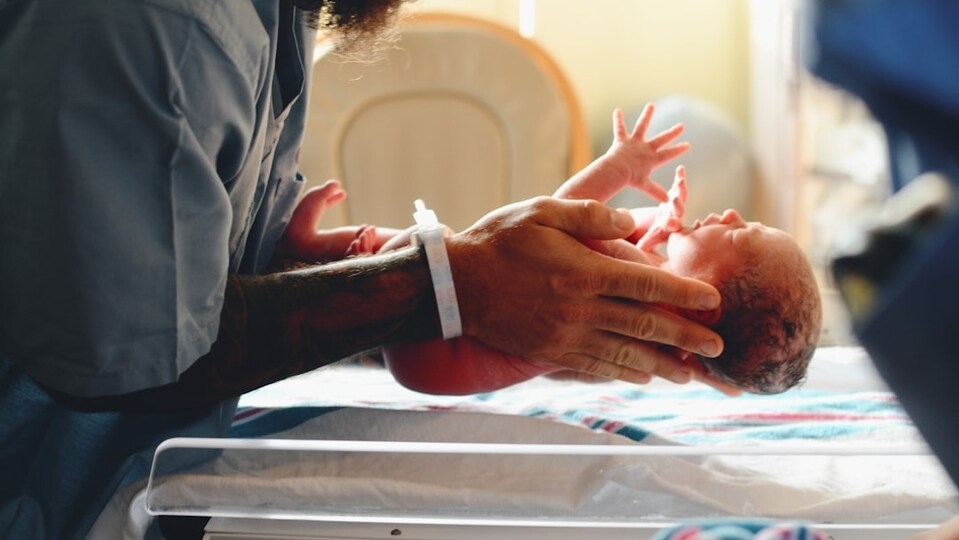
Newborn babies have especially vulnerable immune systems which are still in the process of development. Dr Rajan shares non-negotiable rules you need to know.
Welcoming a newborn into the family often brings a steady stream of visitors – friends and relatives eager to meet, hold, and shower the baby with affection. While these gestures come from a place of love and concern, they can unintentionally expose the infant to infections their fragile system isn’t equipped to handle. What may seem like harmless cuddles or kisses can carry risks, making it essential to approach newborn interactions with extra care and caution.
Also Read | Can eating processed meats daily give you colon cancer? UK surgeon explains the link between the two
Dr Karan Rajan, a UK-based surgeon and popular health content creator, is highlighting a set of non-negotiable rules to follow when handling newborn babies. In an Instagram video shared on April 11, he explains that newborns have immature immune systems, making them particularly vulnerable to infections. As a result, even illnesses that may seem mild in adults can pose serious – and sometimes life-threatening – risks for infants, emphasising the need for extra caution.
Newborn visiting rules
Dr Rajan highlights that newborn babies are especially vulnerable to infections, as their immune systems are still developing and not yet equipped to fight off harmful germs effectively. One of the most important precautions, he highlights, is to wash your hands thoroughly with soap and water for at least 20 seconds before handling a newborn.
He also stresses avoiding kissing a newborn if you are not their primary caregiver – and even if you are, extra caution is essential if you have any active infection, such as a cold sore, diarrhoea, or vomiting, as these can be life-threatening to the baby.
The surgeon explains, “Here are some non-negotiable rules for baby visiting club. Rule number one, wash your hands before you touch any tiny gremlin. Proper soap and water, 20 second hand washing. No exceptions. Rule number two, do not kiss a newborn unless you're their parent or one of their main caregivers. And even then, if you have a cold sore, diarrhea, vomiting, or any infection, keep your lips to yourself until you're better.”
A developing immune system
According to Dr Rajan, newborn babies have an immature immune system that is specially adapted for early life – designed to be more tolerogenic in order to avoid excessive inflammation. While this protective mechanism is important, it also means their defences are not yet fully developed, leaving them more susceptible to certain infections.
He explains, “These tiny creatures have an immune system that's basically undergoing a software update; it's very immature. Their immune system is more adapted for early life as it's more tolerogenic to prevent excessive inflammation. However, this adaptation means a higher susceptibility to certain infections.”
The surgeon further explains that the first two to three months of life are particularly critical, as a newborn’s protective barriers – such as the blood-brain barrier – are not yet fully developed. This means that infections which may cause only mild symptoms in adults or older children can become far more serious, and even life-threatening, in infants during this vulnerable stage.
Dr Rajan notes, “The first two to three months is when they're most vulnerable. Their blood-brain barrier also isn't fully developed, so even infections that cause mild symptoms in older kids and adults, like the common cold, could be life-threatening for a newborn.”
“Don’t worry about training their immune system”
If you’re worried that being overly protective might limit your child’s exposure to microbes needed to build immunity, there’s no need for concern. Dr Rajan highlights that babies are naturally exposed to a wide range of everyday microbes through normal home environments – whether it’s contact with family members, siblings, pets, or even through breast milk. These routine exposures are more than enough to help support healthy immune development. There’s no need to deliberately introduce potentially harmful bacteria or viruses in an attempt to “boost” their immunity.
The surgeon explains, “Don't worry about training their immune system. They're constantly being exposed to new microbes through their environment, pets, siblings, breast milk, and family. They do not need exposure to potentially dangerous bacteria and viruses to boost their immune system. So extended family and friends can wait two to three months to plan their visits until the baby's immune system is stronger.”
Note to readers: This article is for informational purposes only and not a substitute for professional medical advice. It is based on user-generated content from social media. HT.com has not independently verified the claims and does not endorse them.


Catch your daily dose of Fashion, Taylor Swift, Health, Festivals, Travel, Relationship, Recipe and all the other Latest Lifestyle News on Hindustan Times Website and APPs.


