
 E-Paper



Why does hip stiffness get worse in winter? Orthopaedist shares 9 ways to ease locked joints and improve mobility

 Prefer HTon Google


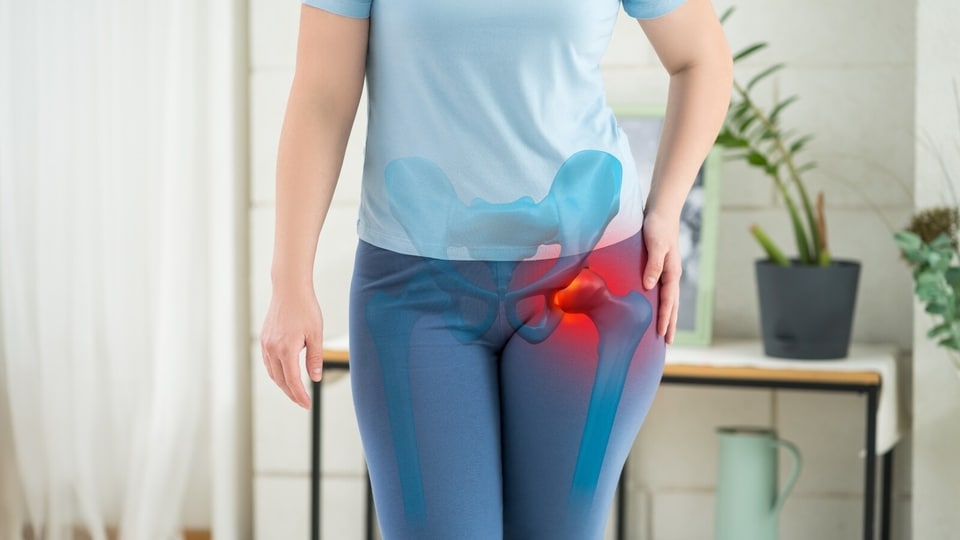
Cold weather can make hip joints feel stiff, tight, and painful, especially in the morning. An orthopaedic expert shares 8 tips to ease winter stiffness.
Ever noticed how getting out of bed feels harder in winter, especially when your hips feel tight or almost locked? Many people experience increased hip stiffness during colder months, and simple movements like standing up after sitting, climbing stairs, or taking the first few steps in the morning, can suddenly feel uncomfortable. Low temperatures, reduced movement, and longer hours spent sitting or sleeping can all take a toll on hip mobility. For those with arthritis, diabetes, or past joint issues, winter can make stiffness even more noticeable. However, an orthopaedic expert says you can help your hips move more freely even in cold weather, if you follow certain basic tips.
Why does hip stiffness worsen during winter?
Cold weather affects joints in several ways. "As temperatures drop, the synovial fluid that lubricates joints becomes thicker and less slippery. This makes movement feel heavier until the joint warms up. Blood vessels also constrict in cold conditions, reducing blood circulation to the hips and surrounding muscles. Less blood flow means less oxygen and nutrients, contributing to stiffness and discomfort," Dr Sameer Aggarwal, Professor, Department of Orthopaedics, PGIMER Chandigarh, tells Health Shots.
Muscles and tendons around the hip naturally tighten to conserve heat, decreasing flexibility and increasing tension across the joint. For people with hip osteoarthritis or inflammatory conditions, cold and damp weather can further irritate joint linings. A study published in Annals of Medicine found that people with osteoarthritis reported increased joint pain and stiffness during colder months.
9 ways to reduce hip stiffness and improve mobility in winter
1. Keep the hips warm
Cold exposure worsens stiffness. Wear layered clothing, thermal innerwear or warm trousers to keep the hip and thigh region insulated. Using a warm shower or heating pad around the hips before morning movement can ease stiffness.
2. Start your day with gentle movement
Before getting out of bed, try slow hip rotations, knee-to-chest movements and gentle stretches, says Dr Aggarwal. Follow this with short indoor walks to gradually wake up the joints before heading outdoors.
3. Do not stay still for too long
Sitting for extended periods tightens the hip flexors and reduces blood circulation. Make it a habit to stand, stretch, or walk for a few minutes every 30–45 minutes to keep joints mobile.
4. Stay active with low-impact exercise
Regular movement keeps joints lubricated. Low-impact activities like walking, cycling, yoga or mobility exercises help maintain joint range of motion. These exercises put no excess strain on the hips. Aim for at least 150 minutes of moderate activity per week support joint health.
5. Eat anti-inflammatory foods
Include omega-3 rich foods like fatty fish, nuts, seeds and leafy greens that helps control inflammation. Dr Aggarwal also suggests limiting processed foods and excess sugar, as they can increase inflammation and worsen joint stiffness.
6. Use turmeric and ginger regularly
Both turmeric and ginger have natural anti-inflammatory properties. Adding them to meals or warm drinks may help ease joint discomfort and muscle tightness over time.
7. Maintain a healthy weight
Winter weight gain adds extra pressure on weight-bearing joints like the hips. Extra body fat also increases inflammation, which can worsen stiffness. Focus on balanced meals and regular movement to reduce joint strain.
8. Stay hydrated and mind vitamin D
"Reduced sunlight can also lower vitamin D levels, which are linked to muscle weakness and joint pain. Fortified foods or supplements may help," advised Dr Aggarwal.
9. Stay well hydrated
Cold weather often reduces thirst, but hydration is essential for joint lubrication. Drink 8–10 glasses of fluids daily. Warm water or herbal teas can be more comfortable than cold drinks.
If hip stiffness is persistent, worsening, or interfering with daily activities, consult a doctor!
(Note to readers: This article is for informational purposes only and not a substitute for professional medical advice. Always seek the advice of your doctor with any questions about a medical condition.)


Catch your daily dose of Fashion, Taylor Swift, Health, Festivals, Travel, Relationship, Recipe and all the other Latest Lifestyle News on Hindustan Times Website and APPs.


