
 E-Paper



World Cancer Day 2026: Oncologist explains how treating cancer can hurt the heart; who is at risk, how doctors can help

 Prefer HTon Google


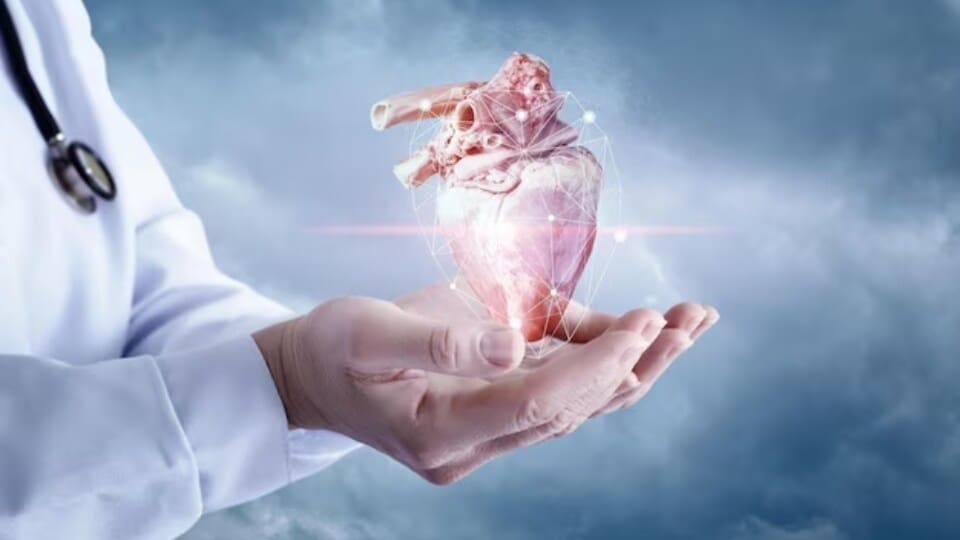
Oncologist warns that cancer treatments can damage heart health, particularly for those with existing cardiovascular risks, suggesting an integrated approach.
As we mark World Cancer Day on February 4 to raise awareness about cancer, promote prevention, and encourage early detection, it is also important to understand how deeply cancer affects our lives.
Cancer treatments have come a long way. More people are surviving cancers that once were almost always fatal. But here’s the thing: many of the therapies that save lives can quietly damage the heart, complicate care, and have long-term health effects.
According to Dr Sachin Sekhar Biswal, consultant – medical oncology, Manipal Hospital, Bhubaneshwar, life-saving therapies such as classic chemotherapy, modern immunotherapies, and radiation target rapidly dividing cells.

Unfortunately, however, that attack isn’t always limited to tumours. According to the oncologist, cardiac muscle cells, blood vessels, and the heart’s electrical system can also be affected.
Cancer's effect on the heart
Stating that often those diagnosed with cancer can go through treatments thinking they’re doing fine, even as invisible changes are happening to heart tissue, Dr Sachin explained, “It starts with subtle signals. A patient’s heart-pumping function might dip slightly. An arrhythmia? Brief, easy to dismiss. A bit of inflammation in a blood vessel. These early changes often don’t trigger alarms at first.”
He further elaborates, “Certain chemotherapy agents generate oxidative stress and disrupt the heart’s cellular machinery, eventually killing cardiac cells or weakening them.”
Moreover, he adds: “Radiation aimed near the chest can cause inflammation, scar tissue and damage to the delicate microvasculature of the heart. Targeted drugs like HER2 inhibitors and some immunotherapies can also trigger direct or immune-mediated injury to the heart muscle and vessels.”
“If those early injuries aren’t picked up and managed, they can evolve into full-blown problems: cardiomyopathy (weak heart muscle), heart failure, coronary artery disease, and persistent rhythm issues,” Dr Sachin warned.

Who is at risk?
According to the oncologist, patients with pre-existing cardiovascular risk factors like high blood pressure, diabetes, smoking history, and advanced age are particularly vulnerable.
“But even people without known heart disease can develop treatment-related cardiotoxicity if the exposure is high enough or cumulative stress overwhelms cardiac reserves,” he cautions.
However, the oncologist notes, the part that matters most is that “we can’t let cardiac damage go unnoticed.” He suggests a few important steps that patients and clinicians alike should keep in mind:
1. Baseline heart assessment before starting therapy: Not just a casual check, but a thorough evaluation including echocardiography and strain imaging when indicated.
2. Routine monitoring during treatment to catch early changes before they become irreversible.
3. A cardiology partner as part of the team, especially for high-risk patients.
4. Early use of cardioprotective medications when signs emerge, and adjustment of cancer therapy if necessary.
“What this really means for patients is simple: managing cancer isn’t just about shrinking tumours. It’s about protecting the whole body, especially the heart. An integrated approach of oncology and cardiology working together gives patients the best shot at both a long life and a healthy life,” the oncologist concluded.
Note to readers: This article is for informational purposes only and not a substitute for professional medical advice. Always seek the advice of your doctor with any questions about a medical condition.


Catch your daily dose of Fashion, Taylor Swift, Health, Festivals, Travel, Relationship, Recipe and all the other Latest Lifestyle News on Hindustan Times Website and APPs.


