
 E-Paper



World COPD Day: Pediatrician explains why children are also at risk of this serious lung condition and signs to check

 Prefer HTon Google


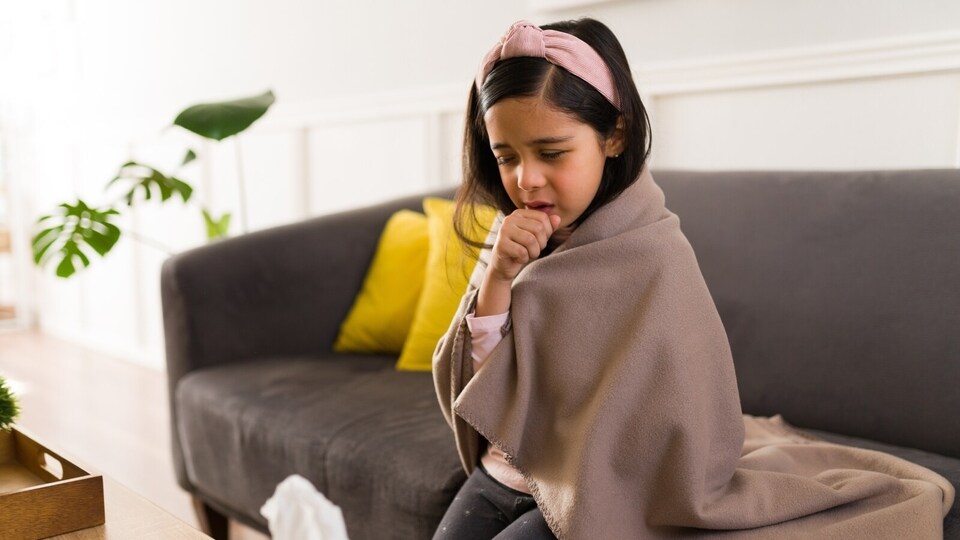
Early exposure to pollution, smoke and infections can put young children at risk of developing COPD. Know expert-recommended tips to manage it.
Chronic obstructive pulmonary disease (COPD) is often thought of as an adult condition, but growing research shows that children, too, can be at risk.With rising pollution levels and poor Air Quality Index (AQI) in many cities, along with exposure to secondhand smoke and frequent early-life respiratory infections, young lungs are facing more challenges than ever. COPD is a progressive condition that restricts airflow and makes breathing difficult over time. According to the World Health Organization (WHO), over 392 million people worldwide live with COPD, and children who show asthma-like symptoms early in life may face a higher risk as they grow older. On World COPD Day, a paediatrician explains what parents need to know about how COPD affects children and tips to manage it.
What is chronic obstructive pulmonary disease (COPD)?
COPD is a long-term lung disease that causes inflammation, narrowing, and gradual damage to the airways, making it difficult to breathe. While adults are most commonly affected, paediatric cases are becoming more visible due to increasing exposure to smoke, toxic fumes, and indoor pollutants. Children’s lungs are still growing, which makes them more vulnerable to irritants that trigger inflammation.
Dr Akshay Mehta, Senior Consultant–Neonatology & Paediatrics at Motherhood Hospitals, tells Health Shots that repeated exposure to polluted air or respiratory infections can prevent a child's lungs from developing to their full capacity.
What causes COPD in children?
Although COPD develops gradually, several overlapping risk factors can trigger early lung damage.
- Passive or active exposure to cigarette smoke
- Indoor air pollution from burning wood, coal, or biomass fuels
- Use of mosquito coils, incense sticks, and poorly ventilated kitchens
- Outdoor pollution and smog exposure
- Frequent respiratory infections during early childhood
- Childhood asthma that continues untreated
- Prematurity or poor lung growth in early life
- Occupational exposures in older children (dust, fumes)
- A rare genetic condition, also known as alpha-1 antitrypsin deficiency, which can cause COPD at a young age
WHO notes that early-life exposures can affect normal lung growth, thereby increasing the risk of COPD later in life. Experts like Dr Mehta warn that early symptoms should never be ignored, and diagnosis is usually confirmed through a spirometry test, although this test is still not easily accessible.
Symptoms of COPD in children to watch for
- Persistent cough with mucus
- Wheezing or noisy breathing
- Shortness of breath, even during mild play
- Frequent chest infections
- Fatigue and low stamina
- Reduced participation in physical activity
These symptoms may appear mild at first but worsen over time if untreated.
How to manage COPD in children?
1. Avoid smoke exposure
Children's lungs are sensitive, so even passive smoke can cause long-term damage. Make your home strictly smoke-free and encourage smokers in the family to smoke outside or, ideally, quit.
2. Improve indoor air quality
Keep windows open while cooking and avoid using wood, coal, or dung for fuel, as they release harmful smoke that children inhale daily.
3. Reduce indoor pollution sources
Limit incense sticks, mosquito coils, strong cleaners, and air fresheners. These release fumes that irritate young lungs.
4. Limit outdoor exposure during poor air days
Let children play outdoors only when air quality levels are safe. On polluted days, plan indoor activities to protect their breathing.
5. Maintain good hygiene
Simple steps like regular handwashing, wearing masks during seasonal infections, and getting timely flu vaccinations can prevent respiratory illnesses that worsen COPD.
6. Use medicines correctly
Inhalers, bronchodilators, or other medicines should be taken exactly as prescribed by the doctor. Avoid home remedies or self-medication, as they may worsen symptoms.
7. Schedule regular checkups
Children with breathing issues need periodic lung function assessments to track improvement and adjust treatment on time. Therefore, regular medical check-ups are essential.
Note to readers: This article is for informational purposes only and not a substitute for professional medical advice. Always seek the advice of your doctor with any questions about a medical condition.


Catch your daily dose of Fashion, Taylor Swift, Health, Festivals, Travel, Relationship, Recipe and all the other Latest Lifestyle News on Hindustan Times Website and APPs.


