
 E-Paper



World Kidney Day 2025: Kidney disease symptoms to look out for and when to get treated

 Prefer HTon Google


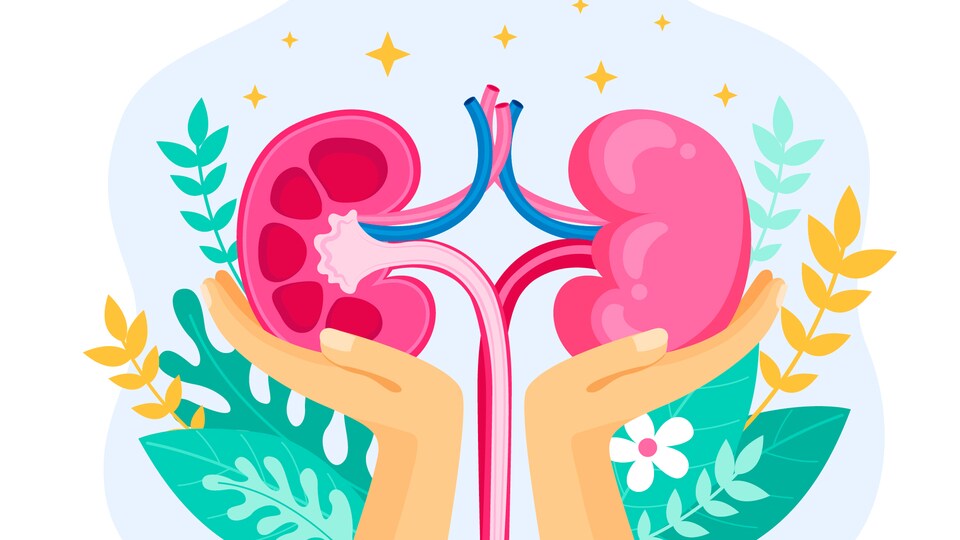
On World Kidney Day 2025, doctors describe kidney disease symptoms and explain how recognising early warning signs can help prevent serious complications.
Kidney disease doesn't typically get as much attention as other health conditions (think cancer or heart disease). Kidney disease often remains silent in its early stages, but doctors warn that certain warning signs should never be ignored – these include persistent fatigue, swelling in the hands and feet, changes in urination patterns, and unexplained shortness of breath, as they can all indicate underlying kidney issues. Also read | Dialysis vs. kidney transplantation; which is better? Doctor’s take
In an interview with HT Lifestyle, Dr Asheesh Malhotra, senior consultant in nephrology at Yatharth Hospital, Noida Extension, said, “Your kidneys play a crucial role in filtering waste, balancing fluids, and maintaining overall health. However, kidney disease often progresses silently, with symptoms appearing only in advanced stages. Recognising early warning signs can help prevent serious complications.”

Early symptoms of kidney disease
Dr Jayant Kumar Hota, senior consultant in nephrology at Indraprastha Apollo Hospitals, told HT Lifestyle, “Symptoms like back pain, nausea, high blood pressure, and itchy skin may also point to declining kidney function. Those at higher risk—including individuals with diabetes, hypertension, a family history of kidney disease, or those over 60 — should be particularly vigilant.”
Early detection and treatment of kidney problems can help prevent complications and improve outcomes. If you're concerned about your kidney health, Dr Asheesh Malhotra listed some early symptoms of kidney issues to look out for:
⦿ Persistent fatigue – Toxin buildup in the blood due to reduced kidney function can cause weakness and tiredness.
⦿ Changes in urination – Increased frequency, foamy urine (a sign of protein leakage), or blood in urine may indicate kidney dysfunction.
⦿ Swelling (edema) – Fluid retention in the ankles, feet, or hands could signal impaired kidney function.
⦿ Persistent itching and dry skin – Imbalance in minerals and waste buildup may lead to skin irritation.
⦿ Loss of appetite and nausea – Accumulation of waste products in the body can affect digestion.
⦿ Muscle cramps – Electrolyte imbalances, particularly low calcium or high phosphorus, may cause muscle discomfort.
⦿ Difficulty sleeping – Toxin accumulation may disrupt sleep patterns.
When to get tested for kidney issues
Dr Jayant Kumar Hota said early intervention makes a significant difference. With regular monitoring and lifestyle adjustments, kidney function can be preserved, delaying or even avoiding complications like kidney failure. He said, “If symptoms arise or risk factors exist, seeking medical evaluation is essential. Proactive care ensures better long-term health, reinforcing the importance of awareness and timely action in safeguarding kidney health. Testing is crucial for early detection.”
He added, “A blood test measuring estimated Glomerular Filtration Rate (eGFR) evaluates kidney function, while a Urine Albumin-Creatinine Ratio (uACR) test detects protein leakage, an early sign of damage. Recognizing these indicators and undergoing timely screening can prevent disease progression.”
According to Dr Asheesh Malhotra, here are some scenarios where you should consider getting tested for kidney issues:
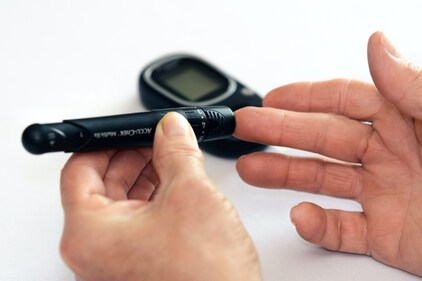
⦿ If you have high blood pressure, diabetes, or a family history of kidney disease.
⦿ If you experience persistent or worsening symptoms listed above.
⦿ Routine blood and urine tests, including creatinine levels, estimated Glomerular Filtration Rate (eGFR), and urine albumin, can help detect kidney dysfunction early.
Early detection of kidney issues can help prevent severe complications, including kidney failure. If you notice any warning signs, consult a healthcare professional promptly for proper evaluation and management.
Note to readers: This article is for informational purposes only and not a substitute for professional medical advice. Always seek the advice of your doctor with any questions about a medical condition.


Catch your daily dose of Fashion, Taylor Swift, Health, Festivals, Travel, Relationship, Recipe and all the other Latest Lifestyle News on Hindustan Times Website and APPs.


