
 E-Paper



Travelling to the US with your dog? Here are the latest rules you should know

 Prefer HTon Google


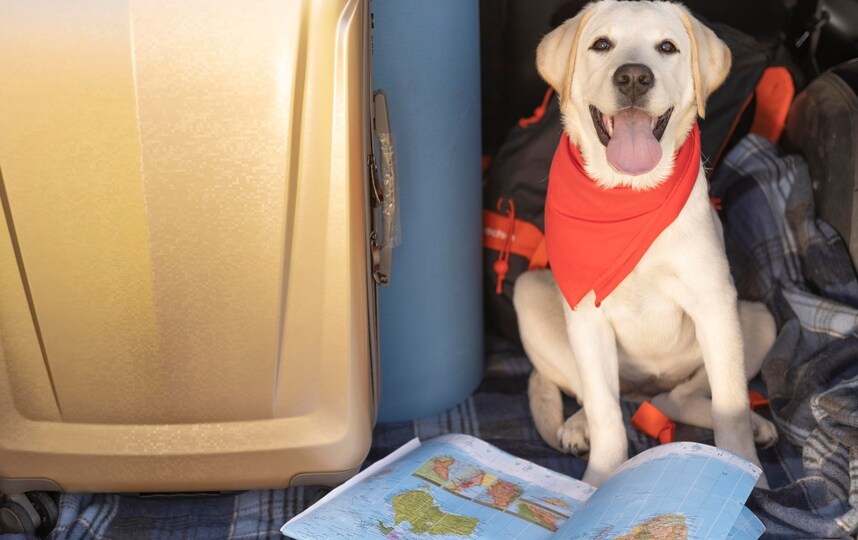
New U.S. regulations require all dogs entering the country to be at least 6 months old, microchipped, and vaccinated against rabies.
All dogs coming into the U.S. from other countries must be at least 6 months old and microchipped to help prevent the spread of rabies, according to new government rules published Wednesday. The new rules require vaccination for dogs that have been in countries where rabies is common. The update applies to dogs brought in by breeders or rescue groups as well as pets traveling with their U.S. owners.
“This new regulation is going to address the current challenges that we’re facing,” said Emily Pieracci, a rabies expert at the Centers for Disease Control and Prevention who was involved in drafting the updated regulations. The CDC posted the new rules in the federal register on Wednesday. They take effect Aug. 1 when a temporary 2021 order expires. That order suspended bringing in dogs from more than 100 countries where rabies is still a problem.
The new rules require all dogs entering the U.S. to be at least 6 months, old enough to be vaccinated if required and for the shots to take effect; have a microchip placed under their skin with a code that can be used to verify rabies vaccination; and have completed a new CDC import form. There may be additional restrictions and requirements based on where the dog was the previous six months, which may include blood testing from CDC-approved labs.
The CDC regulations were last updated in 1956, and a lot has changed, Pieracci said. More people travel internationally with their pets, and more rescue groups and breeders have set up overseas operations to meet the demand for pets, she said. Now, about 1 million dogs enter the U.S. each year.
Dogs were once common carriers of the rabies virus in the U.S. but the type that normally circulates in dogs was eliminated through vaccinations in the 1970s. The virus invades the central nervous system and is usually a fatal disease in animals and humans. It’s most commonly spread through a bite from an infected animal. There is no cure for it once symptoms begin.
Four rabid dogs have been identified entering the U.S. since 2015, and officials worried more might get through. CDC officials also were seeing an increase of incomplete or fraudulent rabies vaccination certificates and more puppies denied entry because they weren't old enough to be fully vaccinated. A draft version of the updated regulations last year drew a range of public comments.
Angela Passman, owner of a Dallas company that helps people move their pets internationally, supports the new rules. It can especially tricky for families that buy or adopt a dog while overseas and then try to bring it to the U.S., she said. The update means little change from how things have been handled in recent years, she said. “It’s more work for the pet owner, but the end result is a good thing,” said Passman, who is a board member for the International Pet and Animal Transportation Association.
But Jennifer Skiff said some of the changes are unwarranted and too costly. She works for Animal Wellness Action, a Washington group focused on preventing animal cruelty that helps organizations import animals. She said those groups work with diplomats and military personnel who have had trouble meeting requirements, and was a reason some owners were forced to leave their dogs behind.


