
 E-Paper



Vet shares what should be immediate first aid steps for injured stray animal

 Prefer HTon Google


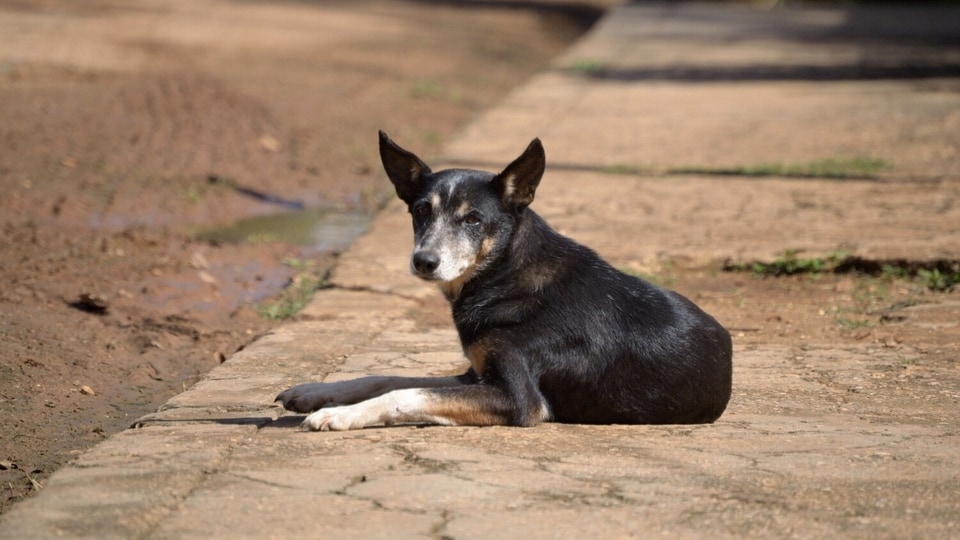
If you come across any animal, bleeding or limping with fracture, know how you can approach them and what to do to help them.
Stray animals are more likely to get injured. They get caught up in car accidents, harsh weather, malnourishment, and vicious dog fights. The common assumption behind overlooking these injured animals on the road is that they've developed immunity and can endure any tough condition. But, in reality, that is not the case. Severe injuries require medical help. Situations like this call for immediate humane action.
ALSO READ: Vet shares ways to keep your pets active at home when severe pollution levels force them indoors
The next time you see any injured animal on the street, do not walk or drive away. A few simple measures would help prevent the loss of an animal's life!
We asked a veterinary expert what the first steps should be if you encounter an injured pet. Dr Ameen Ghouri, BVSc. & AH, Veterinary product specialist at Drools Pet Food Pvt. Ltd revealed some tips that can be life-saving.
When you come across any animal, dog or cat, Dr Ghouri revealed you need to focus on two essentials: Ensure safety and then minimise further injury.
Now that you have gotten the injured animal in a safe space, the sequence of first actions follows, with the first being approaching the dog with caution. The vet revealed how to approach the injured animal: “An injured animal may be frightened, stressed or defensive, even if it is usually friendly. Approach slowly, avoid sudden movements and maintain a safe distance. Do not force contact or attempt to handle an animal that appears aggressive or severely injured. If possible, seek assistance from a local animal rescue organisation.”
The next step is to move the animal to safety. This means that if you see a dog in the middle of the road, limping or bleeding, act quickly to move it to the side, away from the traffic.
Distinguishing how to move dogs and cats to safety, the vet said, “For cats, gently place a towel or blanket over the body to minimise stress before carefully lifting them into a ventilated carrier or sturdy box. For dogs, a towel or blanket may help calm them. A properly fitted muzzle should only be considered if the dog is breathing normally and is not vomiting or injured around the face. Never muzzle a cat. If a spinal injury is suspected, minimise movement and use a firm, flat surface for support during transportation.”

What should be the immediate first aid?
Here's the vet-recommended advice for each type of accident:
- Bleeding: Apply firm, continuous pressure using a clean cloth or gauze for 5–10 minutes without lifting it to check. Do not use tourniquets.
- Wounds: Gently rinse with clean water or saline and cover loosely with clean gauze. Avoid home remedies, powders and creams.
- Fractures: Do not attempt to straighten or splint broken bones. Keep the animal as still as possible and seek veterinary attention.
- Road Accidents: Treat every road accident as an emergency, even if the animal appears fine, as internal injuries may not be immediately visible.
The other suggestions include avoiding administering human painkillers such as paracetamol or ibuprofen, as they can be toxic to animals. Similarly, avoid force-feeding food before any veterinary assessment. Dr Ghouri added, “Sedation or emergency surgery may be required, so avoid giving food without a vet check-up. Consult the vet before offering water.”
And lastly, keep the animal comfortable. The expert recommended a ‘low-stimulation environment.’
Following the first aid steps and securing the animal, the next step should be to get the injured animal to a vet. “Call the veterinary clinic ahead so the team can prepare for the animal's arrival. Transport the animal carefully, keeping the carrier secure and minimising unnecessary movement. Inform the vet where and when you found the animal and describe any injuries or symptoms you observed.” Dr Ghouri revealed the procedure of transporting the animal to the vet.
What to do if you are bitten and scratched?
The animal may be in a lot of pain, and seeing a human approaching, even to help, may make them lash out. You end up getting bitten or scratched. The vet shared the immediate steps for this situation, “If you are bitten or scratched, immediately wash the wound thoroughly with soap and running water for at least 15 minutes. Avoid applying spirit or alcohol-based sanitizers directly to the wound. Seek medical attention promptly for assessment of rabies post-exposure prophylaxis (PEP) and tetanus protection, if indicated.”
After the animal receives treatment, only after the vet's confirmation, return to its environment. If possible, try fostering or seek support from a local resuce organisation.
Lastly, the vet reminded if you see any animal in any accident, and is not bleeding, do not misinterpret them to be okay, as even injuries that appear minor can conceal internal trauma, fractures or infections. Difficulty breathing, heavy bleeding, unconsciousness, seizures or suspected road-traffic injuries require urgent veterinary attention.
Note to readers: This article is for informational purposes only and not a substitute for professional medical advice. Always seek the advice of your doctor with any questions about a medical condition.


