
 E-Paper



Make This Soft Mango Sandesh, A Bengali Dessert Made Soft Chenna For A Delicious And Flavourful Summer Treat

 Prefer HTon Google


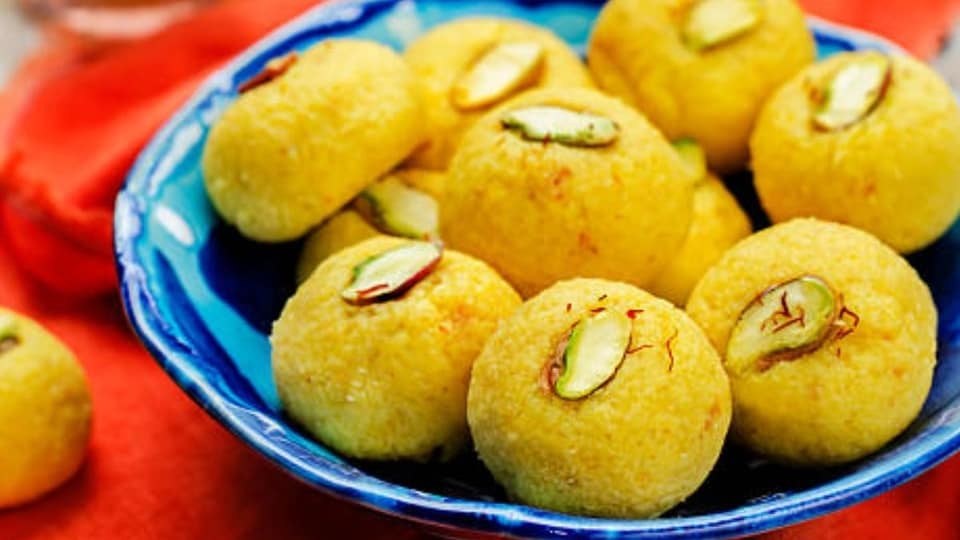
Mango Sandesh combines fresh chhena and ripe mango pulp to create a soft Bengali dessert with protein, calcium, and seasonal fruit flavour.
Soft chhena, ripe mangoes, and delicate aromas come together in Mango Sandesh, one of the most loved seasonal Bengali desserts. Prepared using fresh paneer-like chhena blended with mango pulp, this sweet transforms simple ingredients into an elegant homemade dessert. Originating from Bengal's rich sweet-making heritage, Sandesh has been enjoyed for generations, with mango becoming a popular seasonal addition during summer. The bright golden colour, smooth texture, and fresh fruit flavour make mango sandesh a standout among mango recipes and chhena sweets.
Fresh chhena provides protein and calcium">protein and calcium that support bone health and daily nutrition. Ripe mango pulp contributes Vitamin A, Vitamin C, and antioxidants">Vitamin A, Vitamin C, and antioxidants that support eye health, skin wellness, and immunity. Compared to many heavier sweets made with large amounts of ghee or deep-frying methods, mango sandesh offers a lighter dessert option with a soft texture and fruit-forward flavour. Cardamom and saffron add aroma while contributing antioxidant compounds that complement the nutritional profile of the dessert.
The dessert is made by kneading fresh chhena until smooth and combining it with mango pulp, cardamom, and a sweetener. Some versions include saffron, pistachios, or almonds for added flavour and texture. Mangoes bring natural sweetness, vibrant colour, and seasonal appeal, while the dairy base creates a creamy mouthfeel. The result is a Bengali dessert that balances fruity notes with rich dairy flavours without becoming overly heavy.
Mango Sandesh differs from deep-fried sweets because it relies on fresh chhena rather than frying or soaking in sugar syrup. Deep-fried sweets often have a crisp exterior and richer texture, while sandesh remains soft, delicate, and lightly sweetened. Its smooth consistency, fresh mango flavour, and lower reliance on frying make it especially appealing during summer months. The vibrant yellow-orange colour and melt-in-the-mouth texture further distinguish it from many other Indian sweets.
Difference Between Mango Sandesh and Deep-Fried Indian Sweets
Feature | Mango Sandesh | Deep-Fried Indian Sweets |
|---|---|---|
Main Ingredient | Fresh chhena and mango pulp | Flour, khoya, or batter |
Cooking Method | Light cooking and shaping | Deep frying |
Texture | Soft and smooth | Crisp or dense |
Sweetness Level | Mild to moderate | Usually higher |
Fruit Content | Fresh mango pulp | Rarely included |
Fat Content | Lower | Higher |
Summer Suitability | Highly suitable | Moderate |
Colour | Natural mango yellow | Golden brown |
Main Highlight | Fresh fruit flavour | Rich fried texture |
Serving Style | Chilled or room temperature | Usually served fresh |
Quick Dessert Snapshot
Prep Time: 20 minutes
Cook Time: 10 minutes
Servings: 10–12 pieces
Calories: 95 calories per piece
Flavour Profile: Fruity, creamy, and mildly sweet
Nutrition: Protein and calcium-rich
Difficulty: Easy to Moderate
Soft Mango Sandesh with Fresh Chhena
This Bengali dessert combines fresh chhena and mango pulp to create soft sweets with a naturally vibrant colour and delicate flavour.
Ingredients
- 500 ml full-fat milk
- 2 tablespoons lemon juice
- 1/2 cup mango pulp
- 2 tablespoons powdered jaggery
- 1/4 teaspoon cardamom powder
- Few saffron strands (optional)
- Chopped pistachios for garnish
Step-by-Step Instructions
- Boil the milk and add lemon juice gradually until it curdles.
- Strain the chhena using a muslin cloth and rinse lightly.
- Remove excess water and let it rest for 20–30 minutes.
- Knead the chhena until smooth and soft.
- Add mango pulp, sweetener, and cardamom powder.
- Cook the mixture on low heat for 3–4 minutes while stirring continuously.
- Allow it to cool slightly.
- Shape into small discs or moulds.
- Garnish with pistachios and saffron.
- Refrigerate for 30 minutes before serving.
Expert Tips for Perfect Mango Sandesh
- Freshly prepared chhena creates a softer texture and smoother finish.
- Excess cooking can make the sandesh dry and crumbly instead of soft.
- Alphonso, Kesar, and Banganapalli mangoes provide excellent flavour and colour.
- Well-drained chhena helps the dessert hold its shape without becoming watery.
- Proper kneading creates the signature melt-in-the-mouth texture.
- Add mango pulp after straining the chhena, this helps maintain a balanced consistency and prevents excess moisture.
Nutritional Value of Mango Sandesh
Mango Sandesh">Mango Sandesh combines dairy and fruit ingredients to create a dessert that provides protein, calcium, and vitamins.
Nutrient | Amount Per Piece |
|---|---|
Energy | 95 calories |
Protein | 4 g |
Carbohydrates | 10 g |
Fat | 4 g |
Calcium | Moderate |
Vitamin A | Moderate |
Vitamin C | Moderate |
FAQs
Which mangoes work best for Mango Sandesh?
Alphonso, Kesar, and Banganapalli mangoes work especially well because of their sweetness, colour, and smooth pulp.
Why is chhena important for Sandesh?
Chhena provides the soft texture and creamy base that define authentic Sandesh.
Can canned mango pulp be used?
Yes, but fresh mango pulp generally provides better flavour and aroma.

Catch your daily dose of Fashion, Taylor Swift, Health, Festivals, Travel, Relationship, Recipe and all the other Latest Lifestyle News on Hindustan Times Website and APPs.


