
 E-Paper



3 essential behaviours parents can adopt to strengthen their children’s mental health

 Prefer HTon Google


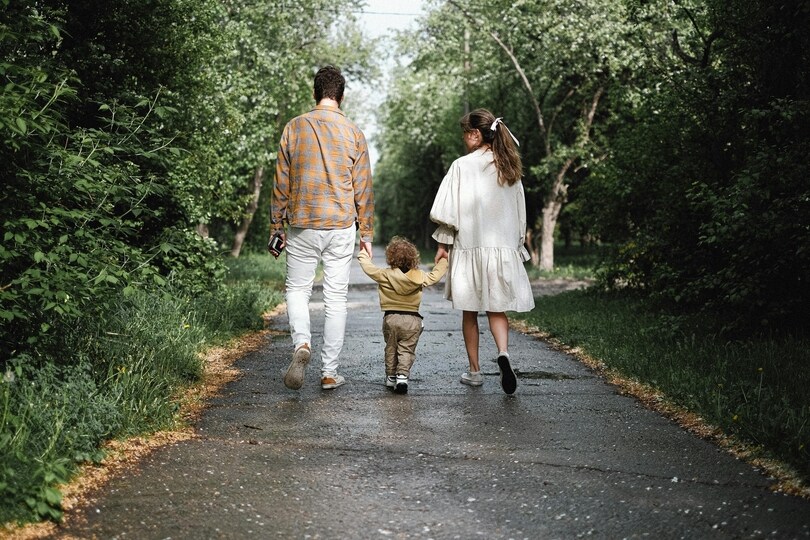
Parents significantly influence their child's mental health, shaping behaviour and perceptions. Experts highlight key behaviours to foster emotional well-being.
Childhood is the basic tenet of a child’s mental health, sometimes even well into adulthood. And since parents are the key figures in a child’s life, they should embrace healthy behaviours to support and develop their child’s mental health. The relationship between the child and parent is pure, a safe space for the child to emotionally and mentally grow. But sometimes, parents instead of being a safe space, feel suffocating to their child by imposing their own expectations and unfulfilled ambitions. Swiss psychiatrist, Carl Jung said, “The greatest burden a child must bear is the unlived life of the parents.”
This intrusive parental behaviour can substantially hinder the child’s development and may reflect in their adulthood as well. The casual jibes and prodding may seem innocent, intended for ‘the child’s best’ or to make them ‘strong’ since life’s not a bed of roses. But it can instil low self-image and self-esteem in the child; ultimately affecting them in adulthood in some way or the other. So it becomes pivotal for parents to show healthy behaviour towards their children.
In an interview with HT, Vishakha Lanjewar, Clinical Psychologist at Lissun elaborated on the importance of fostering positive mental health with the help of their parents’ positive behaviours. She gave simple tips to increase the bonding between parents and child, fostering healthy mental health.
ALSO READ: 10 year-olds at risk of depression and anxiety: Study reveals dangerous trend for 'iPad kids'
Constructive attention to the child

Sometimes, all a child needs is to be listened to, but this is often dismissed with the notion, ‘What does the child have to say anyway?’ This dismissal is due to the belief that everything falls on the spectrum of either endearment or a blown-out tantrum. But hearing out the child helps them feel valued and understood. It’s the first step towards developing a positive parent-child relationship, to just listen. A child is more likely to open up to their parents who listen to them more.
Vishakha Lanjewar elaborated, “Giving constructive attention to the child while talking, playing with them gives an idea to the parent what the child exactly needs rather than assuming. Their behaviour, mode, and pattern of interactions give a better idea of it. Spending time with them while playing, watching their favourite cartoon and engaging them with an activity helps in building a positive relationship and empathy.”
ALSO READ: Childhood anxiety: Common causes, coping strategies for parents and children
Appreciate and reward them

Children need to be encouraged and motivated. It builds their self-worth and they feel supported in their endeavours. Vishakha Lanjewar explained, “Including regular positive encouragement motivates them to learn, building curiosity. While considering alternative scenarios of maladaptive behaviour, you can engage them in conversations about right and wrong, which aids them in decision-making as well. Rewards are building blocks for positive behaviour."
Embrace holistic approach

To nurture a child’s mental health, an overall, holistic approach needs to be adopted. It should tap into the child’s physical and mental wellbeing to produce a comprehensive wellness result. Parents need to encourage physical exercise, set realistic goals, and solve problems together.
Vishakha Lanjewar explained, "There is a positive correlation between physical health and mental health which can be achieved by a balanced diet, enough sunlight exposure and regular physical activities. Parents should also avoid comparing their children since it causes feelings of failure and can reduce a child’s morale and self-esteem, diminishing motivation. Instead, they should applaud their child’s accomplishments and help them realize their goals gradually.”
ALSO READ: 5 hidden signs your child's mental health is declining and immediate steps to take


