
 E-Paper



How does emotional avoidance looks like? Therapist answers

 Prefer HTon Google


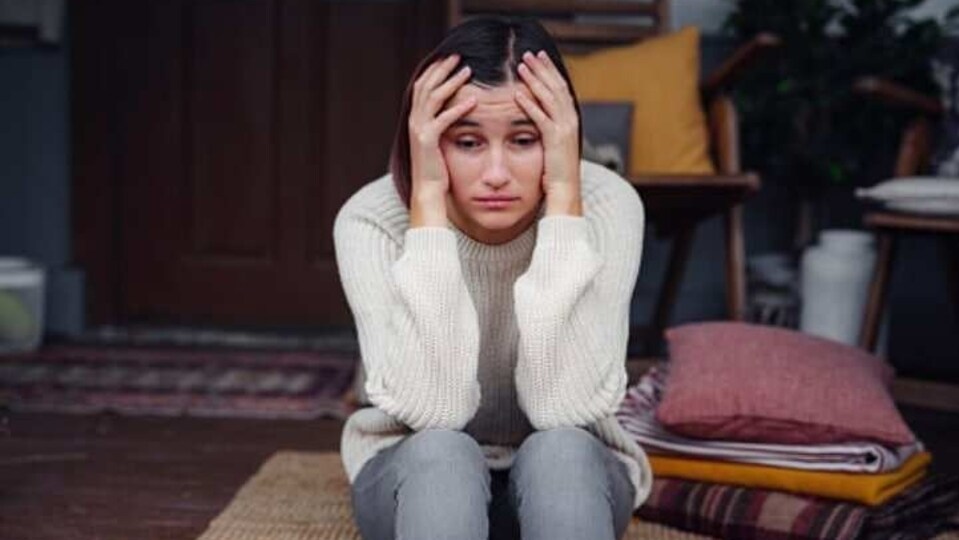
From pretending to be fine to cutting off people, here are few ways how emotional avoidance works. Know from the expert here.
Some of us have been brought up in dysfunctional homes where we have been taught to suppress the way we feel. When our emotions are not acknowledged and addressed for a long time, we learn to hide them and make up a tough exterior. This further causes damage to our emotional health as we learn to sweep the tough decisions under the rug and leave them there. Vulnerability is a risky thing, and mainly for the ones who have been taught to never show their vulnerable side. This causes emotional avoidance later in life when we are not able to express ourselves or address the emotions faced by us. Addressing this, Psychotherapist Emily H Sanders wrote, “It’s important to understand that many of these behaviors developed as a form of self-protection (often developed when we were young to adapt to our family of origin but can also develop later in life for various reasons).”
ALSO READ: Common reasons you may feel relief after a death: Therapist explains
She further noted down a few instances of emotional avoidance:
Cutting off people: When we get hurt by people, we immediately cut them off before attempting a repair to not show our vulnerable side. This causes us to lose important people and mostly the ones who genuinely care for us.
Pretending: We often pretend to be fine when we are not. Maintaining a tough exterior when we need help shows how much we avoid addressing our own emotions.
Sarcasm, humour: We often use humour or sarcasm to make way through a difficult conversation where we need to address our own emotions. We also cover our vulnerabilities through sarcasm and sense of humour to deviate the conversation.
Lying: We also lie to people and to ourselves about the way we feel and the emotions that we are experiencing.
Focus of conversations: We feel more comfortable when the focus of the conversation is on others and not on us.
“Vulnerability is a risk, after all. Some of us have grown up being shamed, dismissed, or having our sensitivities used against us. We have a biological imperative to keep ourselves safe- of course in these circumstances vulnerability is going out the window,” Emily added.


