
 E-Paper



How social media and smartphones are quietly fueling a loneliness epidemic among young adults? Psychologist explains

 Prefer HTon Google


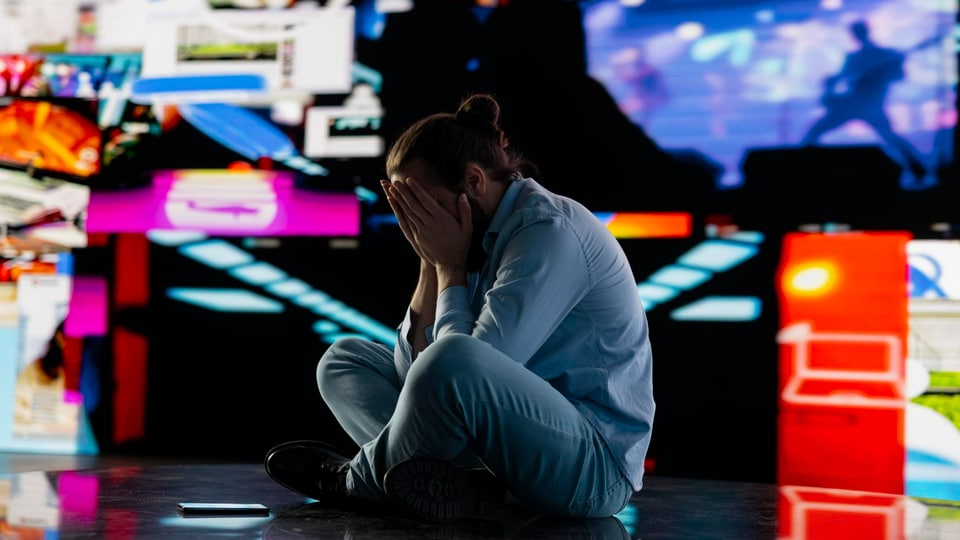
Psychologist reveals why young people feel lonely despite constant social media connection and how real, meaningful bonds are slipping away in a digital world.
In an age where social media, messaging apps, and video calls make it possible to stay connected 24/7, it may seem surprising that so many young people report feeling isolated and emotionally distant. More than one in three young adults aged 18 to 25 reported problematic levels of loneliness, according to a new report from Swinburne University and VicHealth. (Also read: Meme-fueled romance: How funny bios, sarcasm and ironic confessions have taken over modern dating scene in 2025)
Why do so many feel 'alone together' despite constant connection
“Smartphones are part of daily life for most young adults, but their early and constant use is quietly changing how we grow, relate, and feel. At the centre of it is the brain's reward system, especially dopamine, which fuels motivation and pleasure,” says Dr. Simran Agrawal, Clinical Psychologist.
She further shared with HT Lifestyle, “Every like, message, or notification gives a small hit, training our brains to chase quick rewards and avoid anything uncomfortable. The more this happens, the harder it becomes to find satisfaction in things that take time, like real conversation, creativity, or goals that don't come with instant feedback.”
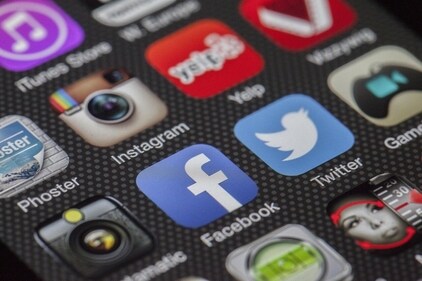
“Over time, we become conditioned to avoid silence, ambiguity, or effort, all of which are essential for deep relationships and emotional intimacy. We start craving the rush, and the slow, messy parts of life feel harder to tolerate. Phones aren't the enemy. But without boundaries, they can start to shape how we see ourselves and others in ways we don't even notice. Social media also raises the stakes of everyday interaction,” says Dr Simran.
Fear of judgment and comparison culture
Dr. Agrawal explains that a small mistake with friends used to be just that small. "Now, one awkward moment or joke can be shared widely in seconds. Instead of learning through trial and error, many young people grow up scared of being judged or exposed," she says.
"At the same time, we're constantly comparing ourselves to filtered, curated versions of other people's lives. It's exhausting, and it chips away at self-esteem. More and more, people say they feel alone, anxious, or just emotionally overwhelmed, even when they're surrounded by online interaction," she adds.

In a way, modern loneliness hides behind constant interaction. "You can have hundreds of followers, be in group chats all day, and still feel like there's no one to call when you're sick or hurting. It's not always about being physically alone, it's about feeling unseen. We're often 'alone together', plugged in, yet disconnected in a deeper sense," says Agrawal.
She points out that social media can condition us to tie our self-worth to likes, comments, and visibility. "Slowly, we start turning our lives into content, thinking more about how an experience will look online than how it actually feels."
How to create real connection in digital age
Real connection, she says, asks more of us. "It means taking emotional risks being open to rejection, misunderstanding, or disappointment. But online, it's easy to stay polished and in control. We show just enough, edit the awkward out, keep things surface-level. It feels safer that way. But the downside is that we miss out on the kind of messy, honest, imperfect closeness that actually fills the void."
So, how do we begin to shift this dynamic? "To begin pushing back against this quiet disconnection, we don't need to abandon technology, we just need to be more intentional with how we use it," she advises. "That might mean setting aside phones during meals, reaching out with a voice note instead of a meme, or carving out time for one unfiltered, present conversation a week."
Dr. Agrawal concludes, "Maybe what we need most isn't more connection, but more realness in the ones we already have."


Catch your daily dose of Fashion, Taylor Swift, Health, Festivals, Travel, Relationship, Recipe and all the other Latest Lifestyle News on Hindustan Times Website and APPs.


