
 E-Paper



‘Space technology to help improve living, environmental conditions in Ganga basin’
International scientists, researchers from the Indian Institute of Technology Kanpur (IITK) and the University of Leicester are using space sensors to monitor the

 Prefer HTon Google


International scientists, researchers from the Indian Institute of Technology Kanpur (IITK) and the University of Leicester are using space sensors to monitor the health of the land around the Ganga.
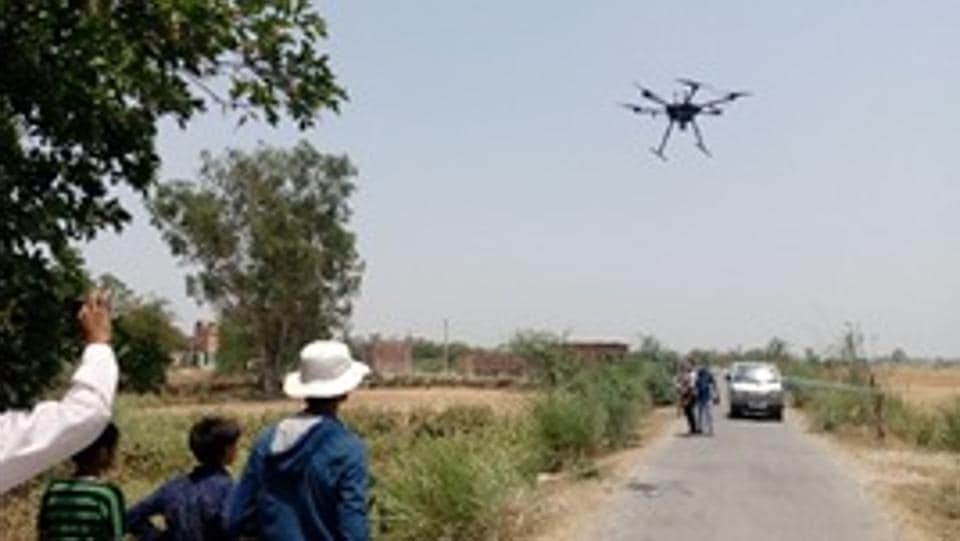
Under the project, Indian and British scientists are using sensors on space-borne and unmanned aerial vehicle (UAV) platforms to map an area - a new Critical Zone Observatory (CZO) - on the banks of the Ganga basin, said IIT-K professor Rajiv Sinha, who set up the CZO.
“The CZO encompasses agriculturally-rich land. However, climate unpredictability combined with ground-water depletion and high levels of poverty are directly threatening the livelihoods of farming communities living within the Ganga basin,” he said.
Elaborating, he said the community interaction formed a major component of this project and the feedback from local farmers, along with scientific data analysis, had been used to create a database of crop patterns, irrigation infrastructure, soil type, and groundwater recharge to understand the reasons for crop water stress and to suggest the remedial measures.
Later, the database and the feedback collected will be shared with the local community, as well as with the district authorities.
The project is funded by UK Research and Innovation (UKRI) Science and Technology Facilities Council (STFC) through the UK’s Global Challenges Research Fund, said IIT-K spokesperson Girish Pant.
The CZO was set up by Professor Rajiv Sinha and colleagues from the Indian Institute of Technology Kanpur (IIT-K) as part of an international effort to determine how land and atmosphere interactions within the CZO ecosystem were impacted by human-induced and environmental disturbances.
The Leicester team has also been working with the Indian co-investigator Sachidanand Tripathi at IIT-K to install high quality radiometers at the CZO which will provide the first opportunity to assess the quality of Sea and Land Surface Temperature Radiometer (SLSTR) measurements in the Indo-Gangetic Plain (IGP).


