
 E-Paper



Coronavirus: In India, women may have higher Covid-19 death risk than males

 Prefer HTon Google


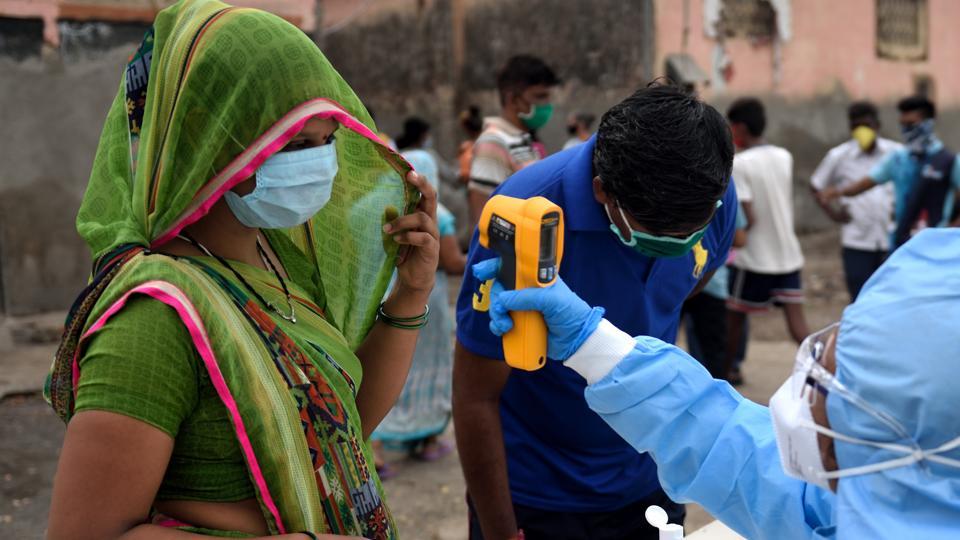
While studies have shown that men are more prone to dying from COVID-19 than women globally, an analysis of case fatalities in India suggests that females may have a higher relative-risk of COVID-19 mortality in the country.
While studies have shown that men are more prone to dying from COVID-19 than women globally, an analysis of case fatalities in India suggests that females may have a higher relative-risk of COVID-19 mortality in the country. Scientists, including Abhishek Kumar from the Institute of Economic Growth in New Delhi, used crowdsourced data to provide early estimates for age-sex specific COVID-19 case fatality rate (CFR) for India.
The study, published in the Journal of Global Health Science, presented an age and sex specific view of mortality from the disease using the measure of CFR, which is the ratio of confirmed deaths in total confirmed cases. In the research, the scientists evaluated adjusted-CFR to capture the potential mortality among the currently active infections.
According to the study, the CFR among males is 2.9 per cent, while that for females it is 3.3 per cent in India.
The researchers said as of May 20, 2020, males shared a higher burden (66 per cent) of COVID-19 infections than females (34 per cent) but the infection is more or less evenly distributed in under-five as well as elderly age groups.
Males are at a greater disadvantage than females, they said, adding that it is unclear whether males experience a higher risk of mortality throughout the age-spectrum, or if there are sex-related differences in survival risk. “While males have a higher overall burden (66 per cent) of COVID-19 infections than females, the infection is evenly distributed in the under-five age group and, to some extent, even among the elderly age groups (particularly 70+ years),” the scientists wrote in the study. The World Health Organization (WHO) world standard population structure standardized CFR for India is 3.34 per cent while the adjusted-CFR is estimated to be 4.8 per cent, the study noted.
While early evidence indicated that males have higher overall burden across the world, females have a higher relative-risk of COVID-19 mortality in India, the researchers said. According to the scientists, elderly males and females both display high mortality risk and require special care when infected.
Citing the limitations of the study, the researchers said the analysis is based on crowdsourced data with “considerable gaps in reporting of age-sex specific information of all the COVID-19 infections and deaths.” The scientists said the number of confirmed cases in India depends upon the testing facility and capture of the data on age-sex specificities of COVID-19 cases, which they added “has been inadequate.” Based on the results, the researchers emphasised the need for data collection and sharing of age-sex specific COVID-19 cases and mortality data to develop robust estimates of COVID-19 case fatality to support policy decisions.
(This story has been published from a wire agency feed without modifications to the text. Only the headline has been changed.)


