
 E-Paper



Green, black or white: Which is the right shade of tea for you?

 Prefer HTon Google


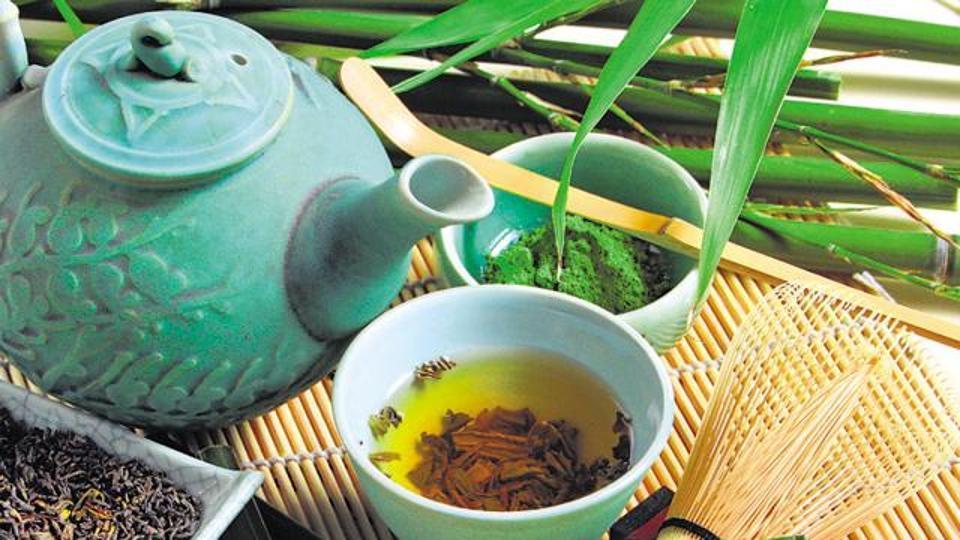
While white tea is antibacterial, green tea is rich in antioxidants and black tea helps to reduce the risk of heart disease. Our handy guide gives you the details.
Waking up on a chilly morning to enjoy a hot cup of tea is therapeutic. Depending on the oxidation level, tea can be classified into five types. Moreover, the less oxidised a tea is, the gentler and lighter it will be in taste and aroma. The latest research also says tea can protect you from glaucoma. For those who love their morning cuppa, here is a peek into the various shades of tea and its many benefits:
1. White tea
White tea is the least processed version of tea and offers delicate flavours and aroma. It is rich in antibacterial properties and is instrumental in lowering cholesterol and blood pressure. Due to its low caffeine content, it is also the perfect choice for people wanting to cut down on their caffeine intake. Moreover, due to a high phenol content, it strengthens elastin and collagen, which helps in preventing wrinkles and aids acne treatment.
Weight loss tip: For people wanting to lose weight, a concoction of 1 teaspoon of white leaves, ½ teaspoon ginger powder, and a few drops of lemon juice taken regularly for 15 days will show promising results.
Recommended dosage: 3-4 cups daily
2. Green tea
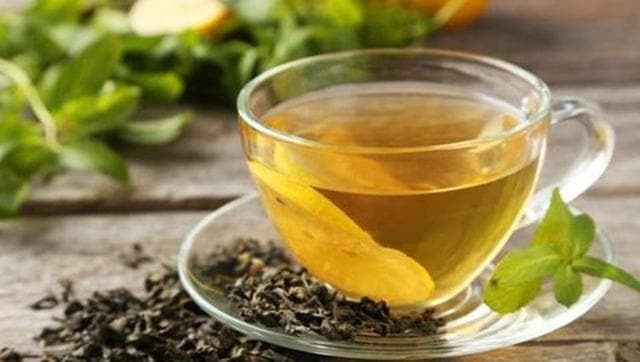
Green tea is high in antioxidants, and promotes healthy cell growth. It also helps to reduce cholesterol. However, to get maximum benefits, avoid adding milk, sugar, cream or honey to it. It is best to brew a spoonful of fresh tea leaves in boiling water and steep for 2-3 minutes before one drinks it.
Beauty benefits: When mixed with sugar, green tea can be used as a face scrub. It is also an excellent toner, which helps to open clogged pores. Green tea reduces puffiness around the eyes and can be used as a hair rinse for healthy hair.
Recommended dosage: 2- 3 cups daily
3. Black tea
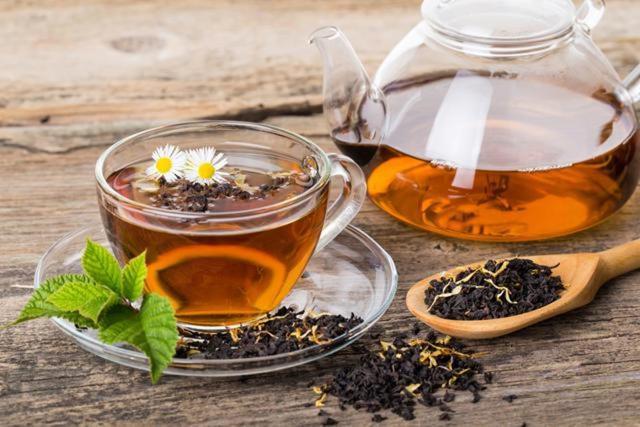
Black tea is known for its anti-inflammatory properties, and helps to reduce risk of heart disease. It also lowers sugar levels in the body.
Beauty benefits: Ideal for people with oily skin, black tea helps to tighten pores, freshens up skin and gives one a radiant glow. A secret recipe for a naturally toned and cellulite-free body is to bathe with black tea twice a week.
4. Rooibos/Herbal tea
Rooibos or herbal tea is free from caffeine and low in tannin content. It also has cancer fighting properties and is beneficial against skin allergies.
Beauty benefits: To use it as a natural mild cleanser, cool and apply the brewed tea on the skin. Dry for 10 minutes and rinse off. It reduces acne, scars, pimples, swelling and redness.
5. Oolong tea
Oolong tea is rich in antioxidants. It is also a good source of calcium, manganese, potassium, copper and selenium. The tea is also instrumental in weight management and controlling tooth decay.
Beauty benefits: Oolong tea keeps your skin healthy and clearer. For those suffering from eczema, or if you want younger looking skin, 2-3 cups of Oolong tea is highly recommended. It diminishes dark spots, age spots and wrinkles. It is also an effective sunscreen and toner.
Follow @htlifeandstyle for more


