
 E-Paper



A tiny Shining Mumbai, a vast Struggling Mumbai
If you are among the 28 billionaires in Mumbai, you would have an uber-bourgeoisie sweep of the city from your penthouse in the sky in one of city’s taller-than-tall


If you are among the 28 billionaires in Mumbai, you would have an uber-bourgeoisie sweep of the city from your penthouse in the sky in one of city’s taller-than-tall luxury residential towers. From the quiet, gilded elegance of that height, Mumbai must look a super-busy neon-lit international metro on the move, rich enough to be labelled the world’s 12th wealthiest city, as the New World Wealth report did this week. This Shining Mumbai, though, is only a part of the urban narrative.
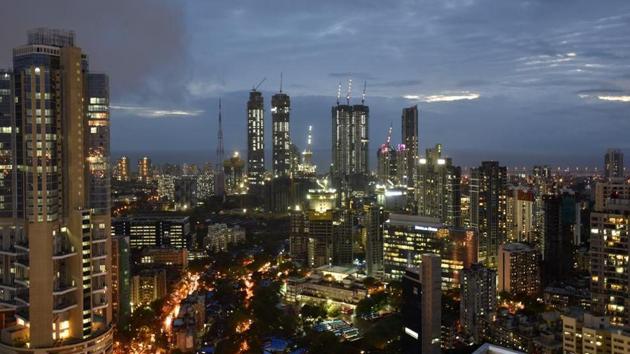
Mumbai’s total wealth added up to a staggering $950 billion or approximately Rs62 lakh crore; each billionaire had an average of Rs6,500 crore worth of net assets, according to the report. Mumbai is in the top ten cities in terms of billionaires and poised to leap ahead. It is ahead of Toronto, Frankfurt and Paris in total wealth but well behind New York ($3 trillion) and London ($2.7 trillion), two cities at the top of the heap.
This report, like other annual lists of wealth and billionaires, puts a glow on Mumbai. But 28 is a minuscule number in a city of 12.5 million citizens, per the last census (or 18 million, according to estimates). In addition to the 28, there are 46,000 millionaires. The majority of Mumbaiites, however, would not make it to either list.
To be periodically reminded about the city’s total wealth and its standing in the comity of international cities with breathless excitement, as a section of the media does, is quite futile. Mumbai’s wealth has little meaning unless it is read with at least two indices: Livability and inequality.
The Mercer Quality of Living Index 2017, which ranks cities in terms of how it is to live and work in them, placed Mumbai at a poor 154 among major international cities. That Delhi was ranked a poorer 161 would have warmed some amchi Mumbai hearts. Hyderabad secured the highest rank for an Indian city, a low 144. Pune and Bengaluru followed at consecutive ranks.
But we don’t need Mercer to tell us how deplorable the quality of living is; it is our daily lived experience. Civic systems are broken, public transport infrastructure is embarrassingly inadequate, housing – that most significant social indicator – is among the poorest in the world with nearly half of Mumbaiites living in squalid slums, education and healthcare show wide chasms between private and public sectors.
All the planning – or what goes in the name of urban planning – seems not to make a difference to the city. Mumbai’s geography and society iscaught between clueless policy makers and vested interests such as the real estate lobby, gentrifying the city and lowering quality of life – unless you are a billionaire or a millionaire.
It is the stark, continuing and disturbing level of inequality in Mumbai that takes the patina off its wealth numbers. Inequality isn’t merely the gap between highest and lowest incomes; it encompasses everything from opportunity to possible socio-economic mobility. Beyond income inequality, there are spatial and service inequalities that deeply affect lives of millions of Mumbaiites.
Certain areas of the city are much worse off than others in every respect. From average wage per day to toilets seats per head, from schools and colleges to inter-city connectivity, they rank with the poorest districts of India. The indices for M-East ward are shockingly low on every parameter, be it education, income, maternal mortality, or sex ratio. This is where Mumbaiites have died when the floor of the public toilet they were using simply collapsed. A far cry from the 30th or 50th floor of a luxury highrise.
When placed next to the wealth report, these indices show two diverse Mumbais. “The contrasts in living standards (here) are of a magnitude not seen anywhere else in the country… Two distinct cities exist within one,” observed the Human Development Report (HDR) for the city in 2009. The wide disparities on social and health parameters like literacy, sex ratio, morbidity rate, family space, and mental stress between families at two ends of the economic spectrum must have grown deeper. It’s telling that Mumbai has not seen a HDR since. This, more than any wealth or billionaires report, would give us a true story of Mumbai.

Stay updated with all the Breaking News and Latest News from Mumbai. Click here for comprehensive coverage of top Cities including Bengaluru, Delhi, Hyderabad, and more across India along with Stay informed on the latest happenings in World News.


