
 E-Paper





Ayesha Arvind is a Senior Assistant Editor specialising in legal and judicial reportage. She covers High Courts and tribunals across southern India, and believes that important legal developments do not only come from New Delhi. Her work focuses on bringing significant decisions and developments from the region to a wider audience and explaining what they mean beyond the courtroom. She tries to make legal material accessible by translating legal jargon into clear, readable prose and putting pleas, lawsuits, judgments and legal developments in context. She also looks at their political realities and practical consequences for people. Ayesha is committed to the standards of integrity journalism requires. She places a premium on accuracy and fairness, and believes that journalism's powerful voice must be tempered by humility and a sense of proportion. Over almost two decades in journalism, she has covered law and order, civil law, crime and other areas of legal affairs. Her work includes breaking news, legal affairs stories, online analysis and commentary. Ayesha is deeply interested in the law, court judgments and the Constitution because they shape everyday life. She believes every citizen should have a basic understanding of them. What she enjoys most about covering courts is that every story brings something new to learn.
Bombay high court to check if Ola, Uber can ply on tourist permits
A bench of Justices VM Kanade and AS Gadkari was hearing a petition filed by the Association of Radio Taxis that includes representatives of radio cabs such as Meru, Mega and Tab cabs that sought a complete ban on Ola and Uber.


The Bombay high court said on Thursday that it would examine whether it was illegal to permit app-based cab aggregators Ola and Uber to ply on tourist vehicle permits.
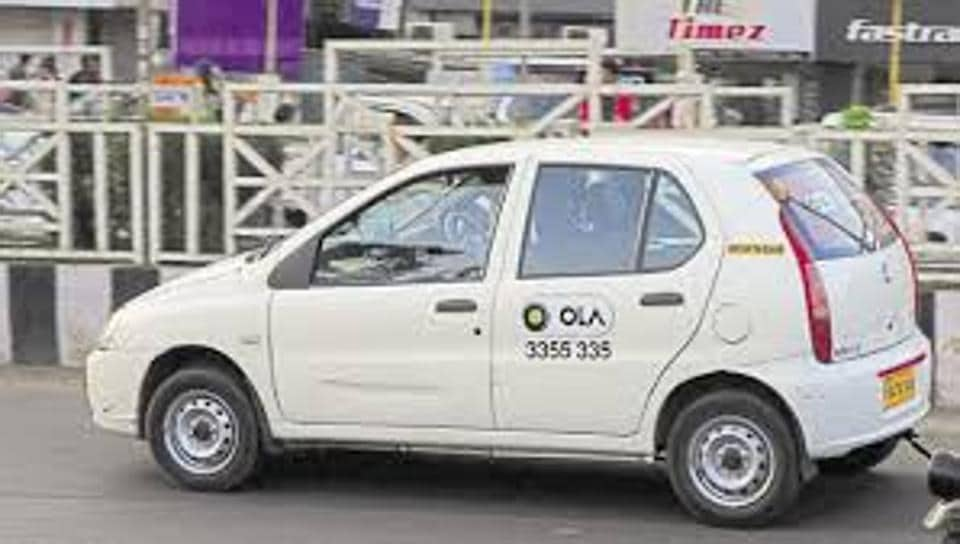
A bench of Justices VM Kanade and AS Gadkari was hearing a petition filed by the Association of Radio Taxis that includes representatives of radio cabs such as Meru, Mega and Tab cabs that sought a complete ban on Ola and Uber.
The plea claims that the latter are plying on tourist permits and do not have electronic meters like other taxis in the state. This, the petitioner claimed, allowed them to bypass the regulation on fare prices.
As per the plea, all other cabs in the city, including the regular black and yellow taxis run on a strictly regimented system of permits and fare structure regulated by the provisions of the state government and the Motor Vehicles Act.
The association claimed that other cabs are fitted with electronic metres to charge only the specified and regulated fare fixed by the Roads and Transport Authority, and do not allow for any surge pricing practised by Ola and Uber.
They also challenged the state’s new proposed Maharashtra City Taxi rules 2017 that allows Ola and Uber to convert their tourist permits into regular ones arguing that it allows them to convert an impropriety into a legal scheme without any costs.
Uber and Ola, however, claimed that the “definition of ‘tourist vehicles’ in the Act was not a literal one and that it referred to a range of motor vehicles used for helping one commute from one point to another.”
At Justice Kanade’s observation that reports suggested that there had been a significant dip in business for the black and yellow taxis ever since Ola and Uber had become operational, the latter argued that their cabs were a “popular and preferred mode of transport for they were consumer friendly.”
They also argued that the present petition had been filed by the other cab operators only because Ola and Uber had proven to be more popular than their services.
The court is likely to take up the matter for further hearing on March 23.
Read: Commuters pay through their noses as Ola, Uber drivers go on strike


