E-Paper



Govt employees cannot overstay in official quarters, rules Bombay high court
A division bench of the court held that staff quarters constructed by the Centre, state, or municipal bodies are “public properties” and “no court can allow any public property to be usurped by private citizens who then will use it for profiteering.”

 Prefer HTon Google


The Bombay high court on Friday ruled that government employees or their legal heirs have “no right” to continue staying in official quarters after retirement.
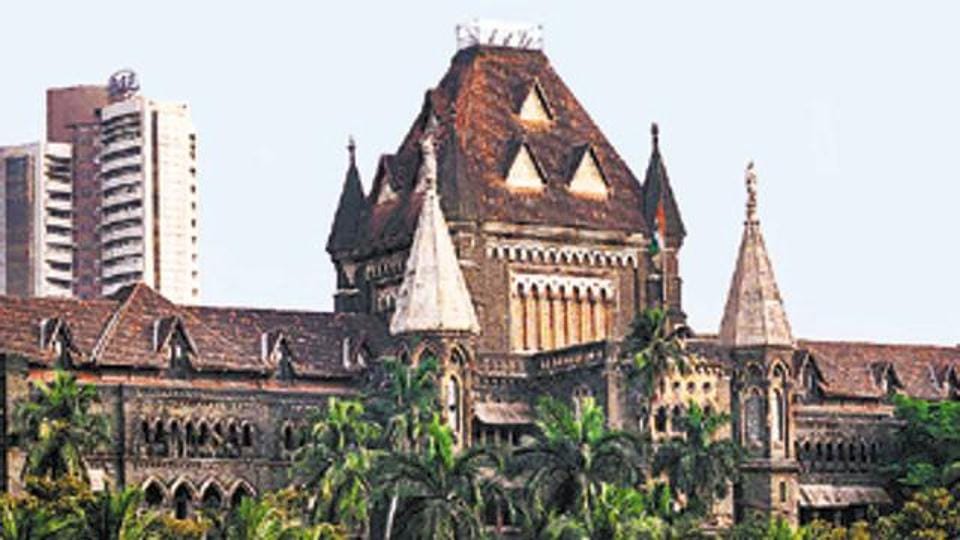
A division bench of the court held that staff quarters constructed by the Centre, state, or municipal bodies are “public properties” and “no court can allow any public property to be usurped by private citizens who then will use it for profiteering.”
The court went on to say that “government officers or bureaucrats must realise that they are mere public servants and have no authority over the state’s properties or assets.”
The court was hearing a bunch of petitions filed by over 1,500 retired employees of the Brihanmumbai Municipal Corporation (BMC) or their kin, who had challenged an eviction notice issued by the corporation.
These employees have been staying in quarters allotted to them by the corporation during their service tenure and have refused to vacate the same even after retirement or even the death of the original occupants.
The quarters that are under contention are some permanent and semi-permanent units that the corporation constructed over the years in suburbs such as Vikhroli, Chembur, Ghatkopar, Deonar, and Goregaon.
The BMC counsel, advocate Anil Sakhre submitted that as per the corporation’s older policy, it had granted ownership rights or extended leases to the original occupants of a few such units. However, in the 1990s, owing to “space crunch,” the corporation changed its policy and decided against any permanent tenancy or ownership rights on its staff quarters.
Sakhre said that in a city like Mumbai, that faces constant space crunch, often state’s staff accommodations prove inadequate in number and several employees, even those employed in emergency services are forced to either forego official accommodation, or wait in a never-ending queue for their turn.
The petitioners on the other hand argued that several of them had been living in these quarters since the 1960s or 70s, that many were mere class III or class IV employees who could not afford to live anywhere else. They argued that since a few of them do have permanent tenancy rights, all cases be treated on parity and be granted ownership.
The high court, however, held that the petitioners had been “wrongly retaining” the quarters and granting them any relief would suggest that the court was “validating illegal retention of public property.”
But, the court asked BMC to treat some cases as “special” and help rehabilitate such petitioners who were not in a position to fend for themselves.
Read more: Bombay HC stays bar council circular imposing age limit for law courses