
 E-Paper



Kashmiri Pandits from Mumbai want to return to their homeland
Kashmiri Pandits, who are part of the Saraswat Brahmin community, have been the original residents of the Valley until the 1990s. Militancy followed by persecution forced the community to leave Kashmir, and settle in other parts of the country.


With the scrapping of Article 370, Kashmiri Pandits in Mumbai are hoping to return to their homeland.
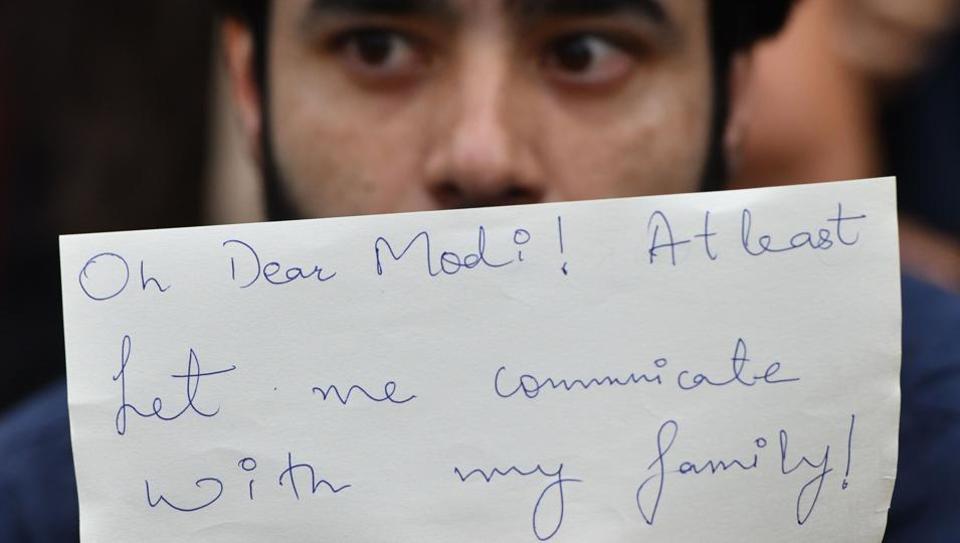
Kashmiri Pandits, who are part of the Saraswat Brahmin community, have been the original residents of the Valley until the 1990s. Militancy followed by persecution forced the community to leave Kashmir, and settle in other parts of the country.
Sunil Ranjan, an atomic energy officer in Kashmir, was forced to leave his house in March 1990. “Eighty per cent of my non-Kashmiri colleagues were literally forced out of the state in the 1990s. The central government employees who were working there were doing it half-heartedly. This decision will allow anyone to settle there,” said Ranjan.
Ranjan, however, said they differ on the government’s decision to offer reservation for the economically weaker sections in educational institutions and government jobs.
Dr Sanjay Dhar, president of Kashmiri Pandit Association comprising about 2,000 families, said the community can’t wait to go back. “The decision will eventually lead to development in the Valley,” said Dhar.
Chandji Bhat, an editor of a community magazine, said, “Panchayat elections in the state have been boycotted for long. If a basic democratic procedure like a panchayat election can’t be held, it’s best to scrap Article 370.”

Stay updated with all the Breaking News and Latest News from Mumbai. Click here for comprehensive coverage of top Cities including Bengaluru, Delhi, Hyderabad, and more across India along with Stay informed on the latest happenings in World News.


