
 E-Paper



Mumbai’s medical tourism drops by 80% amid Covid-19 pandemic
With the onset of the Covid-19 pandemic and the subsequent lockdown, the city has seen a sharp dip in the number of international patients. Until the lockdown curtailed international travel, Mumbai was one of the major hubs for medical tourism in India.

 Prefer HTon Google


With the onset of the Covid-19 pandemic and the subsequent lockdown, the city has seen a sharp dip in the number of international patients. Until the lockdown curtailed international travel, Mumbai was one of the major hubs for medical tourism in India.
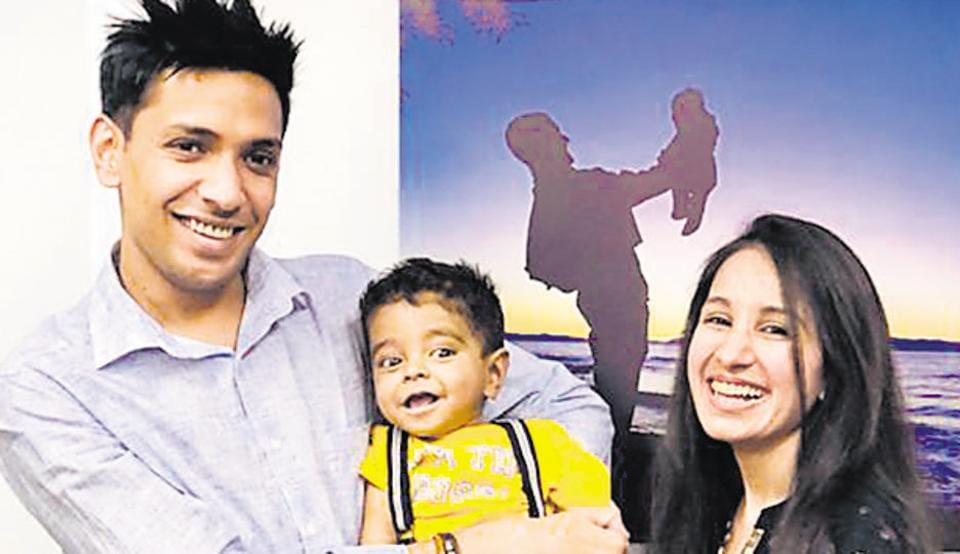
According to the ministry of tourism, around 7 lakh foreigners applied for medical visas in 2019. However, medical tourism was halted this year when Covid-19 spread globally. International commute systems have since been severely restricted.
For South African national Wazir Khan, 32, the process of bringing his son Nayum to Mumbai for a liver transplant was beset with challenges. “My son was born in October 2019. Within a few days, he was diagnosed with rare biliary atresia,” said Khan. Biliary atresia is a rare disease of the liver and bile ducts that occurs in infants. “My baby also underwent surgery in South Africa but it didn’t provide him with any relief. The only way to save him was a liver transplant,” he said.
Khan decided to bring Nayum to Mumbai for the medical transplant, but he had to struggle for three months to get the passport and medical visa. “I kept knocking at the doors of the immigration offices but I wasn’t getting the help. Then finally, a senior politician came to our rescue and helped me get the passport and visa,” he said.
Unfortunately for Khan, before he could bring Nayum to Mumbai, the lockdown was announced and international flights were cancelled. This led to delays and he was finally able to bring Nayum to the city in November. The one-year-old was then admitted to Global Hospital and underwent a liver transplant on November 25. Fortunately, Khan was a perfect match for his son and so donated a part of his liver for the transplant. Nayum is still in hospital and the Khans hope to return to South Africa on January 22, 2021.
India is one of Asia’s fastest-growing medical tourism destinations and Mumbai is a major hub for relatively affordable healthcare. Prior to the Covid-19 pandemic, city hospitals say they saw a regular stream of foreign patients who came for investigations, diagnoses and treatments like chemotherapy.
Nigerian Onyeka Pascal, 36, has been suffering from a heart valve disease since 2007 but was not able to afford the necessary surgery. By 2015, his condition had worsened significantly. Ultimately, Pascal decided to come to India to get a high-risk complex heart valve replacement procedure. Around the same time, Covid-19 was declared a pandemic and Pascal had to wait for months to get his medical visa. When he was finally able to travel, he needed special permission from Nigeria to avoid the 14 days of compulsory quarantine after landing in Mumbai on November 6. On November 7, Pascal underwent the heart valve replacement procedure at Fortis Hospital, in Mulund under Dr Manish Hinduja, Consultant,Cardio Thoracic and Vascular Surgery. He was admitted on November 7. After stabilizing him, the surgery was performed only on November 20. He was discharged on December 8 and returned to Nigeria on December 14.
The pandemic and lockdown have meant few patients like Pascal and Nayum. Dr Sujit Chatterjee, chief executive officer of Dr LH Hiranandani Hospital, in Powai, said the super speciality hospital hadn’t seen any international patients since March. “We are yet to receive any patient from aboard. But we are hopeful that soon, the situation will improve,” said Dr Chatterjee.
Some city doctors say the number of international patients has gone down by around 80%. Dr Aparna Govil Bhasker, bariatric and laparoscopic surgeon, at Saifee Hospital, said, “International medical tourism has taken a big hit during the pandemic and subsequent lockdown. In the last month or so, the number of patients travelling to Mumbai has increased, but even now it is just about 20% of what it used to be prior to the lockdown.”
Dr Ramakant Deshpande, chairman of ACI Cumballa Hill Hospital, said, “The travelling percentage has come down to 20-25%. Earlier, five to 10 international patients would come every month to the hospital. Now we see only one patient per month and patients from the United Kingdom aren’t allowed to come.”
Last week, in a virtual seminar, minister of state for tourism and culture Prahlad Singh Patel had predicted growth for medical tourism to India. “The post-pandemic situation is one where our system of medicine, local cure and wellness methods are what could be best suited to deal with it. After Corona [Covid-19], medical tourism is expected to rise and we must be prepared for this opportunity,” Patel had said.


