
 E-Paper



Mumbaiwale: Winter woollies via Tibet
There’s little reason to bundle up in Mumbai, but for Tibetan refugees in India, the cold months are great for a seasonal street business


You’ll see them between November and January, selling woollen clothes along the pavements in Parel, CSMT, Grant Road and Chembur. Of the one-lakh-odd Tibetan refugees in India, about 200 visit Mumbai to sell cold-weather gear under special permission from the government.
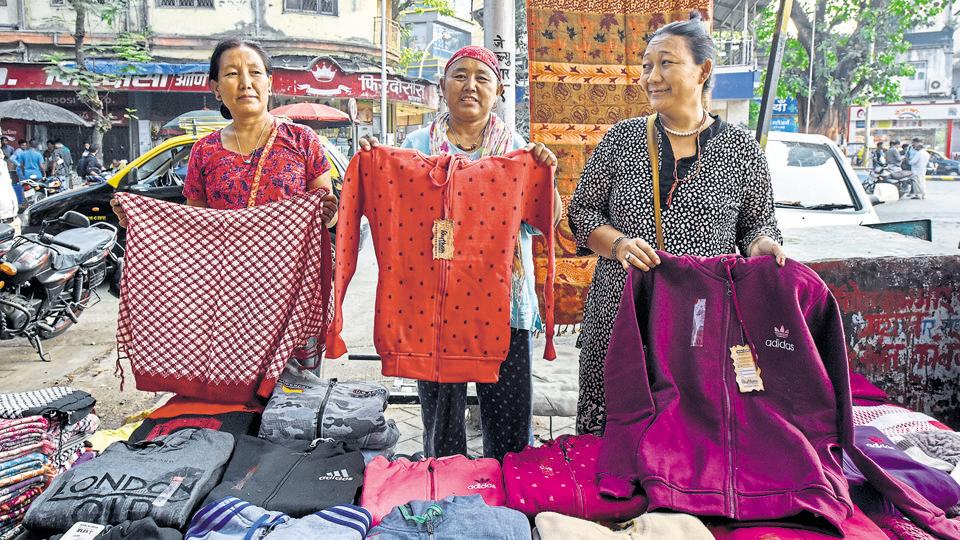
There’s plenty to buy, and it’s mostly affordable – prices rarely cross ₹800 for chunky pullovers, furry hoodies, monkey caps or even gloves. And sales are surprisingly brisk for a city where there’s no need for anything heavier than a light jacket.
“Every sale we make, there’s conversation that Mumbai doesn’t have a winter,” says Lobsang Chodon, 46, who’s been selling items in Parel for eight winters. “But Mumbai has plenty of migrants from colder areas, who take items home – the range is wider here especially for children. And it’s possible to bargain with us. So here we are, on a 33-degree afternoon, selling sweaters.”
Tibetans have been living in India since 1959. About 80,000 of them followed the Dalai Lama after he fled to India when Chinese troops closed in on the capital, Lhasa. Chodon remembers selling cardigans hand-knitted by those from her community. Today, they’re machine-made. by January end, she’ll pack up and return to her rice farm near Hubli in Karnataka.
You, on the other hand, have just over a week left to check out her colourful cold-weather stocks.
INSIDE MUMBAI’S INBOX
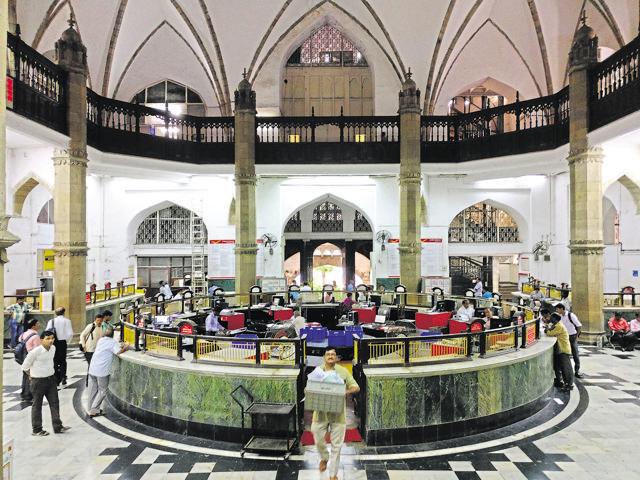
At the General Post Office or GPO at Fort, you’ve probably been dazzled by the grand circular bicentennial hall, with a ring of counters under a vaulted ceiling. Walk further in to see two life-size gilt-coated statues – postmen from a long time ago.
The bearded gent (below, right) sports a dapper centre-parted beard, turban, long kameez and satchel. An image from FH Coleman’s 1902 book Typical Pictures of Indian Natives, indicates his uniform may have been deep blue, but red at the cuffs and yoke, and the satchel would likely have been leather.
His shiny colleague on the other side, however, has more traditional clothes – a dhoti, kurta and staff – and holds remnants what may have been a canvas bag. A wood engraving from 1858, featuring a postman from Bengal, features a similar costume.
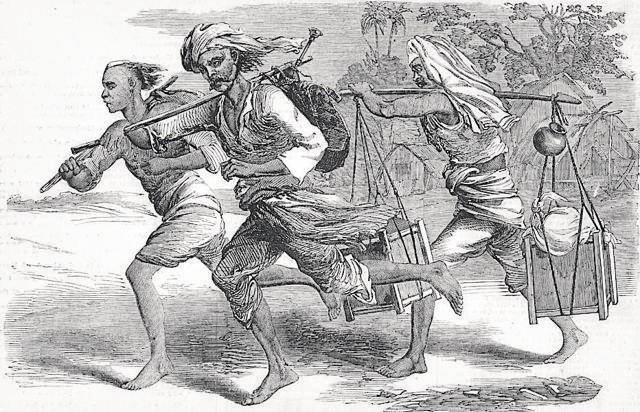
No one at the GPO is quite sure how old these sculptures are. But examples of both uniforms appear (along with 12 others) on a 2012 First Day Cover honouring Sher Shah Suri, who pioneered a national mail system via horse couriers in 1541. Uniforms reflected regional fashions until the familiar khaki uniform was adopted nationally after Independence.
Rachel.Lopez@htlive.com

Stay updated with all the Breaking News and Latest News from Mumbai. Click here for comprehensive coverage of top Cities including Bengaluru, Delhi, Hyderabad, and more across India along with Stay informed on the latest happenings in World News.


