
 E-Paper



One-sided Maha election: Why the perception?
Maharashtra witnessed such a direct fight in 2004 and 2009 Assembly elections, and in both these elections, the Congress-NCP combine succeeded in retaining power.

 Prefer HTon Google


With the announcement of the Assembly elections in Maharashtra, the battle is on for winning power in the state.
Unless the BJP and Shiv Sena fail to forge an alliance (at this juncture it looks like they will stick together), there will be a direct contest between the two alliances with the Congress-NCP taking on the BJP-Sena. Prakash Ambedkar’s Vanchit Bahujan Aghadi and Raj Thackeray’s Maharashtra Navnirman Sena are also in the fray, but it is not clear how much impact they would have.
Maharashtra witnessed such a direct fight in 2004 and 2009 Assembly elections, and in both these elections, the Congress-NCP combine succeeded in retaining power. In 2014, the four parties contested separately and the BJP used the Modi wave to ride to power. If the ruling partners choose to contest separately now, there will be a triangular contest in the state. The last time there was triangular election in Maharashtra was 1999. Then Sharad Pawar had floated the NCP after his expulsion from the Congress and leaders of the BJP-Shiv Sena decided to go for election six months before the end of the government’s tenure. Their judgement proved wrong as the Congress and NCP forged a post-poll alliance to wrest power from the saffron combine.
So what will happen in the 2019 assembly elections?
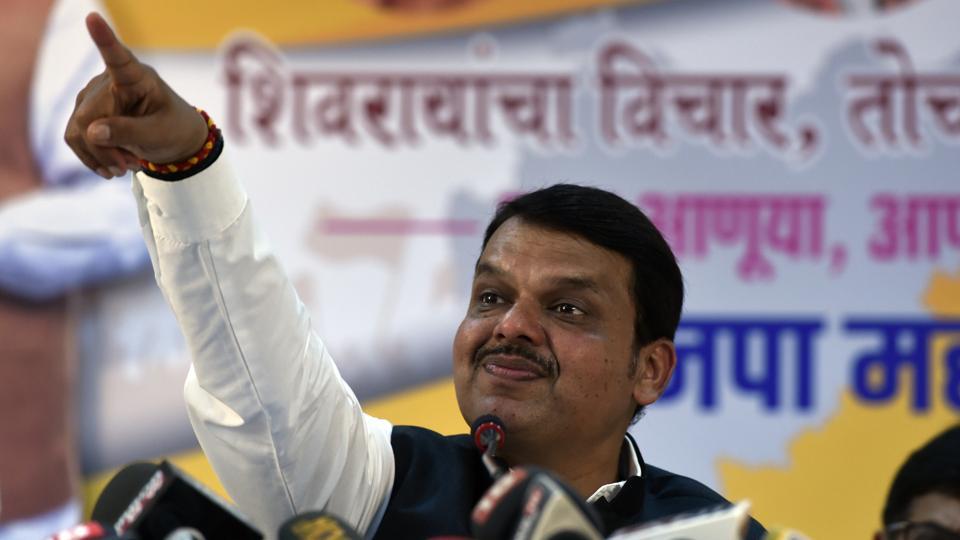
Leaders of the ruling alliance, especially from the BJP, say they will return to power by winning 220 to 250 out of 288 seats in Maharashtra. CM Devendra Fadnavis says the BJP-Sena alliance is easily winning and it is just a matter of figures – whether the Opposition is reduced to 50 seats or 20.
Opposition leaders say the ground reality is different: People are not happy. They are worried about their jobs. Farmers are worried about getting proper prices for their crops. Businessmen are worried about impact of slowdown on them. There is an undercurrent against the government in the state, they insist.
So, what is the truth?
There is no visible mood against the ruling parties. PM Modi is still a popular figure and can attract votes for the BJP. There is a perception that the Opposition is weak and ruling parties are strong. A major reason is the thumping victory of the BJP in Lok Sabha elections. The BJP-Sena alliance won 41 of the 48 seats in Maharashtra. To make it worse for the Opposition, several Congress-NCP leaders have defected to BJP-Sena in the past few weeks. It has strengthened the perception that the Opposition has no chances of winning.
While strategists and campaigners of the BJP and allies deserve credit for their victory in Lok Sabha and favourable atmosphere in the run-up to the Assembly elections, the Opposition parties can’t escape the responsibility for their failure to corner the ruling parties over various issues.
They failed to create an atmosphere against the ruling parties in the past five years.
The Opposition attacks the ruling parties inside the legislature and out on the streets to shape public opinion. The performance of the Opposition in legislature, especially in the Assembly, was poor. It did not corner the ruling parties over any issue – even when there were allegations of corruption or irregularities against ministers. There was no synergy between the two main opposition parties, the Congress and the NCP.
Outside the legislature, the Opposition parties were rarely seen taking the issues to the people. Most of the leaders seemed happy issuing press statements and posting their remarks on social media. About half of the state’s population is in cities, but the Congress-NCP leaders were not seen taking efforts to recover lost ground, even in major cities like Mumbai, Pune, Nashik and Nagpur. Leadership of both the parties did not feel it necessary to give scope to young blood, when senior leaders were hesitating to take on the ruling parties aggressively. Little wonder, the Fadnavis-led government as well as BJP as a party managed to dominate the public perception. They had a clear agenda and knew how to implement their plans.
As the election campaign takes off now, Fadnavis and his colleagues seem to be better prepared to fight the battle to win public opinion. In comparison, the Opposition parties face a tough challenge to convince the voters how the ruling parties have failed to deliver. Can they manage this difficult task?


