
 E-Paper



RIP George Martin: We can’t let the passing of the ‘fifth Beatle’ be
British music producer George Martin, who played such a key role in shaping and guiding the sound of The Beatles that became known as the “fifth Beatle”, has died at the age of 90.


British music producer George Martin, who played such a key role in shaping and guiding the sound of The Beatles that became known as the “fifth Beatle”, has died at the age of 90.
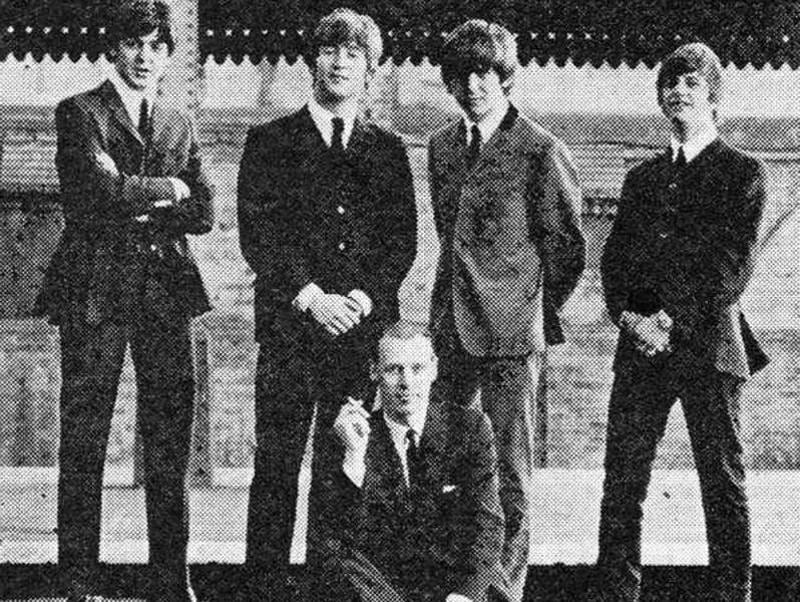
“We can confirm that Sir George Martin passed away peacefully at home yesterday evening,” said Adam Sharp, a founder of CA Management which represented the suave producer who signed The Beatles to their first record contract in 1962.
News of the death first emerged in a tweet from Ringo Starr, The Beatles drummer. “God bless George Martin peace and love to Judy and his family love Ringo and Barbara George will be missed xxx,” he posted on Twitter.
Martin produced all but one of the albums of The Beatles after signing them to Parlophone Records at a time when the band had been rejected by several labels. He was behind the decision to introduce lavish orchestration to their songs such as Yesterday and A Day In The Life and even played on some of their songs.
Read: Beatles Ashram in Rishikesh opens to fans of Fab Four
Despite being almost 20 years older than The Beatles when he first met them, Martin soon gained the trust of the group. The band was soon acting on his advice – they fired original drummer Pete Best because Martin thought he wasn’t very good and – and he also encouraged them to record more of their original material.
Martin later wrote in his 1979 memoir All You Need Is Ears that The Beatles’ first demo tape was “by no means a knockout” but he decided to give the band a chance because “there was an unusual quality of sound, a certain roughness that I hadn’t encountered before”.
Listen to Yesterday here
The beginning, however, wasn’t smooth. Martin asked the Beatles if they had any problems with their first test session, George Harrison replied, “Well, there’s your tie, for a start.” Martin himself said during a later interview: “I was 36 when I first met The Beatles and I was an old man to them. But perceptions have changed. They were on an average 16 years younger than me, so I was a kind of big brother rather than a father.”
On the early Beatles albums, Martin mostly focussed on helping the band refine their sound and make the most of recording sessions. It was he who convinced them to record Please Please Me at a faster tempo and, on hearing the result, said, “Gentlemen, you have just made your first No 1 record.”
Listen to Please Please Me here
As The Beatles began moving towards more complex sounds, it was Martin who came up with the idea of adding orchestration and string sections to songs such as Yesterday and Eleanor Rigby. It was also Martin who introduced the band to the concept of playing tapes backward, used on albums such as Revolver and Sgt Pepper’s Lonely Hearts Club Band.
Although he had produced all the albums recorded by The Beatles since their debut, the band brought in Phil Sector for 1969’s Let It Be, and Martin later said in an interview he thought he and the band “were through”. But the band later brought him back for Abbey Road, which would become the last album recorded by The Beatles.
In his memoir, Martin described his relationship with The Beatles: “I must emphasise that it was a team effort. Without my instruments and scoring, very many of the records would not have sounded as they do. Whether they would have been any better, I cannot say. They might have been. That is not modesty on my part; it is an attempt to give a factual picture of the relationship.”
Read: Had nothing to do with The Beatles break-up: Yoko Ono
After the break-up of The Beatles, Martin worked on solo albums made by the band’s members, especially Paul McCartney, and subsequent projects that compiled the band’s unreleased material such as the Anthology series in 1995. He also produced albums by artists as diverse as Cheap Trick, Ella Fitzgerald, America, Kate Bush, Kenny Rogers and Jeff Beck.
Martin’s last big hit was the 1997 version of Elton John’s Candle In The Wind, recorded as a tribute to Princess Diana. His output declined after that, largely because of hearing problems.
Here are some tweets that are pouring in
Follow @htshowbiz for more

Get more updates from Bollywood, Taylor Swift, Hollywood, Music and Web Series along with Latest Entertainment News at Hindustan Times.


