India, Brazil and South Africa (IBSA) share common qualities among the powerful chorus of the Global South. They are all democracies with fast-developing economies. They also have a vibrant digital scene.
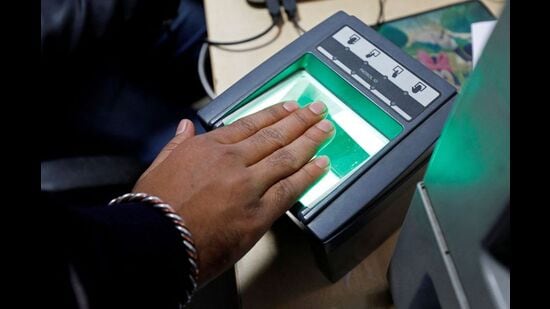
India has an impressive track record of developing and running Aadhaar, the world’s largest biometric ID system. (REUTERS)
Take India, which is pushing for affordable access, digital transformation and data for governance. It also has an impressive track record of developing and running Aadhaar, the world’s largest biometric ID system. This is why its G20 presidency deserves our attention, especially since it comes at a moment when global digital governance is in a crisis and geopolitical rivalries are undermining global solutions.
India, together with Brazil and South Africa, two countries that will lead the G20 in the coming three years, can create an IBSA digital momentum. This momentum can be developed around three core values: Development, democracy, and diplomacy. Digitalisation is the engine of growth in IBSA economies. Among the three countries, India is the leader, with a vibrant digital economy. In all three, future digital growth will happen due to their large and young populations and economic dynamics. But digitalisation also tends to exacerbate major social tensions, including the digital divide, legislative proposals to control fake news, and other local cultural, political, and economic specificities.
Aware of these challenges, these three countries spearheaded digital inclusion by prioritising affordable access for citizens, supporting training for digital skills, and creating a legal framework for the growth of small digital enterprises. For example, many see Aadhaar as an inspiration for other countries to create similar systems. South Africa has been a leader in the inclusion of women and young people. Brazil works hard with marginalised groups, from people with disabilities to indigenous people.
On data and sustainable development, India’s G20 presidency aims for strategic leadership with the following practical initiatives: Self-evaluation of nations’ data governance architectures, modernisation of national data systems to incorporate citizen voices and preferences regularly, and transparency principles for governing data. With a big population, IBSA countries also see data as a national resource, and seek to reconcile the competing demands of free flow of data and data sovereignty.
India, Brazil, and South Africa are all working democracies with regular elections and strong civil society stakeholders. In India, a civil society initiative of over one million signatures blocked Facebook’s Free Basics project and helped preserve net neutrality. In Brazil, the Internet Governance Steering Committee made it the first country to use a national multistakeholder model. South Africa has done a lot at a national level to provide young people and women with a stake in digital processes. The IBSA trio must deal with the digital aspects of their social and political problems through public discussions. India has had the highest number of internet shutdowns in the past few years. Brazil has witnessed major misuse of social media platforms during elections. South African women experience high levels of online violence.
All three nations are supporters of multilateral diplomacy. As members of various international coalitions, processes and organisations, they have a strong convening capacity. They can also get countries with similar digital strengths and problems to collaborate on bigger regional and global projects.
India and Brazil have both hosted meetings of the UN’s Internet Governance Forum, and want universities, civil society, businesses, and other important groups to be involved in making policy. South Africa has been an active player in global internet governance. Many countries, such as Indonesia and Singapore in Asia, Mexico and Argentina in Latin America, and Nigeria, Kenya, and Rwanda in Africa, share IBSA’s concerns and approaches to digital governance.
India, Brazil and South Africa could give new momentum to digital governance and diplomacy. Three countries bring together a unique combination of strengths — from their size to functional democracies to their commitment to multilateralism. IBSA’s success in digital and data governance could inspire new ideas and approaches for an effective interplay between development, democracy, and diplomacy.
Jovan Kurbalija is executive director, DiploFoundation, and head of the Geneva Internet Platform. Asoke Mukerji is s former Permanent Representative of India to the UN and a senior fellow at the DiploFoundation The views expressed are personal

 E-Paper