
 E-Paper



Spanish classic Don Quixote comes alive in Kathakali
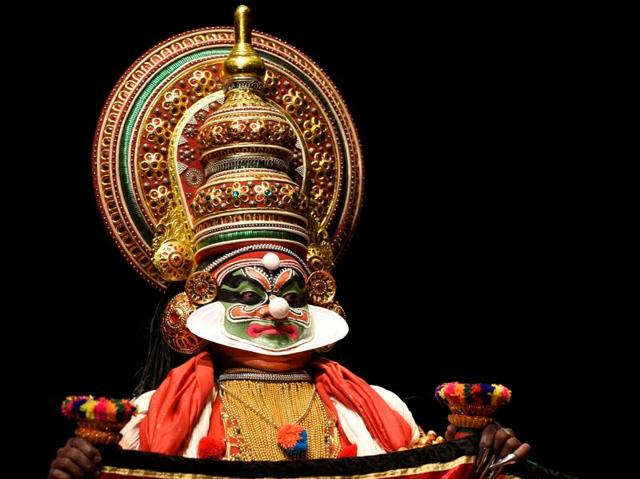
Members of the Indian company Margi Kathakali theatre perform during Kijote Kathakali, a Kathakali recital based on the Spanish classic Don Quixote at the Niemeyer Center in Aviles, northern Spain, July 29, 2016. (REUTERS)
Updated on: Aug 02, 2016 6:16 PM IST

Share via


Copy link

1/8

 View Photos in a new improved layout
Updated on Aug 02, 2016 6:16 PM
Members of the Indian company Margi Kathakali theatre perform during Kijote Kathakali, a Kathakali recital based on the Spanish classic Don Quixote at the Niemeyer Center in Aviles, northern Spain, July 29, 2016. (REUTERS)
2/8
 View Photos in a new improved layout
Updated on Aug 02, 2016 6:16 PM
Don Quixote is the best-known work of Spanish writer, Miguel de Cervantes. (REUTERS)
3/8
 View Photos in a new improved layout
Updated on Aug 02, 2016 6:16 PM
The Spanish novel is considered to be among the most influential work of literature from the Spanish Golden Age. The public watch as members of Margi Kathakali get ready before their performance. (REUTERS)
4/8
 View Photos in a new improved layout
Updated on Aug 02, 2016 6:16 PM
The novel follows the life of a man born to Spanish nobility, Alonso Quixano, who reads a lot of chivaric romances but loses his sanity. He also decides to bring back chivalry and undo all wrongs in society. Members of Margi Kathakali prepare before their performance. (REUTERS)
5/8
 View Photos in a new improved layout
Updated on Aug 02, 2016 6:16 PM
A dramatic makeover: A member of Margi Kathakali looks into the mirror for the perfect look. (REUTERS)
6/8
 View Photos in a new improved layout
Updated on Aug 02, 2016 6:16 PM
Many critics have said that the novel chooses fantasy over the real world and celebrates radical nihilism and anarchism. (REUTERS)
7/8
 View Photos in a new improved layout
Updated on Aug 02, 2016 6:16 PM
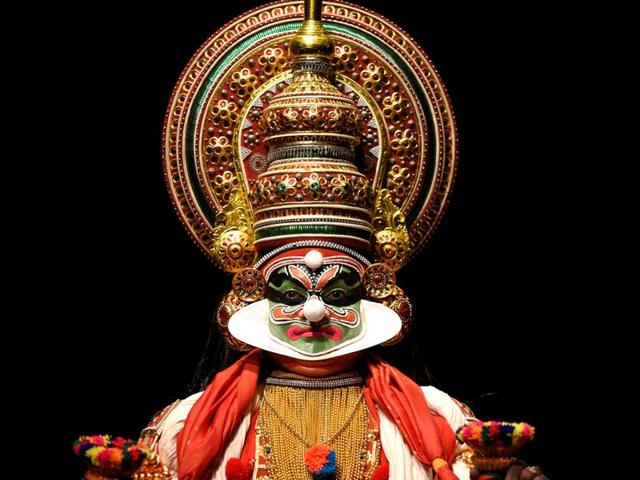
Kathakali, one of the major ancient classical dance forms of India, is a Hindu performance art. A member of the theatre group seen during the performance. (REUTERS)
8/8
 View Photos in a new improved layout
Updated on Aug 02, 2016 6:16 PM


