
 E-Paper



Photos: Coronavirus casts a shadow over the Everest in Nepal
The Himalayan hilltown of Khumjung should be bustling ahead of Everest's climbing season with foreign trekkers gearing up for one of Mount Everest's biggest weeks of the year, but the coronavirus has forced the shut down of the world's tallest mountain and threatened the livelihood of the famed local Sherpas who rely on it.
Updated on: Apr 2, 2020 3:04 PM IST


Share via


Copy link

1/10
 View Photos in a new improved layout
Updated on Apr 2, 2020 3:04 PM
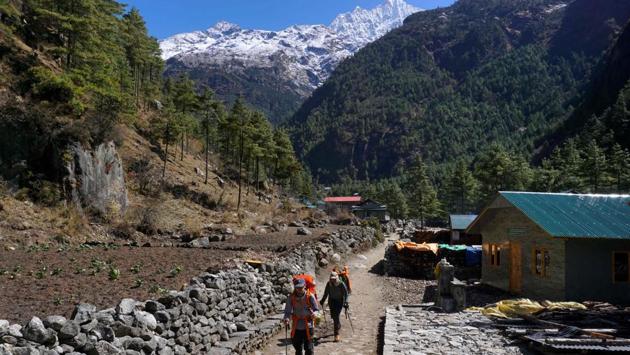
Trekkers make their way along a path in the Mt. Everest region, Nepal. While there are no reported cases in the Himalayan town of Khumjung -- home to many of the ethnic Sherpas who dominate the industry helping climbers, the Himalayas have been closed by the global shutdown of borders and air travel. (Prakash Mathema / AFP)
2/10
 View Photos in a new improved layout
Updated on Apr 2, 2020 3:04 PM
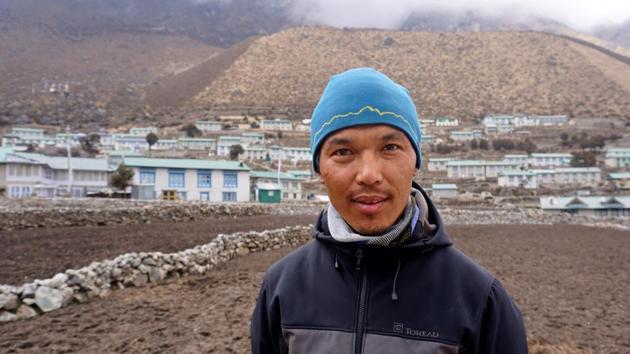
Nepalese mountain guide Phurba Nyamgal Sherpa during an interview at his house at Khumjung. Phurba Nyamgal Sherpa , who has been climbing Everest and other mountains since he was seventeen, is now worried about his future, like hundreds of other guides and expedition workers. (Prakash Mathema / AFP)
3/10
 View Photos in a new improved layout
Updated on Apr 2, 2020 3:04 PM
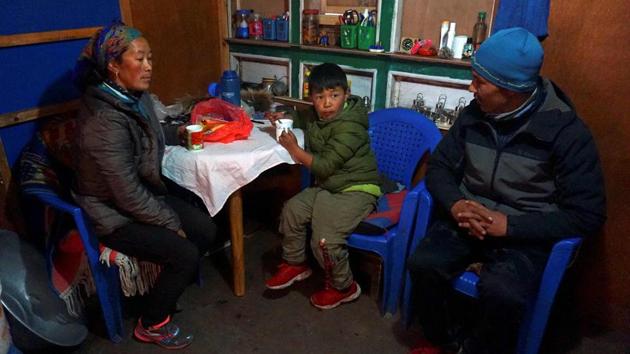
Phurba Nyamgal Sherpa (R) with his family at home. Ropes and picks are still hung up in the Khumjung houses with their green stone roofs. Hostels and tea shops in the region used by trekkers and climbers acclimatising for the start of the 8,848-metre (29,029 feet) ascension are empty. Nepal suspended permits for all mountain expeditions on March 12, effectively closing its peaks. (Prakash Mathema / AFP)
4/10
 View Photos in a new improved layout
Updated on Apr 2, 2020 3:04 PM
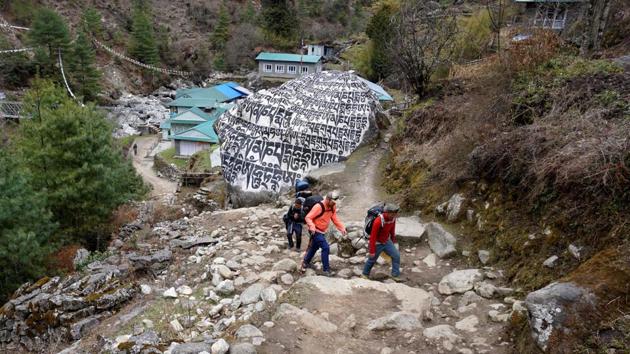
Trekkers and their guide making their way along a path in Phakding. The shutdown cost at least four million dollars in lost revenue from climbing permits. An Everest permit alone costs $11,000. But Sherpa and other guides, who are often the sole breadwinners for their families, say they face a more desperate problem. The Everest season from early April to the end of May feeds his family for the whole year. (Prakash Mathema / AFP)
5/10
 View Photos in a new improved layout
Updated on Apr 2, 2020 3:04 PM
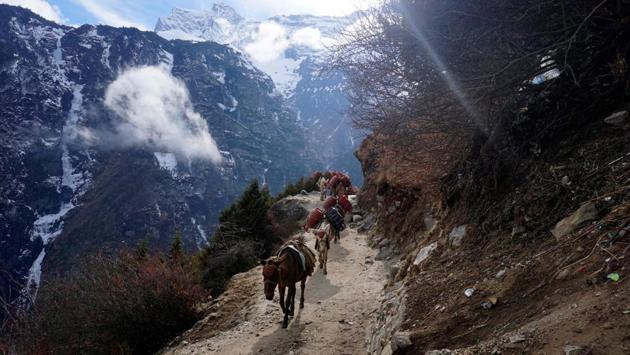
Mules carry empty gas cylinders along a path. Guides tend to earn between $5,000 and $10,000 during the season. “We don’t go to the mountains because we want to, it is our only option for work,” Sherpa told AFP. Son of a yak herder, Sherpa, 31, has been to the top of Everest eight times and helped dozens of climbers reach the summit. (Prakash Mathema / AFP)
6/10
 View Photos in a new improved layout
Updated on Apr 2, 2020 3:04 PM
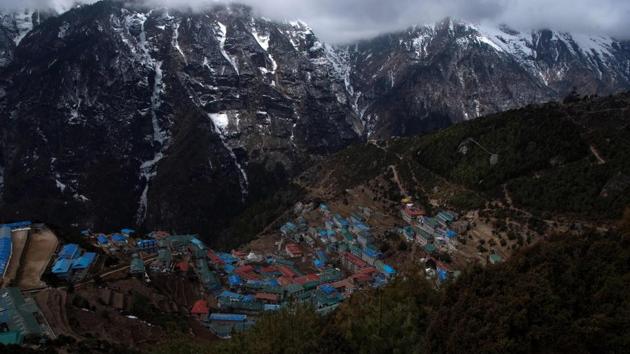
A view of Namche Bazaar. Last year’s season saw a record 885 people summit Everest, 644 from the Nepal side. But the coronavirus has left base camp deserted. Namche Bazaar, the last town before it, is also empty. (Prakash Mathema / AFP)
7/10
 View Photos in a new improved layout
Updated on Apr 2, 2020 3:04 PM
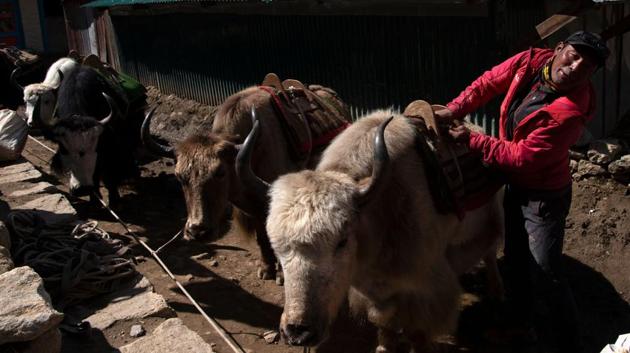
The guides, porters, cooks and other support staff have had to walk down the slopes home empty-handed. “With the season cancelled, no one gets a job. From flights to shops to porters, there is no work. Everyone is heading home,” said Pemba Galzen Sherpa, who has been to Everest’s summit 14 times. (Prakash Mathema / AFP)
8/10
 View Photos in a new improved layout
Updated on Apr 2, 2020 3:04 PM
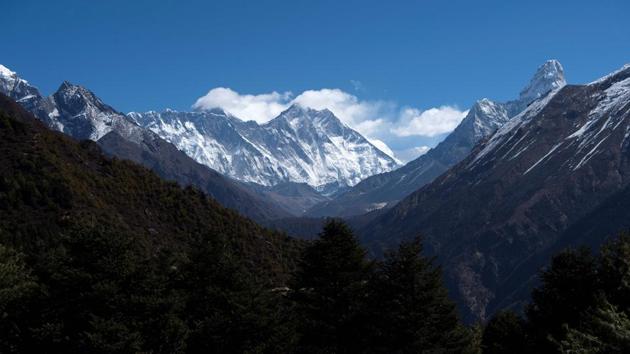
Mount Everest (centre L) and other peaks, as seen from Namche Bazaar. Tourism contributes nearly 8% of Nepal’s gross domestic product and accounts for more than a million jobs, according to the World Travel and Tourism Council. Nepal, still recovering from a major 2015 earthquake, was hoping to attract a record two million tourists in 2020. Those ambitious plans now lay shattered. (Prakash Mathema / AFP)
9/10
 View Photos in a new improved layout
Updated on Apr 2, 2020 3:04 PM
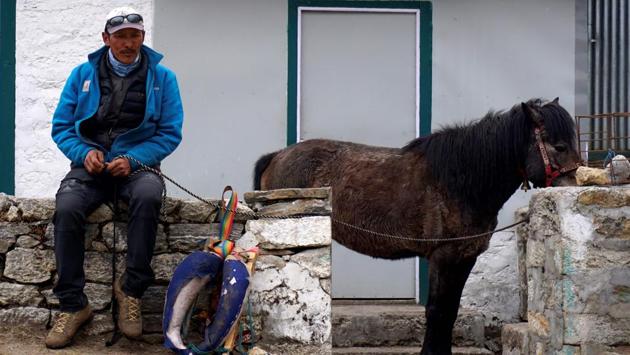
The spring season sees hundreds of foreign climbers and trekkers snake through their villages. At base camp, climbers and Nepali support staff have to live in close quarters. Renowned mountaineer Phurba Tashi Sherpa, who has climbed Everest 21 times, said that coronavirus would wreak havoc if it entered Himalayan villages. (Prakash Mathema / AFP)
10/10
 View Photos in a new improved layout
Updated on Apr 2, 2020 3:04 PM


