
 E-Paper



Photos: Tour forgotten single-screen cinemas from across India
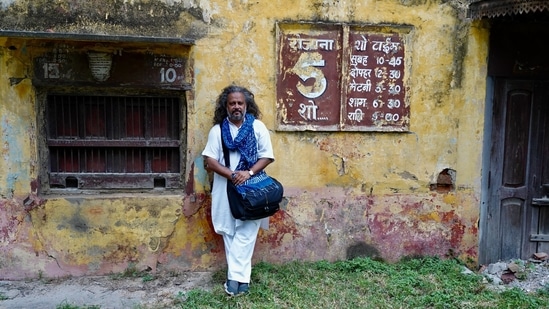
Photographer Hemant Chaturvedi has been on the road for two years, shooting single-screen cinema halls as they stand, neglected and crumbling, across India. He’s made his way across 32,000 km in 11 states so far. “In the next 25 years, most single-screen theatres will have ceased to exist. Somebody needs to document them,” he says.
Updated on: Jul 11, 2021 3:02 PM IST


Share via


Copy link

1/8
 View Photos in a new improved layout
Updated on Jul 11, 2021 3:02 PM
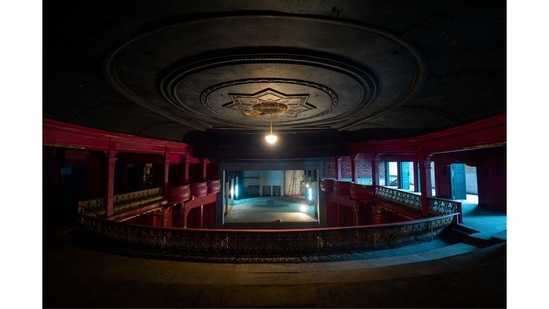
Inside the Capitol Theatre in Mumbai. Between the strains of competing with multiplexes and streaming platforms, and now the pressures of Covid-19, it is likely that many single-screens that hung on until 2019 will now never reopen. (Photo by Hemant Chaturvedi)
2/8
 View Photos in a new improved layout
Updated on Jul 11, 2021 3:02 PM
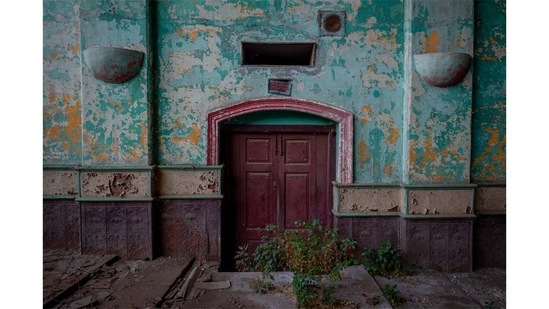
At the abandoned Empire Theatre in Jabalpur, Madhya Pradesh. India had about 20,000 operational single-screen cinemas in 2000. By 2019, that number had dwindled to just over 6,000. (Photo by Hemant Chaturvedi)
3/8
 View Photos in a new improved layout
Updated on Jul 11, 2021 3:02 PM
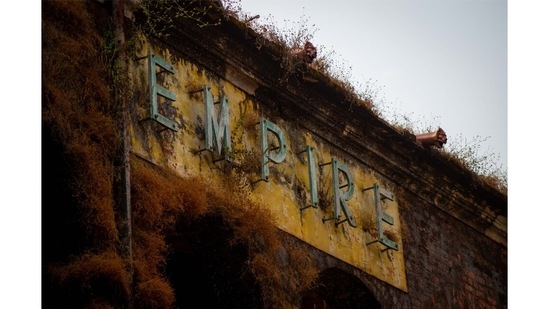
The overgrown sign for the abandoned Empire Theatre in Jabalpur, Madhya Pradesh. Chaturvedi has photographed over 650 single-screen cinemas across 500 towns so far. (Photo by Hemant Chaturvedi)
4/8
 View Photos in a new improved layout
Updated on Jul 11, 2021 3:02 PM
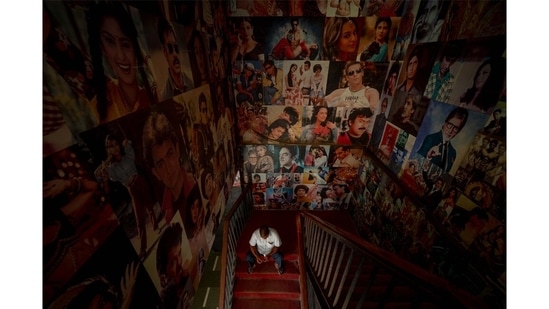
A lone attendant sits on a deserted red carpet, while the stars look down silently from their posters, at Nishat Talkies, Mumbai. (Photo by Hemant Chaturvedi)
5/8
 View Photos in a new improved layout
Updated on Jul 11, 2021 3:02 PM
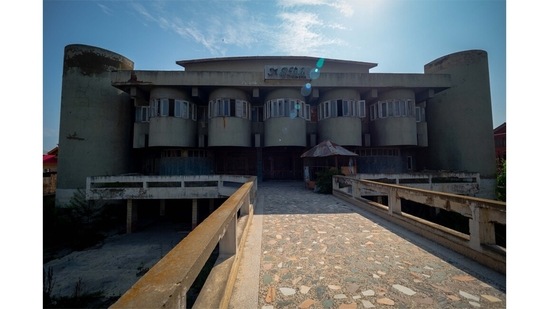
The imposing façade of Shah Cinema, Srinagar. The grand architecture of India’s surviving single-screens is evocative, Chaturvedi says, both for the grandeur it once represented and the unforgiving manner in which the world has moved on. (Photo by Hemant Chaturvedi)
6/8
 View Photos in a new improved layout
Updated on Jul 11, 2021 3:02 PM
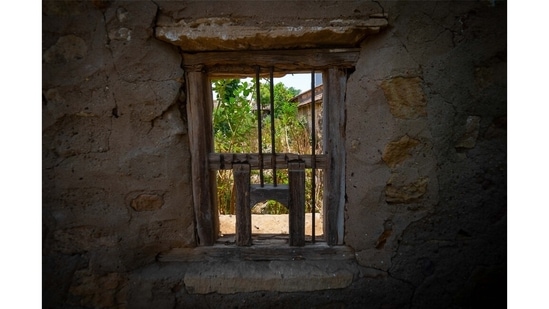
One of his favourites, the unnamed cinema in the small town of Wadhwan in Gujarat is believed to have been India’s first open-air theatre. It was commissioned by the Maharaja of Wadhwan, soon after he watched the Lumière brothers work their magical cinématographe in Mumbai in 1896. This open-air theatre that it put on its first show in 1906. (Photo by Hemant Chaturvedi)
7/8
 View Photos in a new improved layout
Updated on Jul 11, 2021 3:02 PM
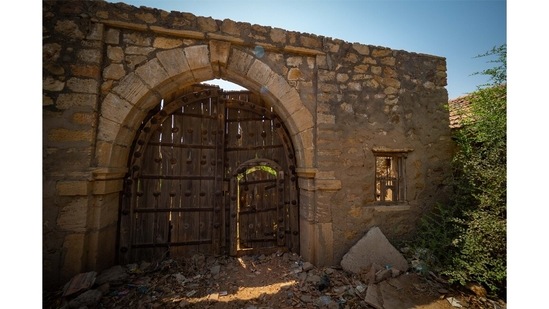
The Wadhwan cinema isn’t even a structure. It’s a stone wall, a large wooden gate and a small ticket window leading onto a large ground. It breaks his heart, Chaturvedi says, that so little of those times was preserved. (Photo by Hemant Chaturvedi)
8/8
 View Photos in a new improved layout
Updated on Jul 11, 2021 3:02 PM


