

 E-Paper


Being almost famous on World Monuments day
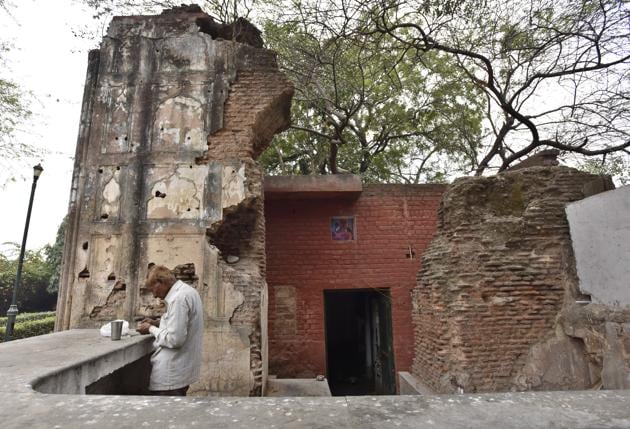
Delhi has its share of lessor known monuments that have little documented history. Some of them stand in isolation whereas many of them have been overwhelmed by a city bursting at its seams due to population pressures resulting in unauthorized encroachments.
1 / 11
 View Photos in a new improved layout
Updated on Apr 18, 2017 03:19 pm IST
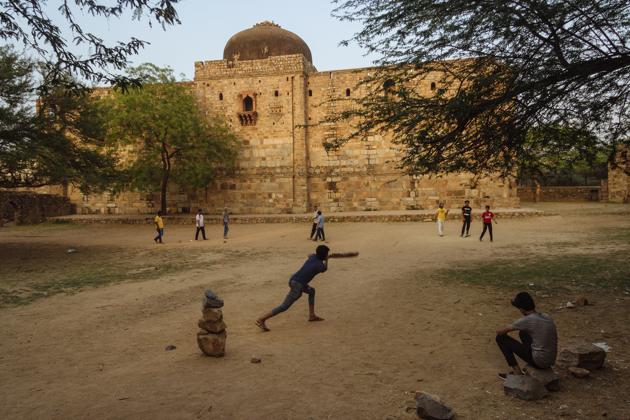
Built in 1528, Jamali Kamali Mosque in the Mehrauli Archaeological Park was built in the memory of the Sufi poet Jamali who lived during the reign of Sikandar Lodi. Delhi has its share of lessor known monuments that have little documented history. Some of them stand in isolation whereas many of them have been overwhelmed by a city bursting at its seams due to population pressures resulting in unauthorized encroachments.
2 / 11
 View Photos in a new improved layout
Updated on Apr 18, 2017 03:19 pm IST
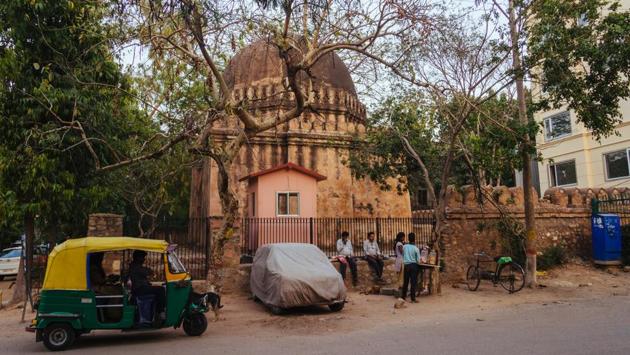
This unnamed tomb is located in the residential area called Sadhna Enclave in Panchsheel Park. Identified as a tomb from the Lodi era due to its architectural similarities to buildings from that time period, this piece of history has been nearly been claimed by the settlement around it. (Vageesh Lall/HT Photo)
3 / 11
 View Photos in a new improved layout
Updated on Apr 18, 2017 03:19 pm IST
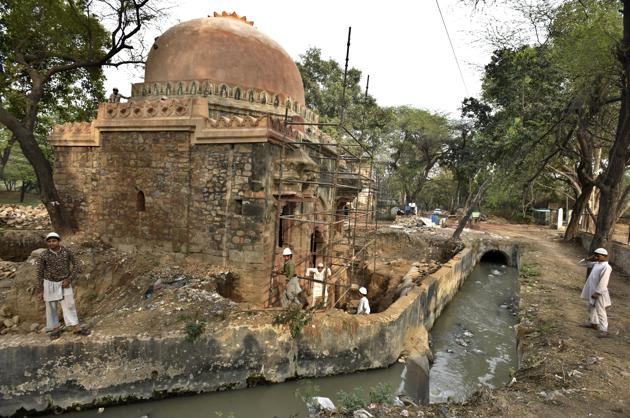
A big drain passing through the Mehrauli Archaeological Park poses a potential threat to the foundations of an unnamed early-Mughal era monument. (Raj K Raj/HT PHOTO)
4 / 11
 View Photos in a new improved layout
Updated on Apr 18, 2017 03:19 pm IST
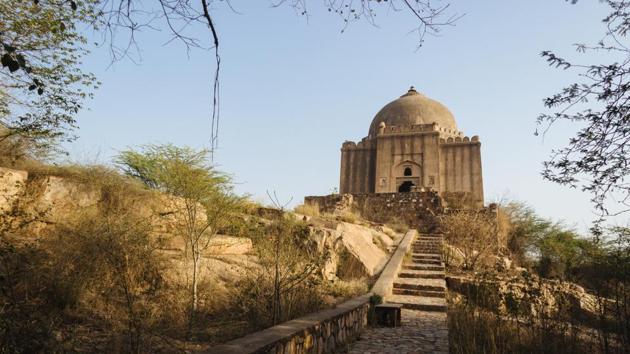
Azim Khan’s Tomb was built in the the 17th century by the later Mughals and is located near the intersection of Mehraulli-Badarpur road and Anurvat road. Being placed a top a rock hill gives this monument a very prominent appearance making it almost symbolic of this area in South Delhi yet its history is not well known. (Vageesh Lall/HT Photo)
5 / 11
 View Photos in a new improved layout
Updated on Apr 18, 2017 03:19 pm IST
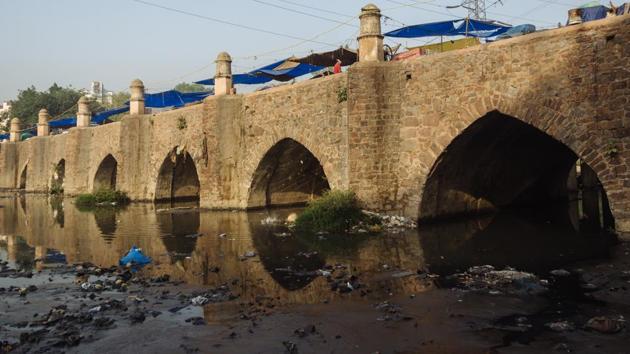
Barapullah, a causeway from the times of the early Mughal empire, is located near Nizamuddin Railway Station. Despite having a flyover corridor named after itself, today it supports a make shift market on top of itself while a sewer flows under it. (Vageesh Lall/HT Photo)
6 / 11
 View Photos in a new improved layout
Updated on Apr 18, 2017 03:19 pm IST
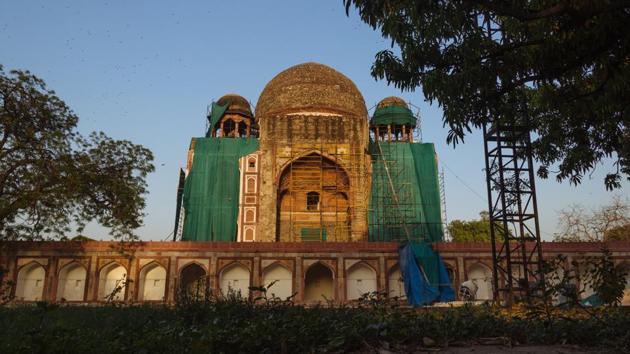
Tomb of Khane-i-Khana is located in Nizamuddin East and was built in the honour of Abdul Rahim Khane-i-Khana who was one of the Navratnas of Akbar’s court. It is currently under extensive restoration to restore its former glory under a public-private partnership. (Vageesh Lall/HT Photo)
7 / 11
 View Photos in a new improved layout
Updated on Apr 18, 2017 03:19 pm IST
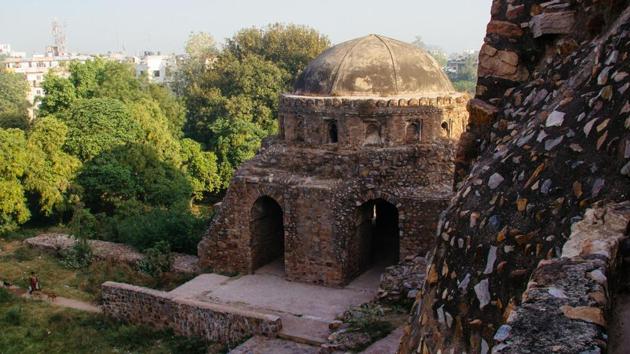
Bijay Mandal ruins which are located in Begumpur village were part of Jahanpanah. According to Ibn Batuta, the medieval historian, this structure served as a large public audience hall while other records claim it was built to monitor troops of the Tughlaq dynasty. (Vageesh Lall/HT Photo)
8 / 11
 View Photos in a new improved layout
Updated on Apr 18, 2017 03:19 pm IST
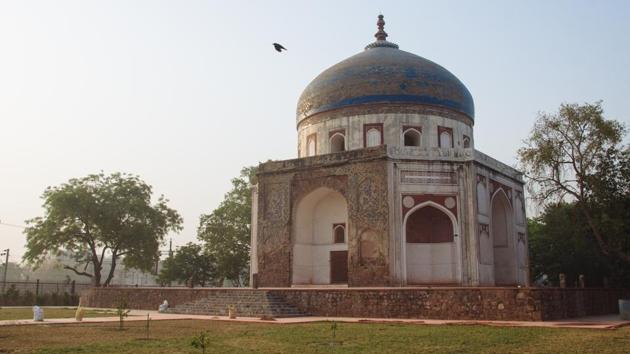
Neela Gumbad is one of the oldest remnants of the Mughal era in Delhi. Completed in 1625, it is located next to the Nizamuddin Railway Station behind the Humayun tomb complex. (Vageesh Lall/HT Photo)
9 / 11
 View Photos in a new improved layout
Updated on Apr 18, 2017 03:19 pm IST
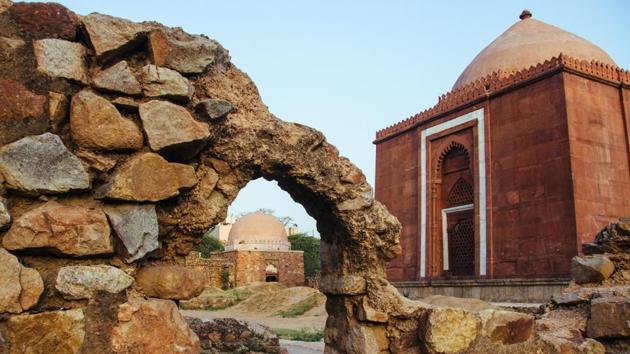
Lal Gumbad was built in the memory of Shaikh Kabbiruddin Auliya a Sufi poet who lived during the reign of the Tughlaqs. A beautiful sandstone structure, it is considered to be a small scale replica of the tomb of Ghiyasuddin Tughluq and is located in Malviya Nagar. (Vageesh Lall/HT Photo)
10 / 11
 View Photos in a new improved layout
Updated on Apr 18, 2017 03:19 pm IST
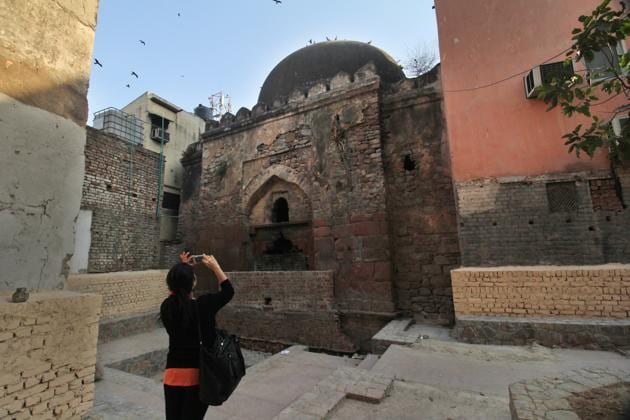
Do Sirhiya Monument in New Delhi is a lessor known Lodhi-era monument located in Nizamuddin Basti completely surrounded by houses. (Sanchit Khanna/Ht photo)
11 / 11
 View Photos in a new improved layout
Updated on Apr 18, 2017 03:19 pm IST