
 E-Paper



Photos: Indian mothers campaign to end breastfeeding stigma
A new report released by UNICEF and the World Health Organization Tuesday ahead of World Breastfeeding Week (1 Aug – 7 Aug) has underscored the benefits of nursing babies from the word go. But breastfeeding in public carries a social stigma in much of the world. And in highly conservative India it is particularly taboo. Now, a petition brought in a nine-month-old’s name and currently before the Delhi High Court aim to chip away at negative attitudes towards this early childhood necessity.
Updated on: Aug 07, 2018 12:02 PM IST

Share via


Copy link

1/9
 View Photos in a new improved layout
Updated on Aug 07, 2018 12:02 PM
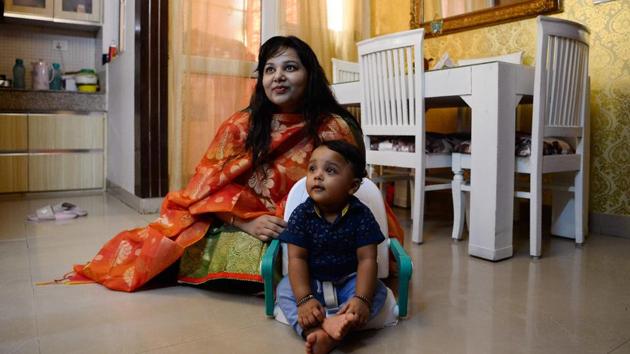
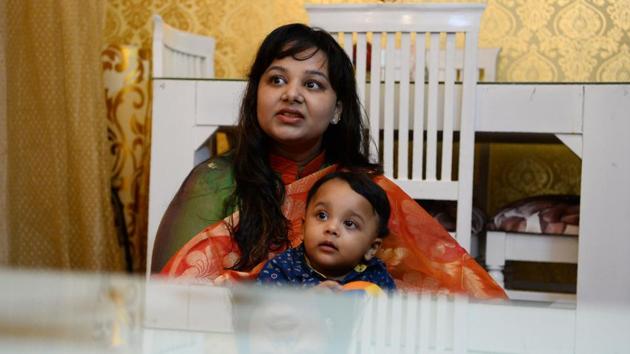
Neha Rastogi with her nine-month-old son Avyaan during an interview at their residence in Noida. Clutching a toy, Avyaan’s conversation is pretty much limited to a happy gurgle, but the nine-month-old might be about to go down in history for helping make breastfeeding in public more socially acceptable in India. (Sajjad Hussain / AFP)
2/9
 View Photos in a new improved layout
Updated on Aug 07, 2018 12:02 PM
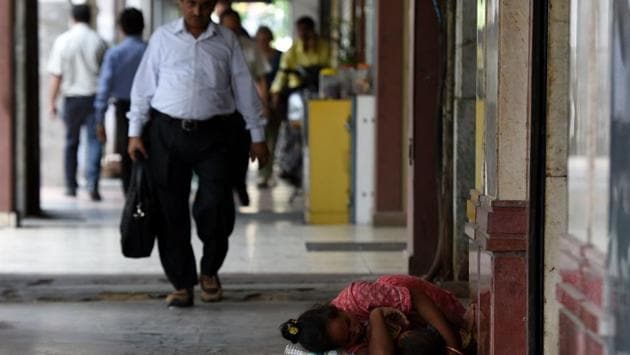
A woman (R) who sells small items at traffic junctions, breastfeeds her baby in New Delhi. Public breastfeeding carries a social stigma in much of the world -- which World Breastfeeding Week until August 7 hopes to change -- but in India it is particularly taboo. Even a glimpse of a breast during feeding is a strict no-no, all too often inviting demands to desist and even unwanted advances. (Money Sharma / AFP)
3/9
 View Photos in a new improved layout
Updated on Aug 07, 2018 12:02 PM
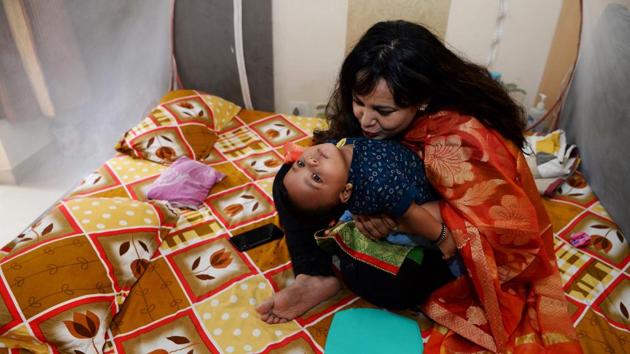
This is what a petition brought in Avyaan’s name -- by his lawyer parents Neha and Animesh Rastogi -- and currently before the Delhi High Court is aimed at chipping away at. “I was flying to Bangalore and my co-passengers were male. My son was exclusively on breast milk and it was so difficult to feed him there,” Neha Rastogi, 30, told AFP at her home. (Sajjad Hussain / AFP)
4/9
 View Photos in a new improved layout
Updated on Aug 07, 2018 12:02 PM
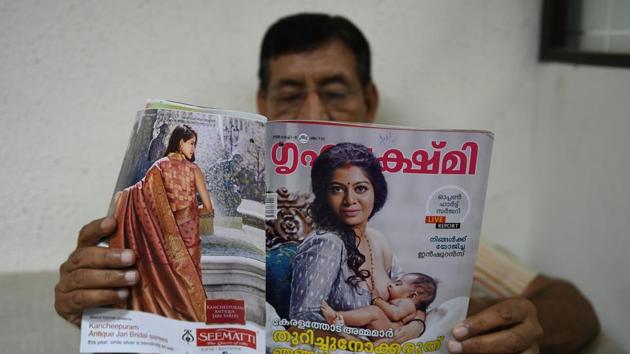
“We want the government to set aside space in flights and at all public places because we can’t feed in the open simply because breast is just seen as a sexual organ,” Neha said. This was also what Gilu Joseph, an actress from Kerala, was trying to alter when she posed with a baby at her bare breast on a magazine cover earlier this year. (Money Sharma / AFP)
5/9
 View Photos in a new improved layout
Updated on Aug 07, 2018 12:02 PM
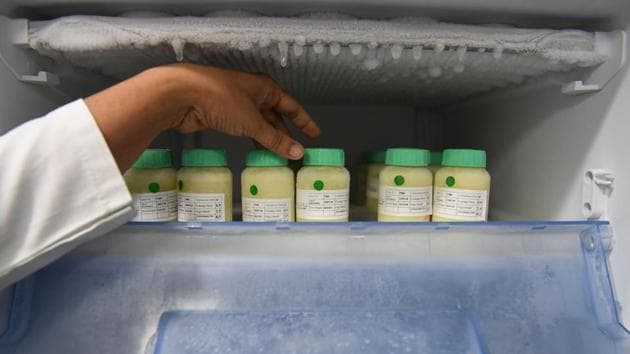
Roopam Gupta, a working mother, faced hostility when she started expressing milk for her six-month-old daughter in the car coming home from work. The driver “tried to put up covers inside the car,” Gupta told AFP. Her place of work though is helping to fight back -- the Fortis La Femme hospital, is home to Delhi’s first “milk bank” for mothers, set up in 2016 but still only one of a handful. (Sajjad Hussain / AFP)
6/9
 View Photos in a new improved layout
Updated on Aug 07, 2018 12:02 PM
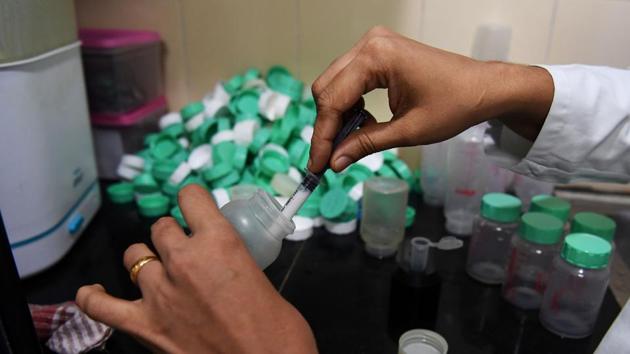
A nurse extracts breast milk from a bottle before checking its quality at Fortis La Femme hospital. The Amaara facility collects breast milk from donor women who pump it at home. It is then pasteurised and provided to newborns in hospital or to mothers unable to breastfeed. A report released by UNICEF and the WHO ahead of World Breastfeeding Week underscored the benefits of nursing babies. (Sajjad Hussain / AFP)
7/9
 View Photos in a new improved layout
Updated on Aug 07, 2018 12:02 PM
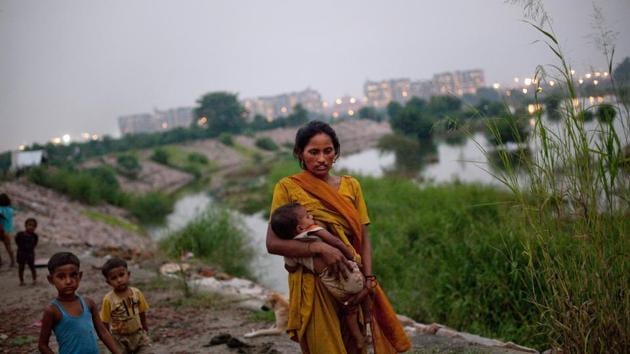
A woman breastfeeds as she walks in a shanty encampment for labourers near the site of the Commonwealth Games village in New Delhi. The restrictive atmosphere prompts many mothers to stay at home, exposing them to the risk of postnatal depression, while also acting as a brake on getting women into the workforce. (Daniel Berehulak / Getty Images)
8/9
 View Photos in a new improved layout
Updated on Aug 07, 2018 12:02 PM
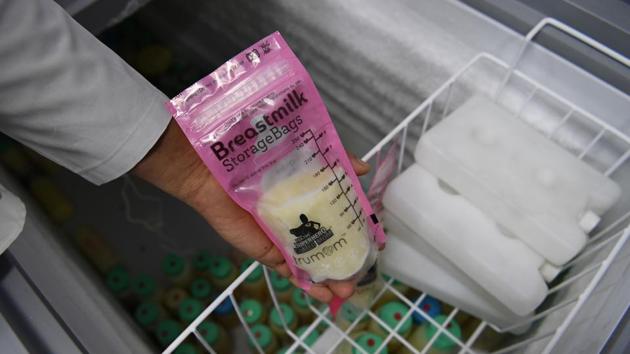
A nurse holds a packet of breast milk stored in a freezer at a milk bank at Fortis La Femme hospital. “We must urgently scale up support to mothers -- be it from family members, health care workers, employers and governments, so they can give their children the start they deserve,” WHO director general Tedros Adhanom Ghebreyesus said in the report. (Sajjad Hussain / AFP)
9/9
 View Photos in a new improved layout
Updated on Aug 07, 2018 12:02 PM


