
 E-Paper



Photos: Life on the shrinking Ghoramara Island in the Sundarbans delta
The tiny island of Ghoramara, part of the Sundarbans delta on the Bay of Bengal has nearly halved in size owing to rising sea levels and soil erosion induced by adverse climatic impact. As flooding worsens, year after year, a constant threat of losing homes and livelihoods looms large over the island’s inhabitants. Many want to leave their homes but say they simply can’t afford private relocations. The population of the island which was estimated to be 7000, a decade ago has shrunk to 4,800 today.
Updated on: Dec 1, 2018 1:26 PM IST


Share via


Copy link

1/11
 View Photos in a new improved layout
Updated on Dec 1, 2018 1:26 PM
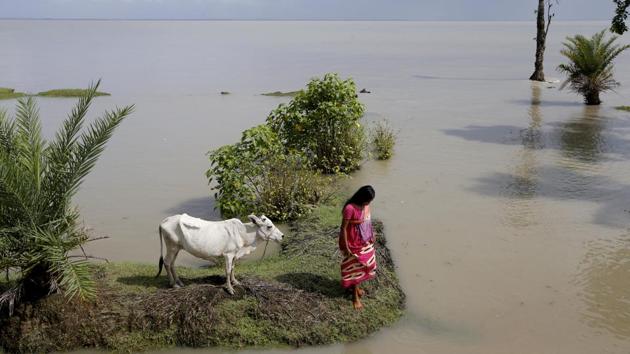
A woman walks towards an embankment after tying her cow to higher ground during high tide on Ghoramara Island. Residents of the island want to leave their home as it shrinks every year due to rising seas, but many say they can’t afford it. The 4.6 sq km island, part of the Sundarbans delta on the Bay of Bengal, has nearly halved in size over the past two decades, according to village elders. (Rupak De Chowdhuri / REUTERS)
2/11
 View Photos in a new improved layout
Updated on Dec 1, 2018 1:26 PM
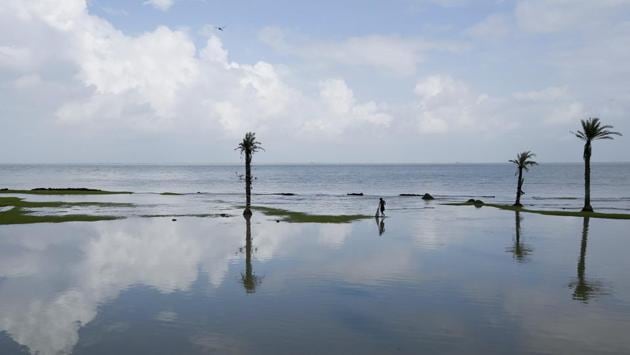
A boy catches fish during high tide. The Sundarbans, shared by India and Bangladesh, include the world’s largest mangrove forest as well as rare or endangered tigers, dolphins, birds and reptiles. (Rupak De Chowdhuri / REUTERS)
3/11
 View Photos in a new improved layout
Updated on Dec 1, 2018 1:26 PM
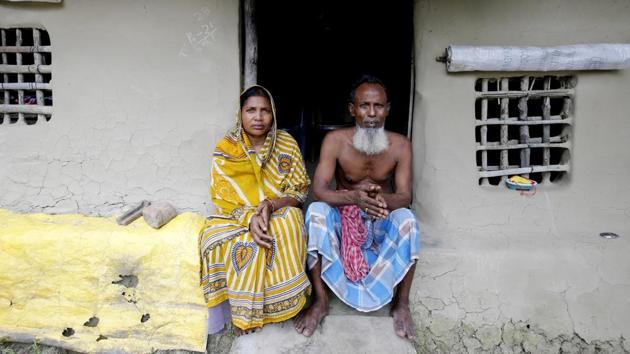
Sheikh Aftab Uddin, 66, and his wife Mamta Bibi, 50, outside their new mud house after their previous house was washed away due to high tides. “If government gives rehabilitation I will leave,”Aftab Uddin said. The tiny island is home to 4,800 people, down from 7,000 a decade ago. (Rupak De Chowdhuri / REUTERS)
4/11
 View Photos in a new improved layout
Updated on Dec 1, 2018 1:26 PM
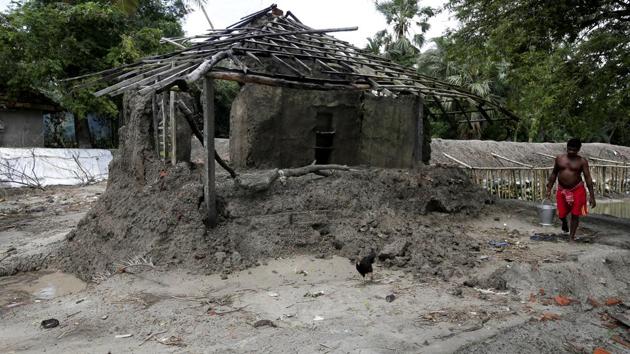
A man walks past a house which was damaged by a high tide. Ghoramara is among many islands in the delta affected by rising sea levels and soil erosion which experts say is caused by climate change. (Rupak De Chowdhuri / REUTERS)
5/11
 View Photos in a new improved layout
Updated on Dec 1, 2018 1:26 PM
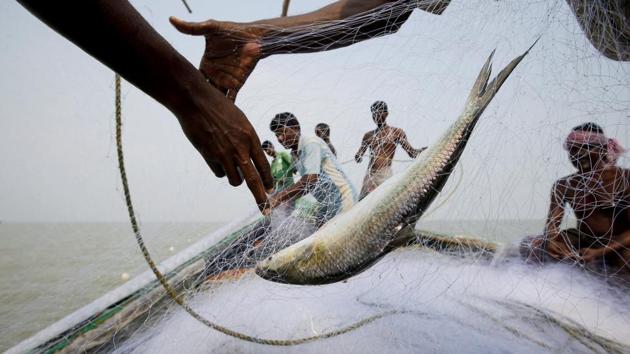
A hilsa fish is seen as fishermen pull the net on a boat. Floods have churned the island’s shoreline into mud fringed with broken coconut palms. Fishermen cast their nets to try to take advantage of the rising waters. (Rupak De Chowdhuri / REUTERS)
6/11
 View Photos in a new improved layout
Updated on Dec 1, 2018 1:26 PM
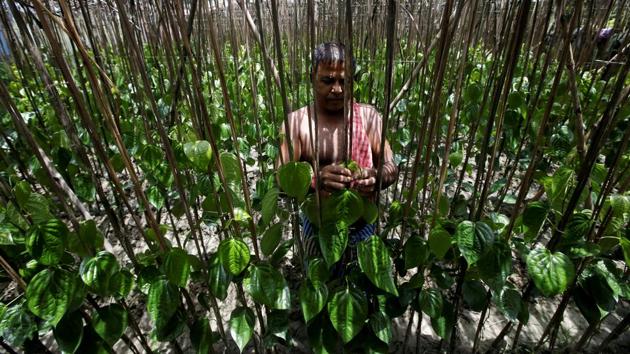
Mihir Kumar Mondal, 51, works inside his betel leaf farm at Ghoramara Island. As well as damaging homes, floods destroy valuable betel leaf crops that many islanders have depended on for a living. “Every year, high-tide salt water enters my farm and destroys my cultivation, so I have to face a big loss,” Mondal said. (Rupak De Chowdhuri / REUTERS)
7/11
 View Photos in a new improved layout
Updated on Dec 1, 2018 1:26 PM
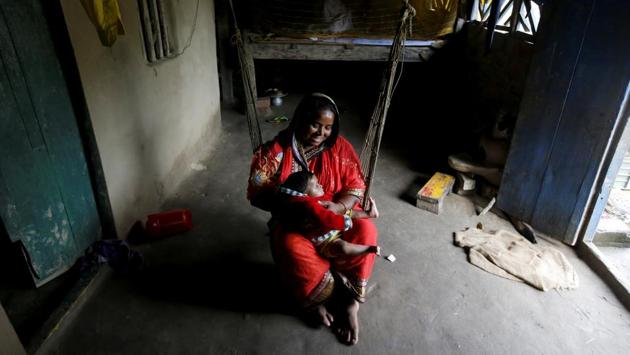
Mumtaz Bibi, 40, plays with her five-month-old granddaughter Nabina Khatun inside their house. “If a tsunami or a big cyclone hits this island we will be finished,” said Panchayat Sanjib Sagar, village leader on the island. (Rupak De Chowdhuri / REUTERS)
8/11
 View Photos in a new improved layout
Updated on Dec 1, 2018 1:26 PM
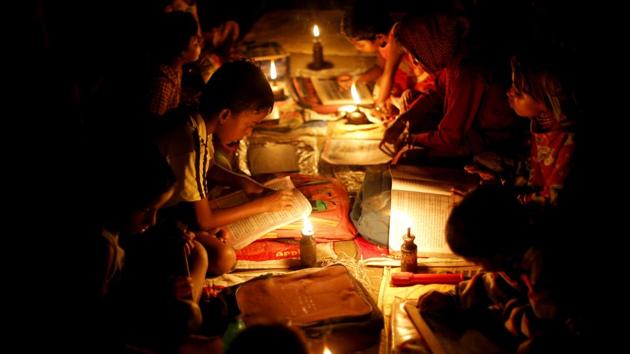
Students read their books and write under kerosene oil lamps on Ghoramara Island. Residents say the flood waters are getting worse, threatening their homes and livelihoods. (Rupak De Chowdhuri / REUTERS)
9/11
 View Photos in a new improved layout
Updated on Dec 1, 2018 1:26 PM
Muslim men participate in a Muharram procession. Two people in the office of Javed Ahmed Khan, the minister in charge of disaster management in the state government of West Bengal, declined to comment on whether it had any plans to relocate inhabitants. (Rupak De Chowdhuri / REUTERS)
10/11
 View Photos in a new improved layout
Updated on Dec 1, 2018 1:26 PM
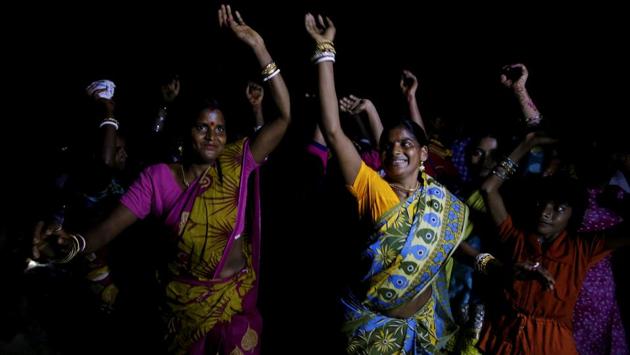
Hindu women dance in a procession during Laxmi Puja festival. Climate change experts say the entire island population will have to be relocated one day. (Rupak De Chowdhuri / REUTERS)
11/11
 View Photos in a new improved layout
Updated on Dec 1, 2018 1:26 PM


