
 E-Paper



Photos: Rhino census shows numbers rising in Assam, activists raise doubts
A total of 102 rhinos have been counted in Pobitora Wildlife Sanctuary, up from 93 during the last count, during the latest census carried out by the state's forest department. This one-horned rhino census came after a gap of six years in the sanctuary, which has vast tracks of swamp land. Forest authorities on Monday have now begun a two-day rhino census at the Kaziranga National Park. And while authorities say rhino numbers appear to be rising, RTI activists in the state have come out raising concerns of inflated numbers in line with international conservation targets and in an attempt to deflect public anger against poaching.
Updated on: Mar 27, 2018 10:54 AM IST


Share via


Copy link

1/9
 View Photos in a new improved layout
Updated on Mar 27, 2018 10:54 AM
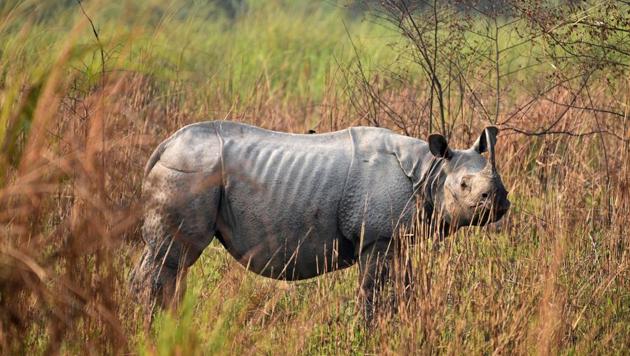
A one-horned rhinoceros is seen at the Kaziranga National Park in Assam. The Kaziranga National Park, on Monday, began a two-day rhino census which will be conducted in all of the park’s ranges. A similar census reported just last week from the Pobitora Wildlife Sanctuary showed 102 one-horned rhinos now living in the park, up from 93 during the last count in 2012. (Anuwar Hazarika / REUTERS)
2/9
 View Photos in a new improved layout
Updated on Mar 27, 2018 10:54 AM
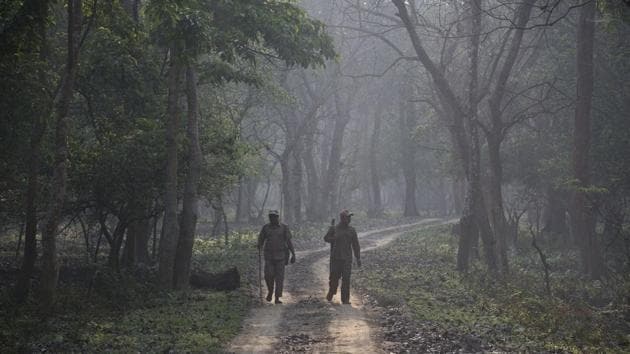
Forest officials on patrol during a rhino census at the Pobitora Wildlife Sanctuary in Assam. The rhino census is a regular exercise carried out every three years. While the last census of the one-horned rhinos at Pobitora was carried out in 2012, Kaziranga’s last census in 2015 showed 2,401 rhinos in the national park. (Anupan Nath / AP)
3/9
 View Photos in a new improved layout
Updated on Mar 27, 2018 10:54 AM
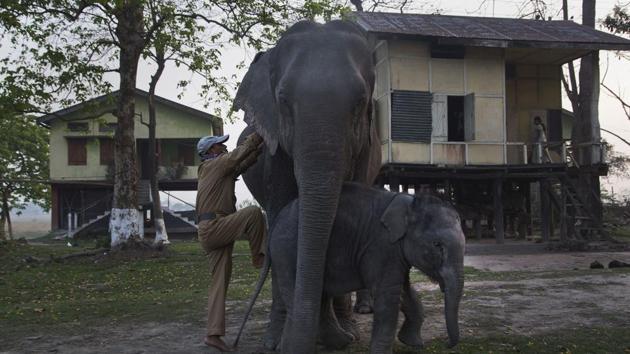
The northeastern state of Assam is known for its one-horned rhinoceros population density-- highest in the world. While majority of the rhinos in the state are in Kaziranga national park--the Pobitora wildlife sanctuary, located within a 30 km radius of Guwahati and Manas national park, also provide spectacular opportunities for tourists to witness the one-horned herbivore. (Anupam Nath / AP)
4/9
 View Photos in a new improved layout
Updated on Mar 27, 2018 10:54 AM
Forest officials survey on elephant back during a rhino census at the Kaziranga National Park, in Golaghat district. More than 40 elephants and 17 SUVs are being used for the exercise and the park has been categorised into 74 compartments for it. (Anuwar Hazarika / REUTERS)
5/9
 View Photos in a new improved layout
Updated on Mar 27, 2018 10:54 AM
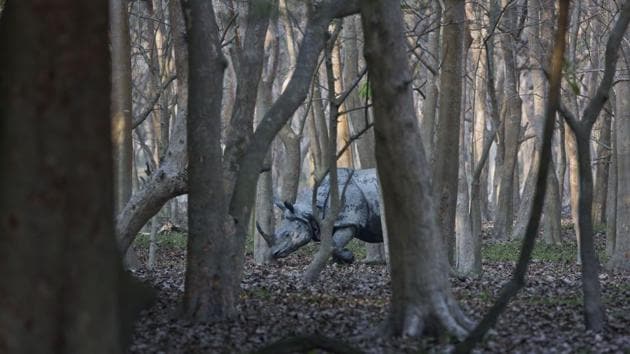
A one-horned rhinoceros seen in the woods at the Pobitora Wildlife Sanctuary. “The number of growth is encouraging. We have recorded presence of 102 rhinos. Apart from this, six rhinos have been killed in and around the park since 2012 and 20 of them died their natural deaths,” a senior official at the sanctuary said. (Anupam Nath / AP)
6/9
 View Photos in a new improved layout
Updated on Mar 27, 2018 10:54 AM
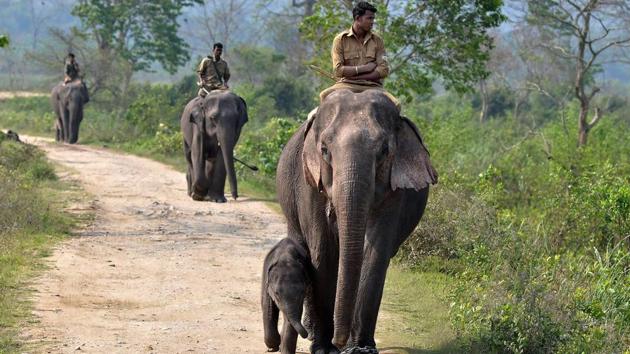
Forest officials ride atop elephants accompanied by their calves as they conduct the rhino census in Kaziranga National Park. Faced with poaching, the Indian government has granted forest guards at Kaziranga extraordinary powers that give them considerable immunity from protection against prosecution if they shoot and kill poachers at the park. (PTI)
7/9
 View Photos in a new improved layout
Updated on Mar 27, 2018 10:54 AM
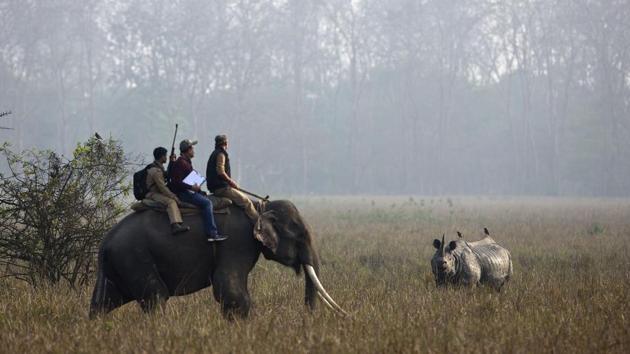
Rhino census exercises in Assam have however not been without controversy. On March 21, a group of RTI activists in the state demanded a more transparent census process, accusing the forest department of presenting inflated numbers of rhinos to match the goals of ‘Rhino Vision 2020’ and also deflect rising public anger against poaching. (Anupan Nath / AP)
8/9
 View Photos in a new improved layout
Updated on Mar 27, 2018 10:54 AM
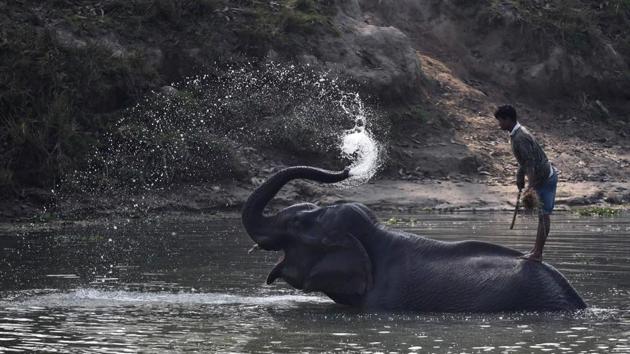
A mahout stands on his elephant as it washes itself after a census of one horn rhinos at the Pobitora Wildlife Sanctuary. Annual floods triggered by torrential rain are important to the rejuvenation of the swamps and ponds that sustain the animals but have occasionally proved devastating to their populations. Kaziranga lost 361 animals, including 31 rhinos, in the 2017 floods that swamped the Unesco world heritage site. (Biju Boro / AFP)
9/9
 View Photos in a new improved layout
Updated on Mar 27, 2018 10:54 AM


