
 E-Paper



Photos: Rushing to save heritage havelis in Bikaner
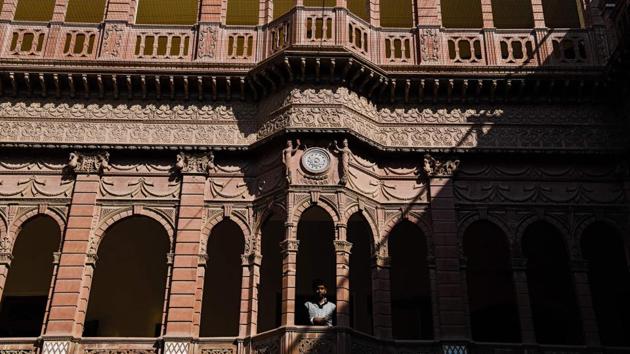
The resplendent mansions of Bikaner once hosted royalty and wealthy merchants passing through India's deserts with their caravans, but centuries later these bygone architectural masterpieces are crumbling. Made from distinctive red sandstone, these once grand residences known as 'havelis' were famed for their vivid facades engraved with intricate patterns.
Updated on: Apr 9, 2019 4:59 PM IST


Share via


Copy link

1/10

 View Photos in a new improved layout
Updated on Apr 9, 2019 4:59 PM
A man stands outside a haveli in the old quarters of Bikaner, in the state of Rajasthan. First built in the 15th century by Bikaner’s bygone aristocracy, many boasted multiple levels, large balconies, and grand rooms built around a central courtyard, enclosed to escape the summer heat. But after decades of neglect, a large number lie in ruins. (Chandan Khanna / AFP)
2/10
 View Photos in a new improved layout
Updated on Apr 9, 2019 4:59 PM
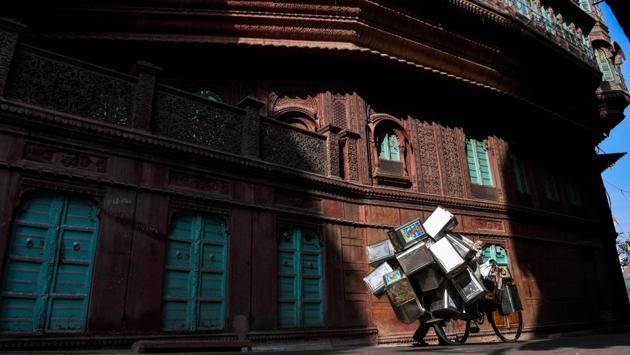
A scrap collector pushes his bike past the Rampuriya haveli in Bikaner. “Many havelis have vanished in front of our eyes,” said Gopal Singh, who runs heritage walks in Bikaner, adding that in its heyday, the city had more than 1000 such residences. “What exists is unique. Not just for its intricate architecture but just because of the overall concentration in one single place,” he explained. (Chandan Khanna / AFP)
3/10
 View Photos in a new improved layout
Updated on Apr 9, 2019 4:59 PM
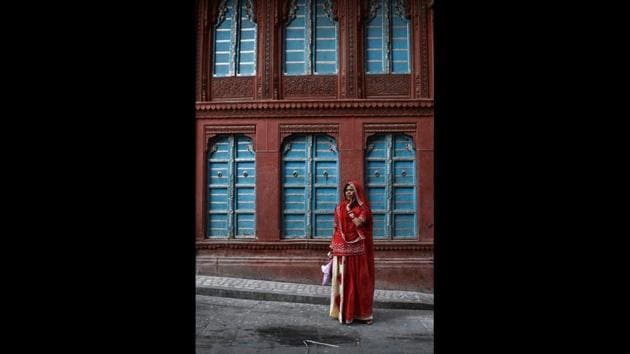
A woman stands outside the Rampuriya haveli. Such decay is not confined to Bikaner, with historic residences falling apart in other major Indian cities where the old quarters have been felled by rapid urban development. In India’s only UNESCO heritage listed city, Ahmedabad, efforts have been made to preserve the clusters of settlements identified as having huge historic value. (Chandan Khanna / AFP)
4/10
 View Photos in a new improved layout
Updated on Apr 9, 2019 4:59 PM
An elderly man sits outside a haveli in Bikaner. But there has been little cash or interest in saving the havelis of Bikaner, a once fabled desert outpost where the sands of Rajasthan skirt the city’s ramparts. Some 500 kilometres southwest of New Delhi, today it struggles to attract tourist interest and seems largely untouched by India’s recent economic success. (Chandan Khanna / AFP)
5/10
 View Photos in a new improved layout
Updated on Apr 9, 2019 4:59 PM
Some families have taken matters into their own hands, reconstructing the dilapidated manors and reinventing them as hotels and guesthouses. “We decided to open this so that others too can experience living in a haveli, and it becomes more manageable for us to maintain this huge property,” said Manisha Maloo, whose family manages a popular homestay in the old city. (Chandan Khanna / AFP)
6/10
 View Photos in a new improved layout
Updated on Apr 9, 2019 4:59 PM
A lack of concern about proper preservation has been compounded by overcrowding, poor city planning, as well as inadequate drainage and waste disposal. “It has been a long struggle for us to get the public and government’s attention to the havelis of Bikaner,” said Singh. (Chandan Khanna / AFP)
7/10
 View Photos in a new improved layout
Updated on Apr 9, 2019 4:59 PM
A few families still reside in their ancestral estates and invite tourists in so they can learn about the heritage and history of the area. “They come here and are so amazed and excited at the unique colours, heritage and design of our home,” said Rachna Mohta, who greets visitors on walking tours in Bikaner to her palatial 150-year-old haveli home. (Chandan Khanna / AFP)
8/10
 View Photos in a new improved layout
Updated on Apr 9, 2019 4:59 PM
A girl makes a sketch as she sits outside a haveli. But maintaining the huge, creaking homes saps money and energy. Many buildings have collapsed from years of neglect; others hang on by a thread. (Chandan Khanna / AFP)
9/10
 View Photos in a new improved layout
Updated on Apr 9, 2019 4:59 PM
A waiter walks inside the dining room of the Bhanwar Niwas. “We opened our haveli for tourists as a way to better protect our heritage, and to let people live our ancestors’ experience,” Sunil Rampuria, whose family owns Bhanwar Niwas, one of the region’s grandest and earliest havelis converted into a hotel, told AFP. (Chandan Khanna / AFP)
10/10
 View Photos in a new improved layout
Updated on Apr 9, 2019 4:59 PM


