

 E-Paper


Djinns of Delhi
1 / 10
 View Photos in a new improved layout
Updated on Nov 16, 2014 01:56 pm IST
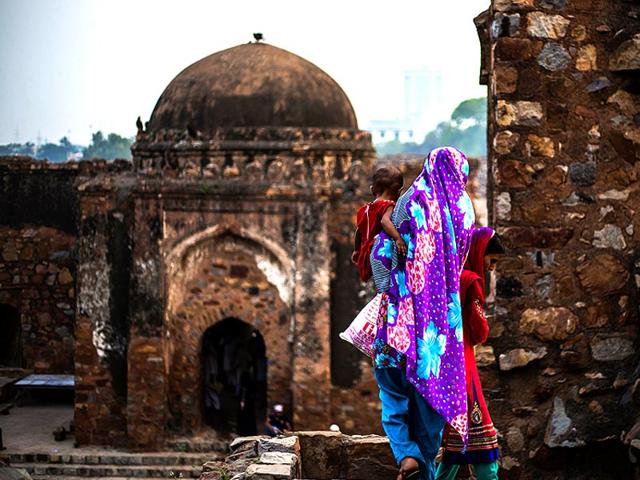
Built by Sultan Feroz Shah Tughlaq in the fourteenth century, the ruins of the fort today rest nestled between a cricket stadium and Delhi’s Ring Road. (Abhishek Saha/HT Photo)
2 / 10
 View Photos in a new improved layout
Updated on Nov 16, 2014 01:56 pm IST
Every Thursday, a huge crowd visits the Feroz Shah Kotla ruins to pay their obeisance to the djinns—they pray, light candles and diyas, and write letters. (Abhishek Saha/HT Photo)
3 / 10
 View Photos in a new improved layout
Updated on Nov 16, 2014 01:56 pm IST
In the background of the diyas, there lies a letter to the djinns. (Abhishek Saha/HT Photo)
4 / 10
 View Photos in a new improved layout
Updated on Nov 16, 2014 01:56 pm IST
A man kneels down and prays to the djinns. (Abhishek Saha/HT Photo)
5 / 10
 View Photos in a new improved layout
Updated on Nov 16, 2014 01:56 pm IST
A djinn-worship session under away at the Kotla. (Abhishek Saha/HT Photo)
6 / 10
 View Photos in a new improved layout
Updated on Nov 16, 2014 01:56 pm IST
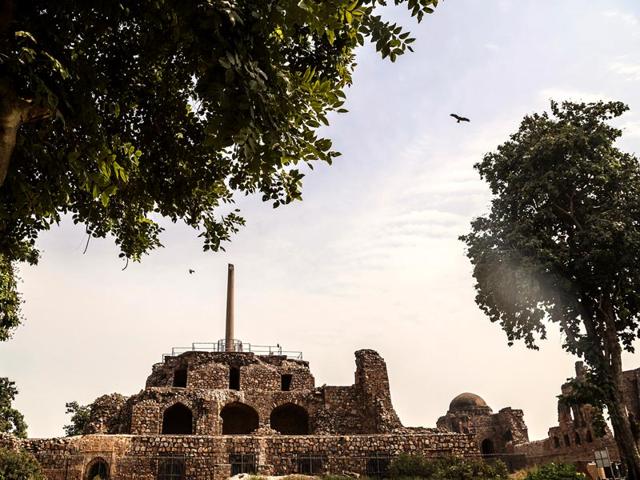
The ‘Minar-e-Zarreen’, a 13.1 metres high polished sandstone pillar originally erected by Emperor Ashoka in Ambala, Haryana in the third century BC, was centuries later lifted to Kotla on the orders of Sultan Feroz Shah Tughlaq. (Abhishek Saha/HT Photo)
7 / 10
 View Photos in a new improved layout
Updated on Nov 16, 2014 01:56 pm IST
Popular belief goes that Laat (pillar) waale Baba, the chief of the Kotla djinns, dwells in the Minar-e-Zarreen. People crane themselves putting a hand through the railing, because they believe that a wish asked for while touching the pillar will be granted. (Abhishek Saha/HT Photo)
8 / 10
 View Photos in a new improved layout
Updated on Nov 16, 2014 01:56 pm IST
Letters written to Laat waale Baba are left tied to the railing protecting the more than 2000-year old pillar. (Abhishek Saha/HT Photo)
9 / 10
 View Photos in a new improved layout
Updated on Nov 16, 2014 01:56 pm IST
Another ritual that associated with djinn worshiping in Feroz Shah Kotla is the sticking of coins on the ancient walls. (Abhishek Saha/HT Photo)
10 / 10
 View Photos in a new improved layout
Updated on Nov 16, 2014 01:56 pm IST