
 E-Paper



10 ways menopause affects your sleep, lifestyle changes to make
Menopause can cause a variety of uncomfortable symptoms from night sweats to trouble falling asleep which can affect your quality of sleep.
Published on: Apr 28, 2023 4:16 PM IST


Share via


Copy link

1/12

 View Photos in a new improved layout
Published on Apr 28, 2023 4:16 PM
"Menopause is a natural biological process that marks the end of a woman's reproductive years. It is typically characterised by a series of hormonal changes, which can have a significant impact on sleep quality," says Tammana Singh, Menopause Coach & Founder, Menoveda while sharing how menopause affects your sleep pattern and tips to manage it. (Pexels)
2/12
 View Photos in a new improved layout
Published on Apr 28, 2023 4:16 PM
Hot flashes and night sweats: These sudden and intense bursts of heat can occur during sleep and cause discomfort, resulting in frequent awakenings. To manage them, avoid spicy foods, alcohol, caffeine, and smoking, as they can trigger hot flashes. (Shutterstock)
3/12
 View Photos in a new improved layout
Published on Apr 28, 2023 4:16 PM
Insomnia: Menopause can cause difficulty falling asleep and staying asleep. To manage insomnia, establish a relaxing bedtime routine, such as taking a warm bath, reading a book, or listening to calming music before sleep. (Shutterstock)
4/12
 View Photos in a new improved layout
Published on Apr 28, 2023 4:16 PM
Mood changes: Hormonal changes during menopause can lead to mood swings, anxiety, and depression, which can disrupt sleep. To manage mood changes, practice stress-reducing activities such as meditation or yoga. (Unsplash)
5/12
 View Photos in a new improved layout
Published on Apr 28, 2023 4:16 PM
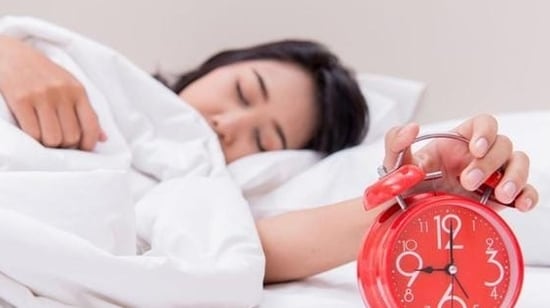
Snoring and sleep apnea: The hormonal changes during menopause can lead to changes in airway muscles, causing snoring and sleep apnea. To manage these conditions, maintain a healthy weight, avoid alcohol and sedatives, and sleep on your side. (Shutterstock)
6/12
 View Photos in a new improved layout
Published on Apr 28, 2023 4:16 PM
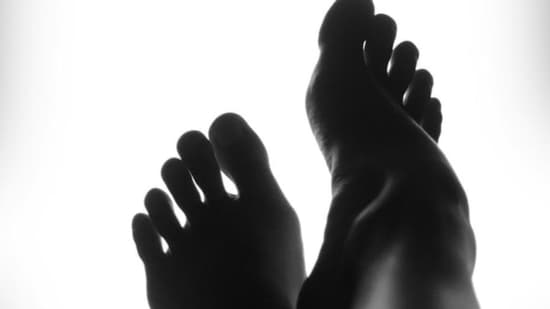
Restless leg syndrome: Menopause can trigger restless leg syndrome, causing unpleasant sensations and an urge to move the legs, which can interfere with sleep. To manage this condition, avoid caffeine, alcohol, and nicotine, and practice regular exercise. (Unsplash)
7/12
 View Photos in a new improved layout
Published on Apr 28, 2023 4:16 PM
Fatigue: Sleep disturbances during menopause can lead to daytime fatigue and drowsiness. To manage fatigue, take short naps during the day and avoid large meals, caffeine, and alcohol before bedtime. (Shutterstock)
8/12
 View Photos in a new improved layout
Published on Apr 28, 2023 4:16 PM
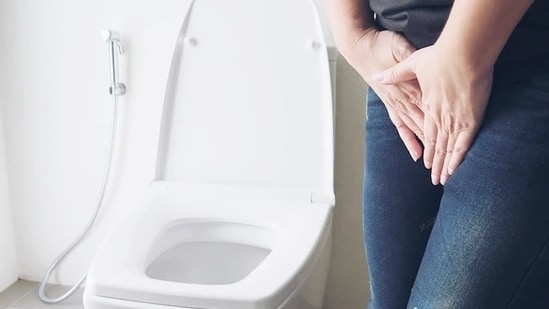
Urinary problems: Menopause can cause urinary problems such as frequent urination, urgency, and incontinence, which can disrupt sleep. To manage these problems, limit fluids before bedtime, practice pelvic floor exercises, and consult with a healthcare provider for treatment options. (Freepik)
9/12
 View Photos in a new improved layout
Published on Apr 28, 2023 4:16 PM
Medications: Certain medications used to manage menopause symptoms, such as antidepressants and hormone replacement therapy, can affect sleep quality. To manage medication-related sleep disturbances, consult with a healthcare provider to discuss possible alternatives or adjusting the dose or timing of the medication. (Unsplash)
10/12
 View Photos in a new improved layout
Published on Apr 28, 2023 4:16 PM
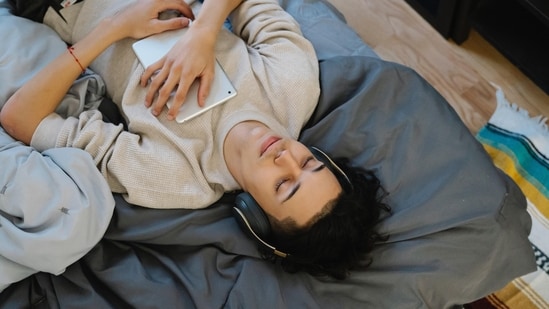
Environmental factors: Sleep disturbances can be exacerbated by environmental factors such as noise, light, and temperature. To manage these factors, create a comfortable sleep environment, such as using blackout curtains, earplugs, and a comfortable mattress and pillow. (Pexels)
11/12
 View Photos in a new improved layout
Published on Apr 28, 2023 4:16 PM
Lifestyle changes: Making healthy lifestyle changes such as eating a healthy diet, exercising regularly, and avoiding tobacco and alcohol can help improve sleep quality during menopause. (istockphoto)
12/12
 View Photos in a new improved layout
Published on Apr 28, 2023 4:16 PM


