
 E-Paper



Proven health benefits of olive oil
It is important to choose extra virgin olive oil, as it undergoes minimal processing and retains the highest levels of beneficial compounds.
Published on: May 31, 2023 10:07 AM IST


Share via


Copy link

1/8
 View Photos in a new improved layout
Published on May 31, 2023 10:07 AM
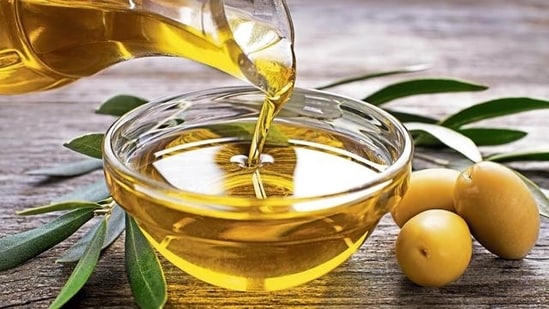
Olive oil has been recognized for its numerous health benefits and has been a staple of the Mediterranean diet for centuries. Here are some of the proven health benefits associated with olive oil: (File Photo)
2/8
 View Photos in a new improved layout
Published on May 31, 2023 10:07 AM
Reduced risk of stroke: Studies have suggested that a higher intake of olive oil is associated with a reduced risk of stroke. The anti-inflammatory and antioxidant properties of olive oil, along with its beneficial effects on cholesterol levels and blood pressure, contribute to its potential protective role against stroke. (Pixabay)
3/8
 View Photos in a new improved layout
Published on May 31, 2023 10:07 AM
Weight management: Despite being calorie-dense, olive oil may actually support weight management when consumed in moderation. The monounsaturated fats in olive oil can increase satiety and promote a feeling of fullness, potentially reducing overall calorie intake. (Unsplash)
4/8
 View Photos in a new improved layout
Published on May 31, 2023 10:07 AM
Anti-inflammatory effects: The phenolic compounds found in olive oil, including oleocanthal, have been shown to possess anti-inflammatory properties similar to non-steroidal anti-inflammatory drugs (NSAIDs). Regular consumption of olive oil may help reduce chronic inflammation and the risk of inflammatory diseases. (iStock)
5/8
 View Photos in a new improved layout
Published on May 31, 2023 10:07 AM
Heart health: Olive oil is rich in monounsaturated fats, specifically oleic acid, which is known to reduce the risk of heart disease. Consuming olive oil as a replacement for saturated and trans fats can help lower bad cholesterol levels (LDL) and increase good cholesterol levels (HDL). (Twitter/FatherlyHQ)
6/8
 View Photos in a new improved layout
Published on May 31, 2023 10:07 AM
Antioxidant properties: Olive oil contains powerful antioxidants, such as vitamin E and phenolic compounds, which help protect cells from damage caused by free radicals. These antioxidants have anti-inflammatory effects and may reduce oxidative stress in the body. (Shutterstock)
7/8
 View Photos in a new improved layout
Published on May 31, 2023 10:07 AM
Brain health: Some research suggests that regular consumption of olive oil may have a protective effect on cognitive function and reduce the risk of neurodegenerative diseases such as Alzheimer's and Parkinson's. The antioxidants and anti-inflammatory compounds in olive oil may help combat oxidative stress and inflammation in the brain. (Unsplash)
8/8
 View Photos in a new improved layout
Published on May 31, 2023 10:07 AM


