
 E-Paper



Tips to take care of your plants this rainy season
Regular observation, proper care, and timely adjustments will help your plants thrive even during the rainy season.
Published on: Jun 12, 2023 5:26 PM IST


Share via


Copy link

1/11

 View Photos in a new improved layout
Published on Jun 12, 2023 5:26 PM
Taking care of plants during the rainy season requires some adjustments to ensure their health and well-being. Here are some tips to help you care for your plants during this time: (Unspalsh)
2/11
 View Photos in a new improved layout
Published on Jun 12, 2023 5:26 PM
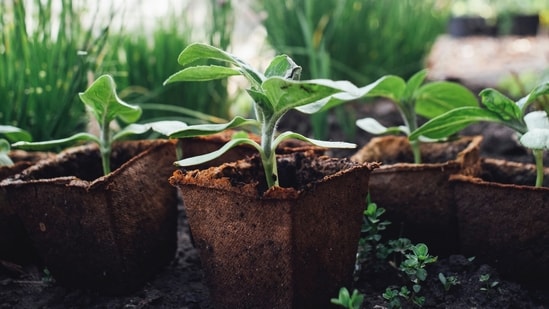
Proper drainage: Ensure that your plants are in well-draining pots or soil beds. Excess water during the rainy season can lead to root rot or fungal diseases. If necessary, consider adding gravel or sand to improve drainage. (Unsplash)
3/11
 View Photos in a new improved layout
Published on Jun 12, 2023 5:26 PM
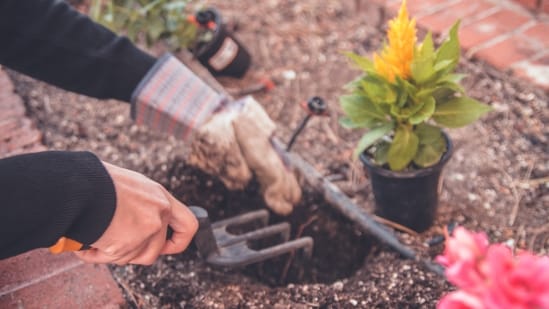
Monitor watering: While it may seem counterintuitive, you may need to reduce the frequency of watering during the rainy season. Monitor the moisture levels of the soil and water only when necessary. Overwatering can suffocate the roots and promote the growth of fungi. (Unsplash)
4/11
 View Photos in a new improved layout
Published on Jun 12, 2023 5:26 PM
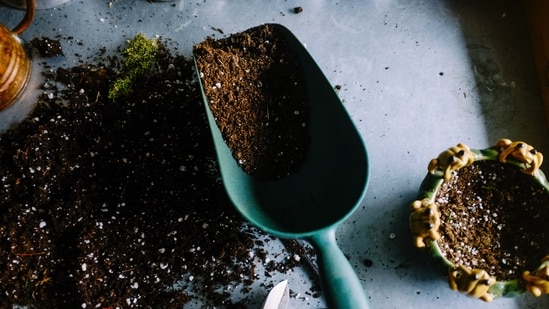
Adjust fertilizer application: During the rainy season, plants may have reduced nutrient requirements due to the increased availability of moisture. Adjust your fertilization schedule accordingly, using a balanced organic fertilizer to provide essential nutrients. (Unsplash)
5/11
 View Photos in a new improved layout
Published on Jun 12, 2023 5:26 PM
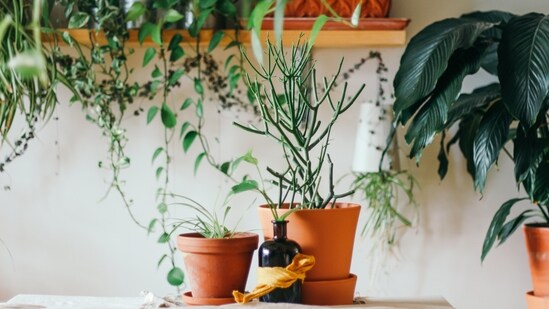
Avoid waterlogging: Prevent water from accumulating around your plants by creating proper drainage systems. Ensure that water doesn't stagnate in pots or at the base of plants, as it can cause root rot and attract pests. (Unsplash)
6/11
 View Photos in a new improved layout
Published on Jun 12, 2023 5:26 PM
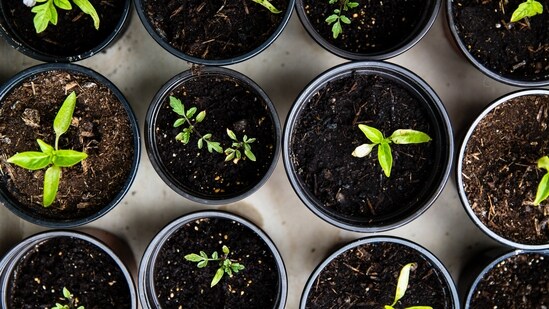
Provide shelter: If you have potted plants or delicate varieties, consider moving them to sheltered areas like balconies, covered patios, or under a roof overhang. This will protect them from excessive rainfall and prevent water damage. (Unsplash)
7/11
 View Photos in a new improved layout
Published on Jun 12, 2023 5:26 PM
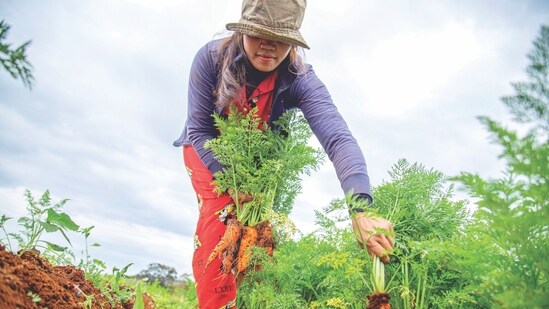
Prune regularly: Trim any dead or diseased branches to prevent the spread of diseases. Pruning also allows better air circulation and light penetration, which can reduce the risk of fungal infections. (Unsplash)
8/11
 View Photos in a new improved layout
Published on Jun 12, 2023 5:26 PM
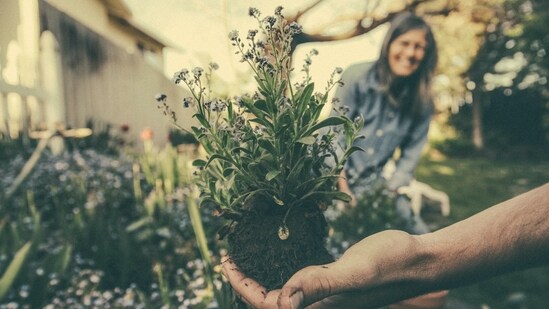
Use organic mulch: Apply a layer of organic mulch around the base of your plants to prevent soil erosion, retain moisture, and suppress weed growth. Mulch also acts as a protective barrier against heavy raindrops that could damage delicate plants. (Unsplash)
9/11
 View Photos in a new improved layout
Published on Jun 12, 2023 5:26 PM
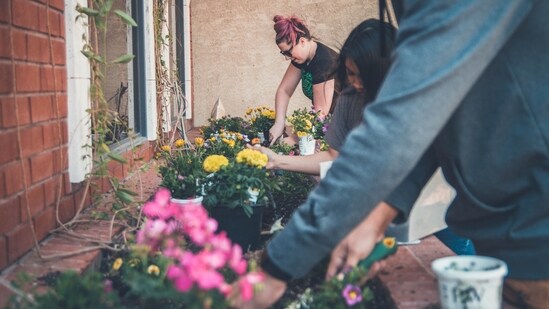
Watch out for pests and diseases: Rainy seasons can bring an increased risk of pests and diseases. Keep a close eye on your plants for any signs of infestation or infection. If necessary, use organic pest control methods or consult with a local nursery for suitable treatments. (Unsplash)
10/11
 View Photos in a new improved layout
Published on Jun 12, 2023 5:26 PM
Maintain good air circulation: Trim or remove any overgrown vegetation or weeds around your plants to improve air circulation. Good airflow helps prevent the formation of moisture pockets that can lead to fungal problems. (Unsplash)
11/11
 View Photos in a new improved layout
Published on Jun 12, 2023 5:26 PM


