
 E-Paper



Pink dolphins rescued using drones in Bolivia's Amazon rainforest| Pics
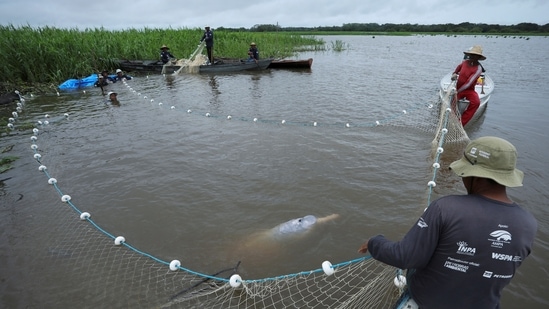
The two dolphins were found languishing in still water ponds-cut off from the Bolivian Amazon's Rio Grande-after they swam inland and the main channel dropped, said a biologist with the rescue program.
Updated on: Oct 18, 2022 10:53 AM IST


Share via


Copy link

1/6
 View Photos in a new improved layout
Updated on Oct 18, 2022 10:53 AM
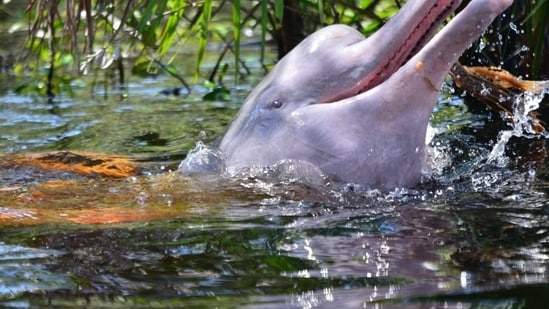
A biologist with the rescue program explained that many pink dolphins lose access to the river because of their reproductive instincts. (Rutaverde.com)
2/6
 View Photos in a new improved layout
Updated on Oct 18, 2022 10:53 AM
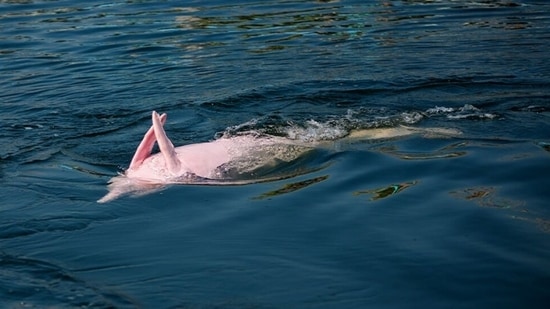
The species is endangered by steady encroachment along the waterways. (Rutaverde.com)
3/6
 View Photos in a new improved layout
Updated on Oct 18, 2022 10:53 AM
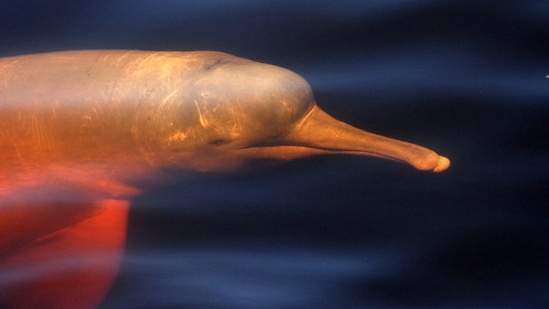
Over the past dozen years nearly 60 trapped pink river dolphins, scientifically known as Inia boliviensis, have been rescued. (whales.org)
4/6
 View Photos in a new improved layout
Updated on Oct 18, 2022 10:53 AM
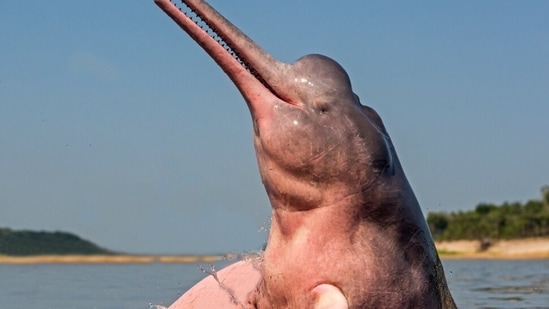
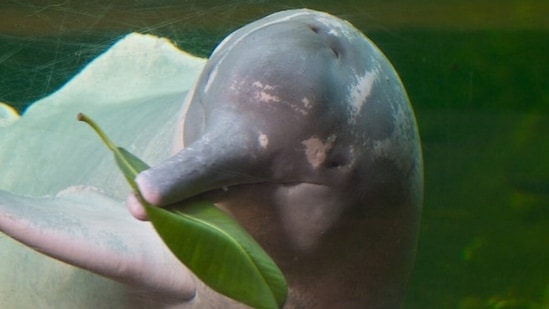
The dolphins' rosy complexion is due to blood vessels close to their skin, though some specimens are blue or even white. (Rutaverde.com)
5/6
 View Photos in a new improved layout
Updated on Oct 18, 2022 10:53 AM
Believed to be semi-divine creatures by some indigenous groups, they use echolocation to navigate often murky waterways. (Rutaverde.com)
6/6
 View Photos in a new improved layout
Updated on Oct 18, 2022 10:53 AM


