
 E-Paper



Amrita Pritam, the grande dame of Punjabi letters
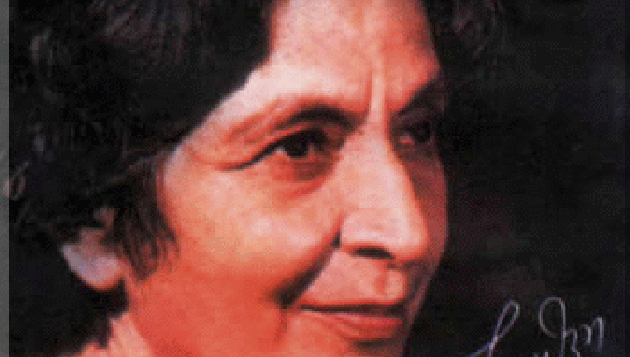
Punjabi writer and poet Amrita Pritam was the first woman to win the National Sahitya Akademi Award in 1956. A recipient of the Padma Shri, Padma Vibhushan and Jnanpith, she is remembered for poems such as Ajj Aakhaan Waris Shah Nu (Today I invoke Waris Shah) — which is an elegy to the 18th century Punjabi Sufi poet — and Pinjar (The Skeleton) , among many others. Her works have been translated in several Indian and foreign languages.
Updated on: Sept 1, 2018 3:24 PM IST


Share via


Copy link

1/9
 View Photos in a new improved layout
Updated on Sept 1, 2018 3:24 PM
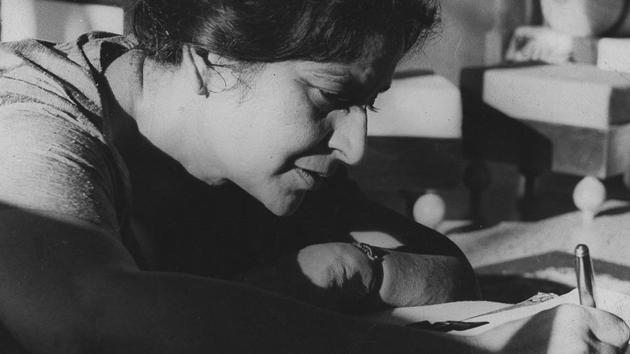
Punjabi writer and poet Amrita Pritam was a littérateur who was considered as the first significant Punjabi poet and novelist of the 20th century. Hindustan Times pays tribute to the life, literature and legacy of the poet at the start of her birth centenary year. (HT File)
2/9
 View Photos in a new improved layout
Updated on Sept 1, 2018 3:24 PM
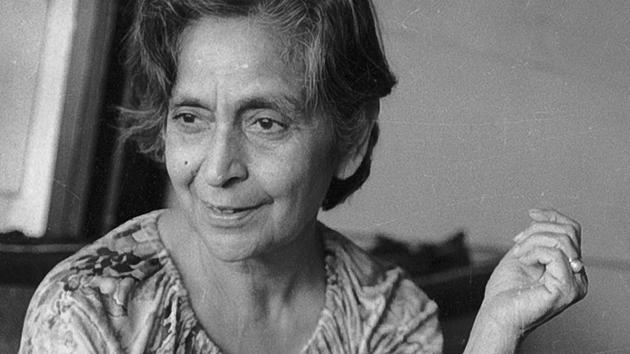
A legend well within her lifetime, she was a poet, fiction writer, essayist, biographer and editor of the celebrated literary journal ‘Nagmani’ that she brought out for 33 years. (HT File )
3/9
 View Photos in a new improved layout
Updated on Sept 1, 2018 3:24 PM
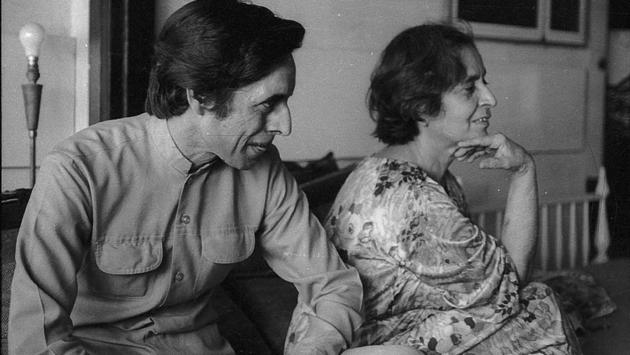
Trapped in a loveless marriage at a young age, Amrita Pritam dared to love – lyricist Sahir Ludhianvi at first, and artist Imroz later. While her first love remained unfulfilled, she spent the rest of her life living-in with a rather loving and caring Imroz. (HT File )
4/9
 View Photos in a new improved layout
Updated on Sept 1, 2018 3:24 PM
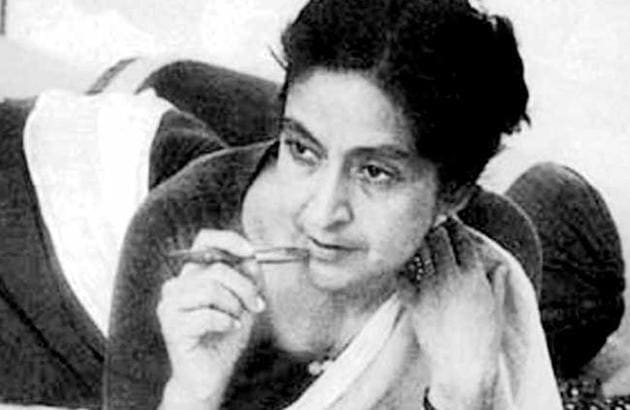
The first woman to win the National Sahitya Akademi Award and the first writer of Punjabi to win the Jnanpith award, she is a recipient of Padma Shri and Padma Vibhushan as well as several international honours. (HT File )
5/9
 View Photos in a new improved layout
Updated on Sept 1, 2018 3:24 PM
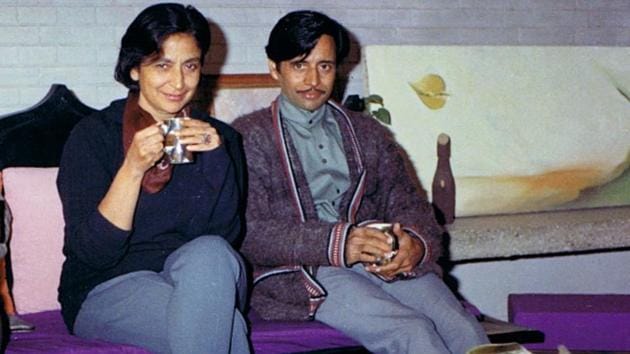
A rare photograph of Amrita Pritam and her partner, Imroz, in 1969. She wrote a poem ‘Shaam ka Phool’ (The evening flower) after her first meeting with Imroz. The poet felt that Imroz, who was 10 years younger, met her a bit too late in life. (Ravinder Ravi)
6/9
 View Photos in a new improved layout
Updated on Sept 1, 2018 3:24 PM
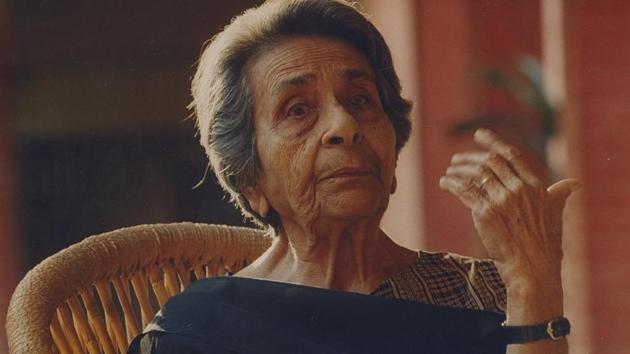
Amrita is most remembered for her poignant poem, Ajj aakhaan Waris Shah nu (Today I invoke Waris Shah – “Ode to Waris Shah”), an elegy to the 18th-century Punjabi poet, an expression of her anguish over massacres during the partition of India. (HT file )
7/9
 View Photos in a new improved layout
Updated on Sept 1, 2018 3:24 PM
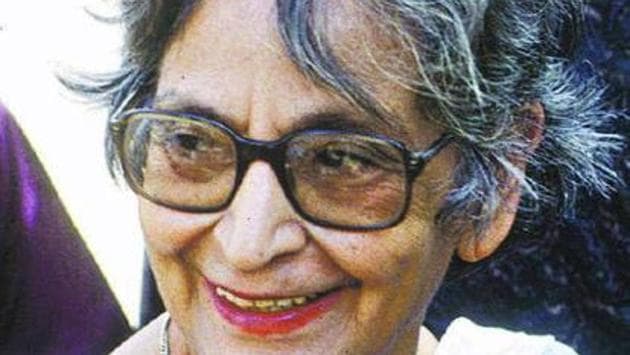
In her career spanning 60 years, she wrote around 100 books on poetry, essays, folk songs and even an autobiography. (ht file)
8/9
 View Photos in a new improved layout
Updated on Sept 1, 2018 3:24 PM
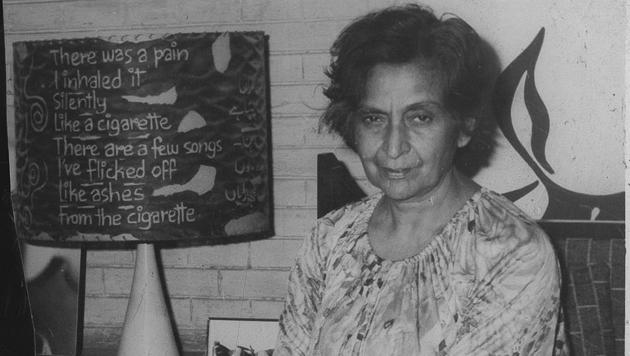
Amrita had moved from Lahore to India during the Partition, although she remained popular in both countries. (ht file)
9/9
 View Photos in a new improved layout
Updated on Sept 1, 2018 3:24 PM


