
 E-Paper



Photos: A decade on, Beijing Olympics changed China, but not as expected
Beijing used the 2008 Beijing Olympic Games as a showcase for decades of reform and growth. Public campaigns to stop spitting, clean up of public toilets, new rail links and airports, and permanent removal of travel and interview restrictions on foreign press were major achievements. But those who hoped the Games would lead to positive political change have largely been disappointed as communist control in the country became more concentrated than at any time since the era of Mao Zedong.
Updated on: Aug 7, 2018 9:27 AM IST


Share via


Copy link

1/11
 View Photos in a new improved layout
Updated on Aug 7, 2018 9:27 AM
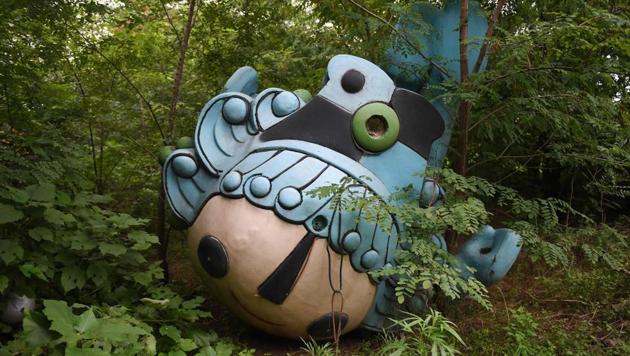
Beibei, one of five mascots for the 2008 Beijing Olympic Games, lies behind an abandoned, never-completed mall in Beijing. A decade after the 2008 Olympics, its legacy remains unmistakable from the smallest alleyways in the Chinese capital to the country’s growing clout abroad. For better or worse, the Games changed the face of Beijing: from the iconic Bird’s Nest stadium to the countless blocks of ancient homes bulldozed in an Olympic building frenzy. (Greg Baker / AFP)
2/11
 View Photos in a new improved layout
Updated on Aug 7, 2018 9:27 AM
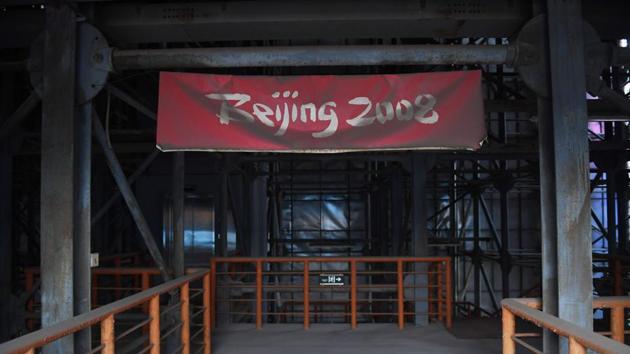
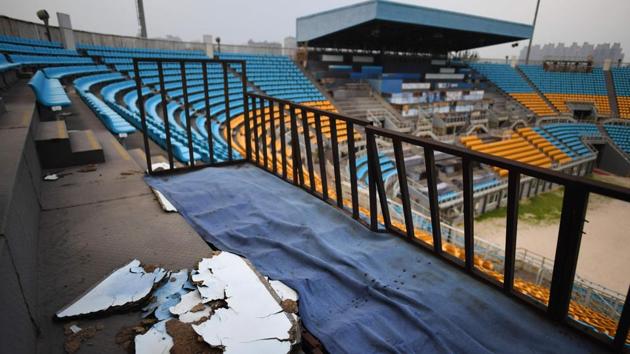
A faded Beijing 2008 sign is seen in the grandstand of the beach volleyball stadium. Beijing used the games to send a message: decades of reform and growth had made it rich and powerful enough to spend billions staging a dazzling and deftly organised sports spectacle. (Greg Baker / AFP)
3/11
 View Photos in a new improved layout
Updated on Aug 7, 2018 9:27 AM
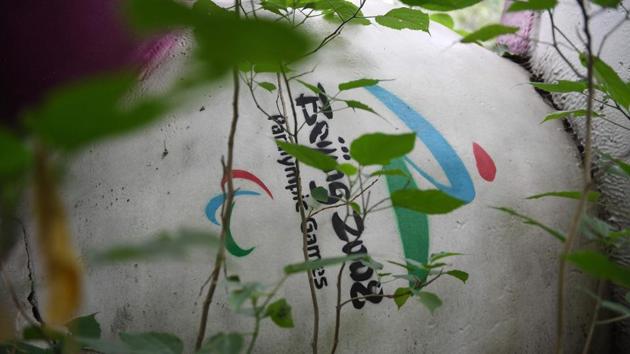
Fu Niu Lele, the mascot for the 2008 Beijing Paralympic Games, lying amongst trees. The opening ceremony on 8/8/2008 -- the number eight is considered auspicious in Chinese culture -- amazed the world with its flawless choreography and sheer ambition, and national pride was further super-charged by China’s domination of the Games’ gold medal count. (Greg Baker / AFP)
4/11
 View Photos in a new improved layout
Updated on Aug 7, 2018 9:27 AM
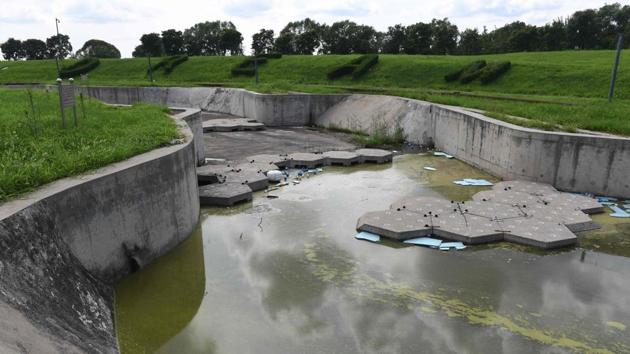
The white water kayaking stadium built for the 2008 Olympic Games. Public campaigns to stop the ubiquitous spitting of Beijing’s residents and clean up public toilets led to noticeable improvements, while new rail links and airports improved transport infrastructure. Efforts to clear the city’s notoriously smoggy air and choking traffic, however, have been less successful. (Greg Baker / AFP)
5/11
 View Photos in a new improved layout
Updated on Aug 7, 2018 9:27 AM
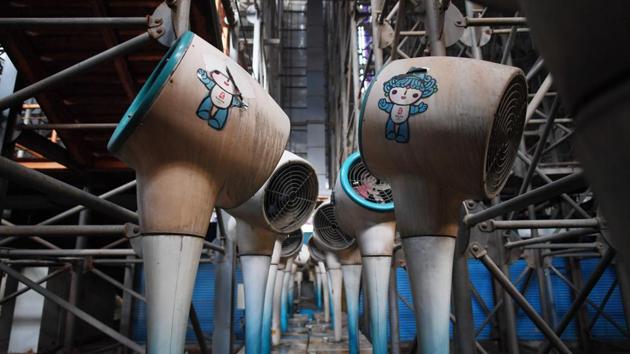
Cooling mist fans are stored under the grandstand of the beach volleyball stadium. Some had expressed hope the Olympics might nudge China toward democracy, and activists seized the opportunity to pressure authorities on issues like press freedom and human rights, including Beijing’s tough policies in restive areas like Tibet. (Greg Baker / AFP)
6/11
 View Photos in a new improved layout
Updated on Aug 7, 2018 9:27 AM
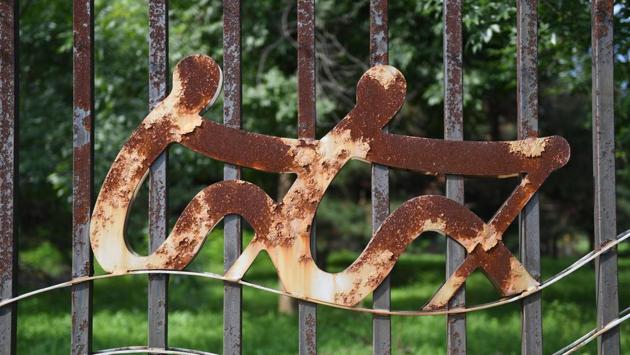
A rusted logo on the fence of the canoeing and rowing venue. But those who hoped the Games would lead to positive political change in China have largely been disappointed, said Zhouxiang Lu, an expert on the intersection of sports and politics at Ireland’s Maynooth University. (Greg Baker / AFP)
7/11
 View Photos in a new improved layout
Updated on Aug 7, 2018 9:27 AM
Censorship has tightened dramatically, activists are routinely jailed or under pressure, and China’s treatment of ethnic minorities has deteriorated drastically, including mass detentions of the Uighur in the far-western Xinjiang region. A decade later, instead of changing its ways, Beijing has countered criticism by investing more in external public relations according to Susan Brownell, an expert on the Olympics at the University of Missouri-St. Louis. (Greg Baker / AFP)
8/11
 View Photos in a new improved layout
Updated on Aug 7, 2018 9:27 AM
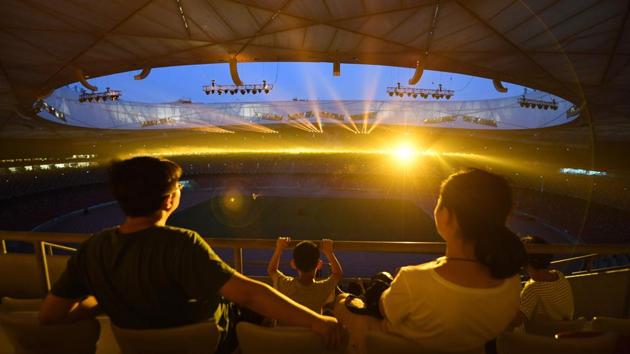
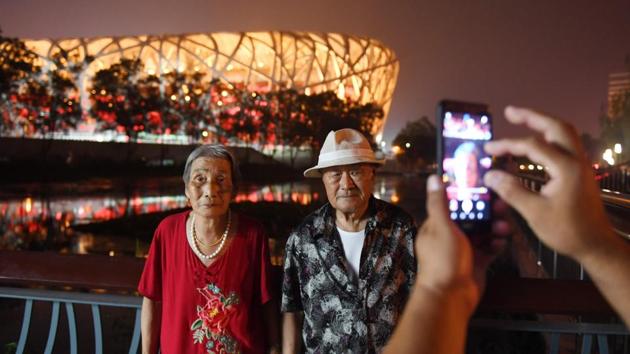
A family watches a light show held to mark the 10th anniversary of the 2008 Beijing Olympic Games, at the National Stadium, known as the Bird's Nest. One positive outcome of this change was that China permanently removed travel and interview restrictions on foreign press that had been eased ahead of the Games, although foreign media still face tough conditions to report in the country. (Greg Baker / AFP)
9/11
 View Photos in a new improved layout
Updated on Aug 7, 2018 9:27 AM
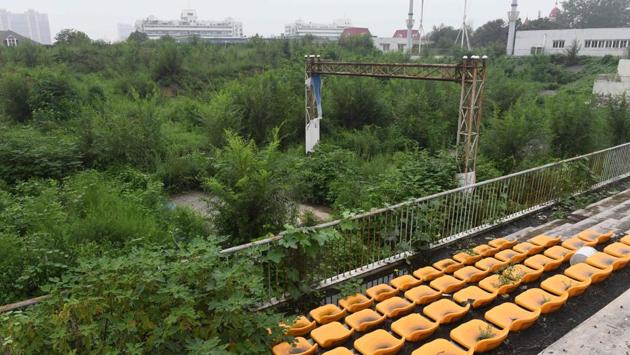
Trees and weeds have grown at the finish line of the BMX track used for the 2008 Olympic Games. Regardless of criticisms, the government seems to have concluded the Games were a good investment. So good that they bid for and won the right to host the Winter Olympics in 2022. They will be using some of the facilities it built for 2008, as it becomes the first city ever to stage both the summer and winter Games. (Greg Baker / AFP)
10/11
 View Photos in a new improved layout
Updated on Aug 7, 2018 9:27 AM
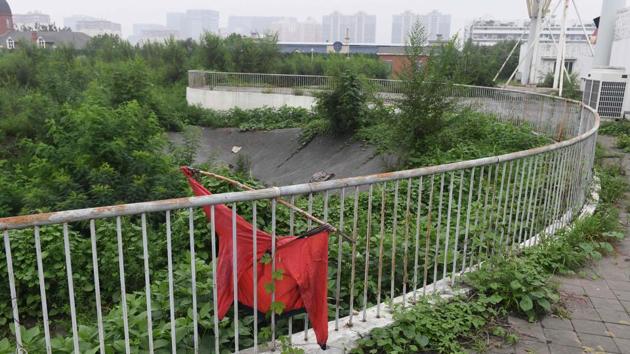
Critics of the government have already begun planning how to use the showcase event to push for change. This time, they will be facing off against a much more sophisticated government that will have anticipated criticism and will likely take a more low-key, more sports-oriented and less political approach to the games, Lu said. (Greg Baker / AFP)
11/11
 View Photos in a new improved layout
Updated on Aug 7, 2018 9:27 AM


