
 E-Paper



Photos: Cape Town pushes drought-forced tap closure on Day Zero to May
Cape Town has pushed back "Day Zero" — the date when it might have to turn off most taps because of a three year long drought, its worst in a century — by nearly a month to May 11.
Updated on: Feb 08, 2018 11:13 AM IST

Share via


Copy link

1/12
 View Photos in a new improved layout
Updated on Feb 08, 2018 11:13 AM
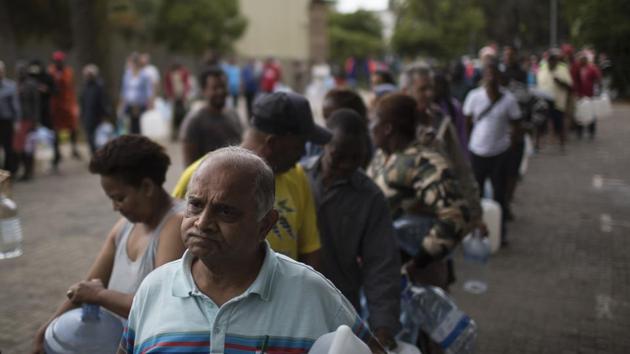
Residents wait in a queue to fill containers with water at a source for natural spring water in Cape Town South Africa on February 02, 2018. The drought-hit city of Cape Town introduced new water restrictions this week in an attempt to avoid what it calls “Day Zero,” a day in May when it might have to turn off most taps. Residents have now been asked to use no more than 50 liters of water daily. (Bram Janssen / AP)
2/12
 View Photos in a new improved layout
Updated on Feb 08, 2018 11:13 AM
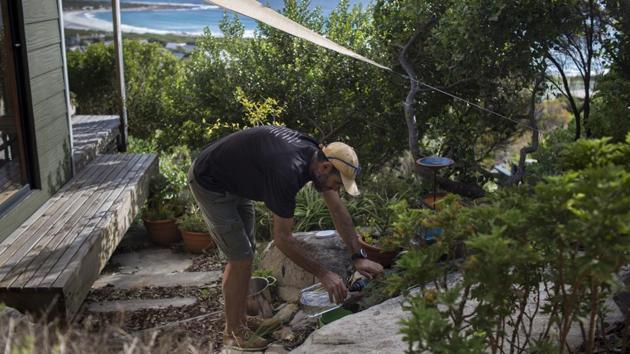
Kelson da Cruz taps water from his self installed water tank in the seaside town of Scarborough, outside Cape Town. Officials had previously projected “Day Zero” to fall on April 16. (Bram Janssen / AP)
3/12
 View Photos in a new improved layout
Updated on Feb 08, 2018 11:13 AM
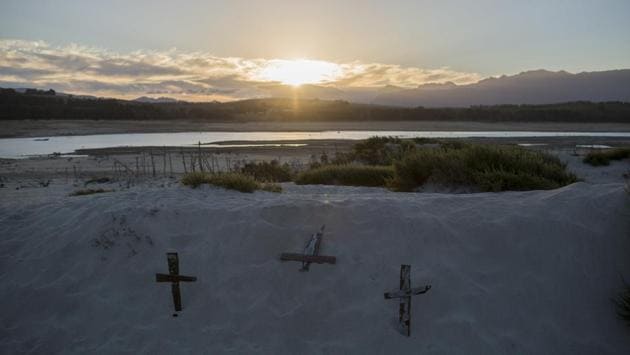
Cape Town's main water supply from the Theewaterskloof dam outside Grabouw, is seen here largely empty. City authorities said Monday that the reprieve is due to an anticipated decline in agricultural use of water because many farms in the Western Cape Province, which Cape town is a part of have already used up their allotted reserves. (Bram Janssen / AP)
4/12
 View Photos in a new improved layout
Updated on Feb 08, 2018 11:13 AM
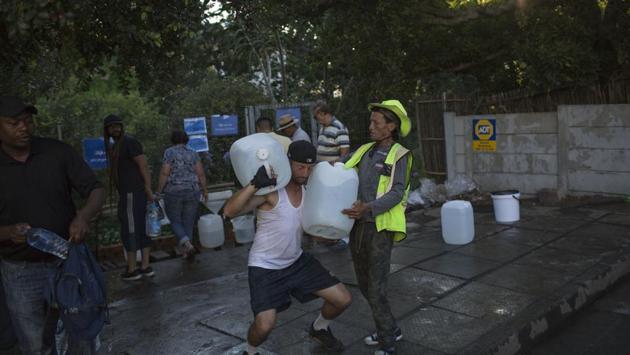
Two men help each other carry water at a natural spring water source in Cape Town. With seasonal rainfall expected to start around May and likely to be low, municipal officials say city residents must stick to regulations requiring them to use fewer than 50 liters per person daily or risk tap closure. (Bram Janssen / AP)
5/12
 View Photos in a new improved layout
Updated on Feb 08, 2018 11:13 AM
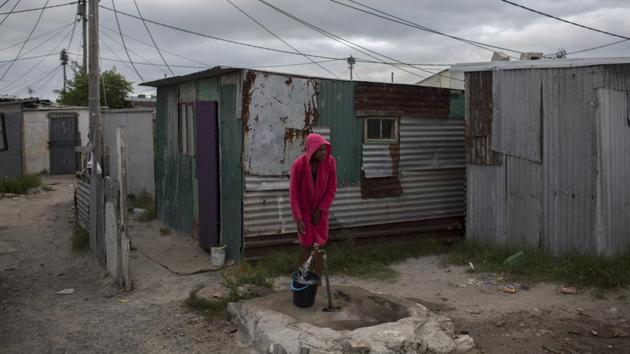
A woman collects water in a settlement near Cape Town. Some say poorer residents are unfairly blamed as concerns rise over wasting water. About a quarter of Cape Town's population lives in the informal settlements, where they get water from communal taps instead of individual taps at home like in the richer suburbs. (Bram Janssen / AP)
6/12
 View Photos in a new improved layout
Updated on Feb 08, 2018 11:13 AM
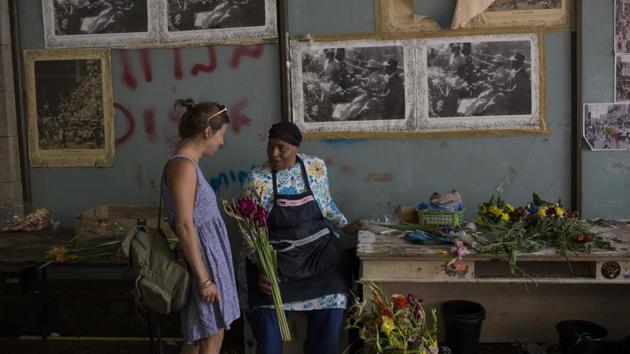
Faldela Dixon (R) talks to a customer at her flower shop in Cape Town. Dixon says customers don't buy as many flowers because of the drought, as they don't want to waste water on the flowers. From Cape Town’s elegant suburbs to its gritty townships, people are working to reduce their water consumption across the board. (Bram Janssen / AP)
7/12
 View Photos in a new improved layout
Updated on Feb 08, 2018 11:13 AM
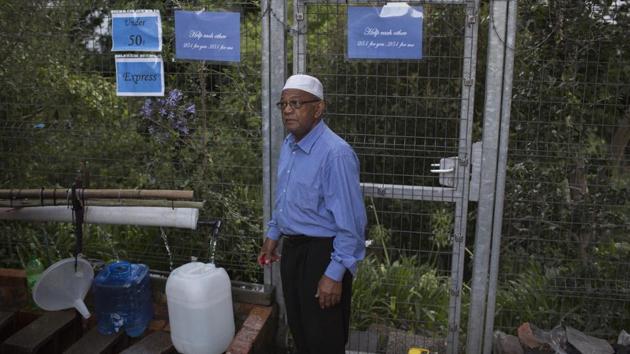
A man taps water from a source of natural spring water with a message hanging behind him that reads “Help each other... 25l for you, 25l for me” in Cape Town. People have been restricting how often and how long they shower, wash clothes and flush toilets in order to conserve water. (Bram Janssen / AP)
8/12
 View Photos in a new improved layout
Updated on Feb 08, 2018 11:13 AM
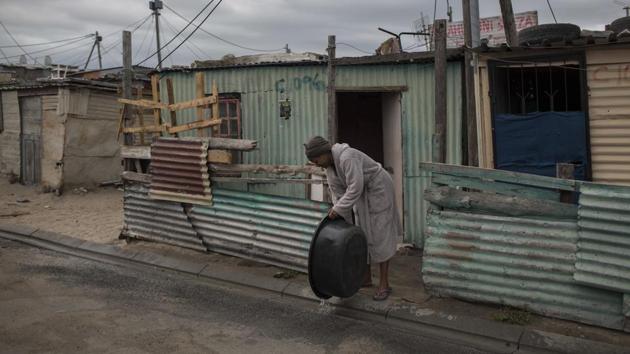
A woman throws away used water at an informal settlement near Cape Town. The one million people in Cape Town’s poor townships make up 25 percent of the city’s 4 million people yet only use 4.5 percent of the water, say water experts. (Bram Janssen / AP)
9/12
 View Photos in a new improved layout
Updated on Feb 08, 2018 11:13 AM
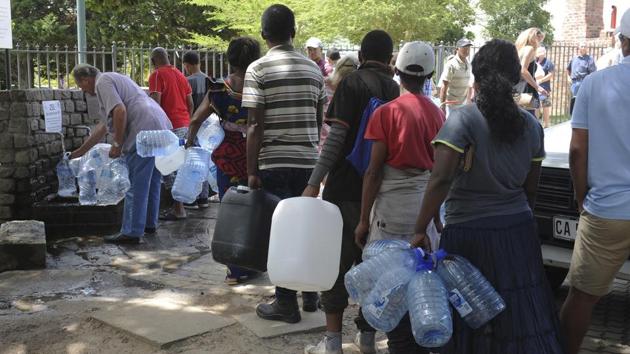
Residents queue for water at a natural spring. Some 70% of water used in Cape Town is consumed in homes, authorities say. Experts have said causes of the city’s water shortages include climate change and huge population growth. (Bram Janssen / AP)
10/12
 View Photos in a new improved layout
Updated on Feb 08, 2018 11:13 AM
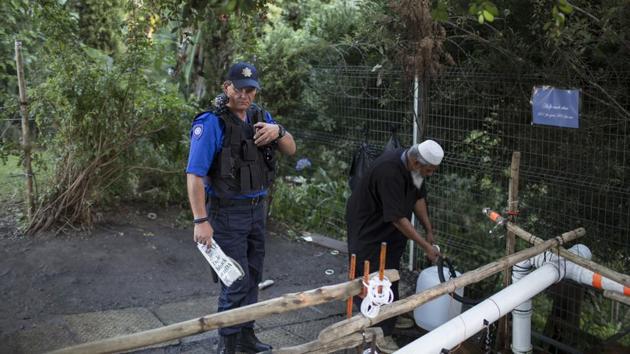
After an arrest over water sharing last week, police are guarding some natural springs to avoid any scuffles over access to the increasingly precious liquid. (Bram Janssen / AP)
11/12
 View Photos in a new improved layout
Updated on Feb 08, 2018 11:13 AM
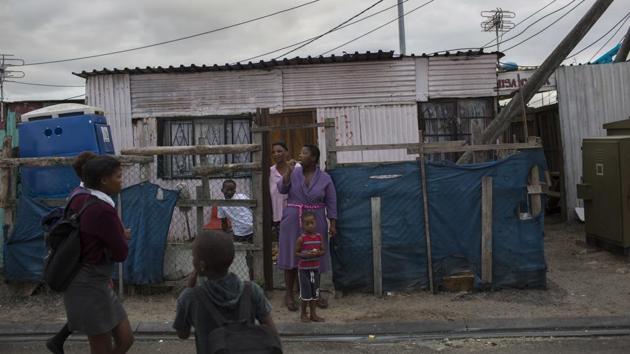
A woman brushes her teeth in an informal settlement near Cape Town. The use of city drinking water to wash vehicles, hose down paved areas, fill up private swimming pools and water gardens is illegal. Residents using too much water also risk being fined. (Bram Janssen / AP)
12/12
 View Photos in a new improved layout
Updated on Feb 08, 2018 11:13 AM


