
 E-Paper



Photos: China treats Uighur kids as ‘orphans’ after parents seized
Since coming to power in 2012, Xi Jinping has overseen the most extensive effort in recent years to quell the restive Xinjiang region. After reports of the internment of more than 1 million Uighurs and other Muslim minorities, orphanages and special schools for children of minority parents –detained or not –are the latest example of how China is systematically distancing young Muslims in Xinjiang from their families and culture, The Associated Press has found through interviews with 15 families and a review of procurement documents. The government has been building thousands of so-called "bilingual" schools, where minority children are taught in Mandarin and penalized for speaking in their native tongues.
Updated on: Sep 26, 2018 11:59 AM IST

Share via


Copy link

1/13
 View Photos in a new improved layout
Updated on Sep 26, 2018 11:59 AM
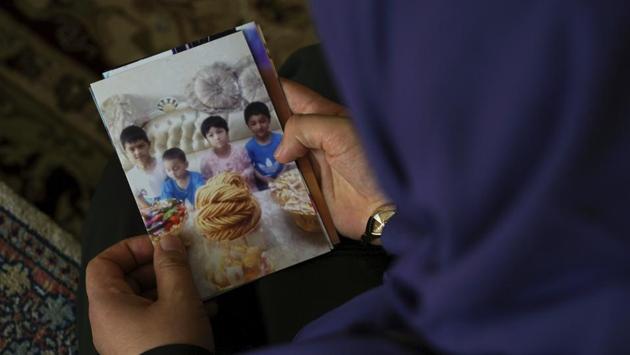
Every morning, Meripet wakes up to her nightmare: The Chinese government has turned four of her children into orphans, even though she and their father are alive. They left the kids with their grandmother at home in China when they went to nurse Meripet’s sick father in Turkey. But after Chinese authorities started locking up ethnic Uighurs for alleged subversive crimes such as travel abroad, a visit became exile. (Dake Kang / AP)
2/13
 View Photos in a new improved layout
Updated on Sep 26, 2018 11:59 AM
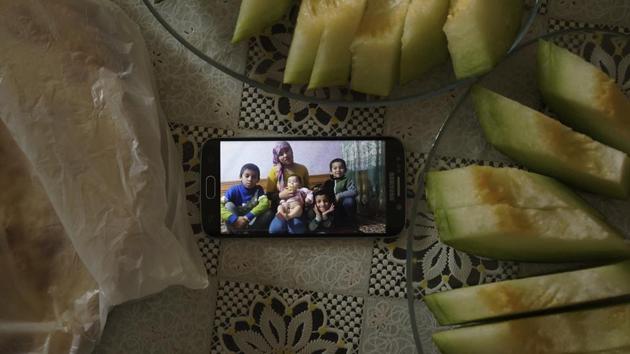
A phone displays an image of three of Meripet’s children. Once her mother-in-law was taken prisoner, Meripet learned from a friend that her 3- to 8-year-olds had been placed in a de facto orphanage in the Xinjiang region, under the care of the state that broke up her family. “It’s like my kids are in jail,” Meripet said, her voice cracking. “My four children are separated from me and living like orphans.” (Dake Kang / AP)
3/13
 View Photos in a new improved layout
Updated on Sep 26, 2018 11:59 AM
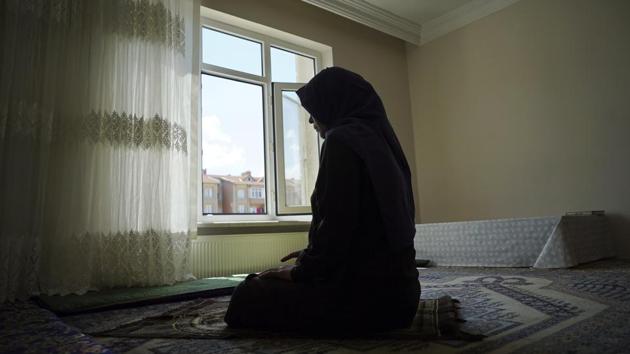
Meripet, 29, prays at her home in Istanbul. Her family is among tens of thousands swept up in President Xi Jinping’s campaign to subdue a sometimes restive region, including the internment of more than 1 million Uighurs and other Muslim minorities that has alarmed a UN panel and the US government. Now there is evidence that the government is placing the children of detainees and exiles into orphanages across Xinjiang. (Dake Kang / AP)
4/13
 View Photos in a new improved layout
Updated on Sep 26, 2018 11:59 AM
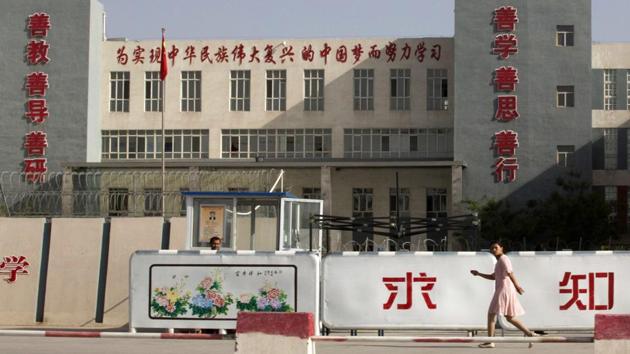
Barbed wire around a cluster of schools on the outskirts of Kashgar. China says the orphanages help disadvantaged children, and denies the existence of internment camps. It prides itself on investing millions in education in Xinjiang to steer people out of poverty and away from terrorism. Chinese foreign ministry spokesman Geng Shuang said the measures taken in Xinjiang were necessary for “stability, development, harmony” and to fight ethnic separatists. (Ng Han Guan / AP)
5/13
 View Photos in a new improved layout
Updated on Sep 26, 2018 11:59 AM
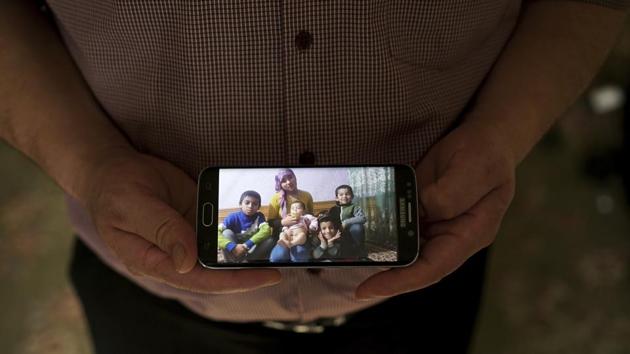
Adil, 42, father to five children and a businessman from Kashgar, China, holds a phone showing an image of his family left behind. Uighurs fear that these measures are essentially wiping out their ethnic identity, one child at a time. The camps are among the most troubling aspects of Xi’s campaign to assert the party’s dominance over all aspects of Chinese life, which has drawn comparisons with Mao Zedong. (Dake Kang / AP)
6/13
 View Photos in a new improved layout
Updated on Sep 26, 2018 11:59 AM
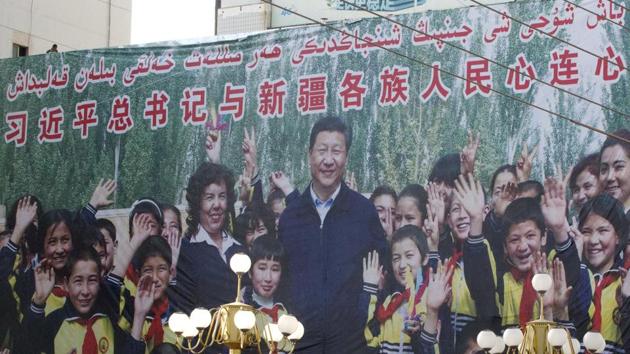
A propaganda poster reads ‘Party Secretary Xi Jinping and Xinjiang’s multi ethnic residents united heart to heart’. Authorities heeding Xi’s call to “Sinicize” religion across the country have shut underground churches, replaced pictures of Jesus with Xi’s, and toppled crescents from mosques. Xinjiang is serving as testing ground for tracking citizens. The AP interviewed 14 Uighur families in Turkey and one Kazakh man in Almaty with a total of 56 children who remain in China. (Ng Han Guan / AP)
7/13
 View Photos in a new improved layout
Updated on Sep 26, 2018 11:59 AM
The families say that among these children, 14 are known to be in state-run orphanages and boarding schools. The whereabouts of the rest are unknown. An AP review of procurement notices in Xinjiang has found that since the start of last year, the government has budgeted more than $30 million to build or expand at least 45 orphanages, known variously as children’s “welfare centres” and “protection centres,” with enough beds to house about 5,000. (Ng Han Guan / AP)
8/13
 View Photos in a new improved layout
Updated on Sep 26, 2018 11:59 AM
A report published this February in the Xinjiang Daily, called Hotan City Kindness Kindergarten, where Meripet’s children are, a “free, full-time” kindergarten for children 6 and younger that provides accommodations and clothing to those whose “parents cannot care for them for a variety of reasons”. After arriving there, many kids “grew taller and got fatter, and quickly started using Mandarin to communicate,” the article said. (Ng Han Guan / AP)
9/13
 View Photos in a new improved layout
Updated on Sep 26, 2018 11:59 AM
Abdurehim Imin, a writer from Kashgar, said a friend told him his 14-year-old daughter was sent to a bilingual school in 2015 after his wife was arrested, ostensibly for receiving a gift of olive oil he sent her. The government says all 2.9 million students attending compulsory elementary and junior high school in Xinjiang will receive Mandarin instruction by this month, up from just 39% in 2016. (Dake Kang / AP)
10/13
 View Photos in a new improved layout
Updated on Sep 26, 2018 11:59 AM
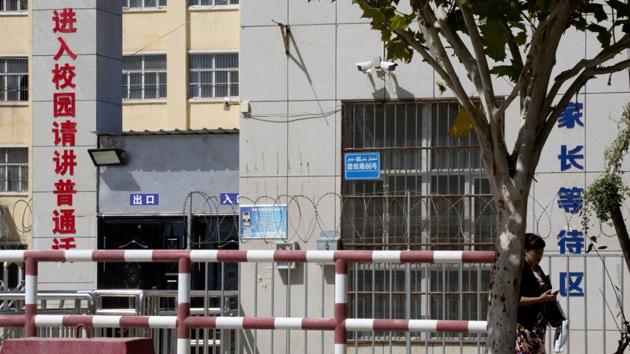
A child and a woman wait outside a fortified school entrance. Xinjiang has long provided voluntary boarding school programs that are seen as coveted opportunities for minority students. But several Uighurs asserted that in many cases boarding school was now mandatory for minority children, even though Han Chinese children could choose to continue living at home. (Ng Han Guan / AP)
11/13
 View Photos in a new improved layout
Updated on Sep 26, 2018 11:59 AM
A government notice posted in Kashgar states that children in the fourth grade and above with parents in detention must be sent to boarding school immediately — even if one parent is still home. Students must be instilled with socialist values, the notice said, and be taught to “be grateful for education and love and repay the motherland,” and avoid 75 types of behaviour that show extremism. (Ng Han Guan / AP)
12/13
 View Photos in a new improved layout
Updated on Sep 26, 2018 11:59 AM
An Uighur businessman in Istanbul, also named Adil, told a similar story. His son was 9 when the school system automatically transferred him to a boarding school. All children of a certain age in their district were obliged to attend boarding school, Adil said. His son was only permitted to come home on weekends and holidays. “There were iron bars like we saw in a zoo in Kashgar,” he recalled. (Dake Kang / AP)
13/13
 View Photos in a new improved layout
Updated on Sep 26, 2018 11:59 AM


