
 E-Paper



Photos: Despite recent crackdown, Lebanon’s LGBT scene remains vibrant
Since 2003, Lebanon’s LGBT community has focused on activism to combat discrimination and abuse, making startling gains and carving out space in the mainstream. Of the Arab World, Lebanon’s LGBT community is the most vibrant and visible. The debate over LGBT rights has become part of the mainstream, featuring in TV shows and media reports. But a recent crackdown on the country’s 2018 Pride Week has reignited debate over whether the community should focus on celebrating Pride or renew pressure on forcing change through activism.
Updated on: May 28, 2018 1:54 PM IST

Share via


Copy link

1/11
 View Photos in a new improved layout
Updated on May 28, 2018 1:54 PM
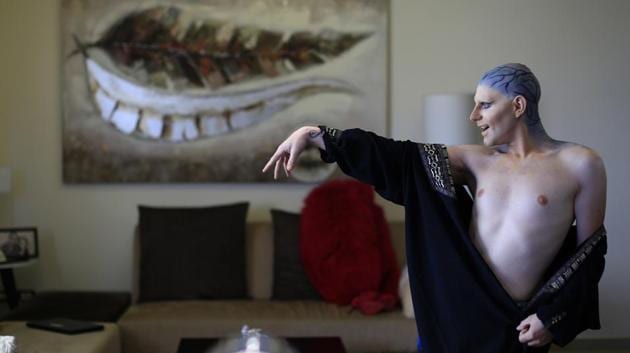
It took Elias, 24, more than two months to prepare, coming up with the concept, assembling his outfit and rehearsing for the largest drag ball in Lebanon. Because homosexuality and dressing as the opposite gender are against the law, he sat in the back of his mother’s car with darkened windows, a scarf over his head, for the drive from his home just outside Beirut to the club. (Hassan Ammar / AP)
2/11
 View Photos in a new improved layout
Updated on May 28, 2018 1:54 PM
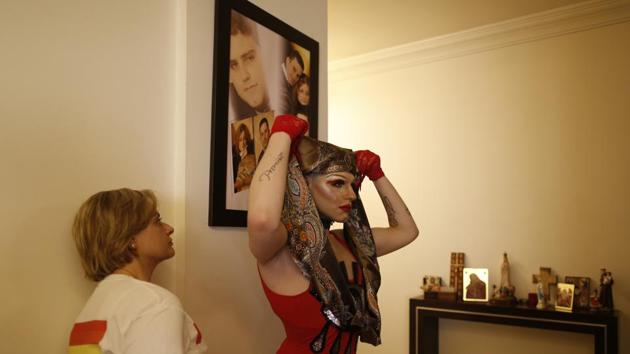
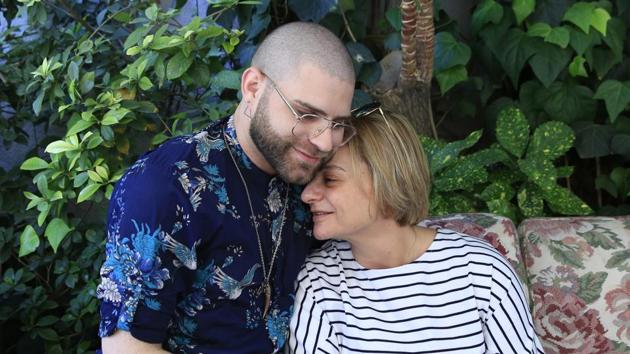
Valerie, (L), looks to her son Elias who goes by the stage name of Melanie Coxxx, as he fixes his scarf before performing in a drag show during Beirut’s Pride week. Elias has come a long way on a journey full of rejection, protest and finally limited acceptance. Openly gay, his parents accepted him, but Elias’ larger family still shuns him and he has lost a few friends. (Hassan Ammar / AP )
3/11
 View Photos in a new improved layout
Updated on May 28, 2018 1:54 PM
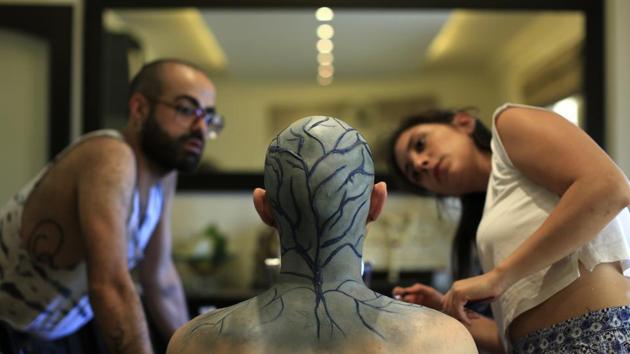
Elias applies make-up before his performance. For over a decade, Lebanon’s LGBT community has focused on activism to combat discrimination and abuse, making startling gains and even carving out space in the mainstream. The community is the most vibrant and open in the Arab world but there is a constant dance between authorities and the community over lines and limits. (Hassan Ammar / AP)
4/11
 View Photos in a new improved layout
Updated on May 28, 2018 1:54 PM
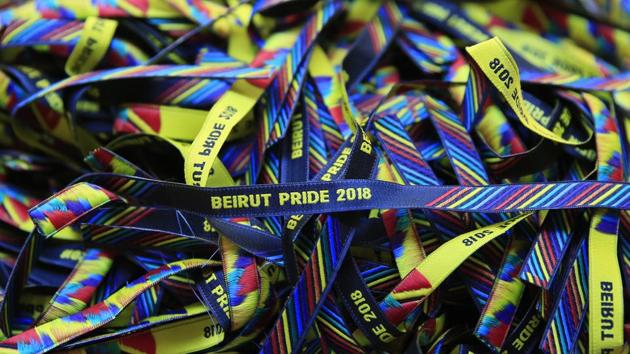
Beirut Pride 2018 came just before the holy month of Ramzan this year. After a few events were held, including the drag ball, authorities reacted. Organizer Hadi Damien was briefly detained and forced to sign a pledge to not convene the remaining events or face prosecution for promoting debauchery and violating public morality. Some public parties and events were cancelled. (Hassan Ammar / AP)
5/11
 View Photos in a new improved layout
Updated on May 28, 2018 1:54 PM
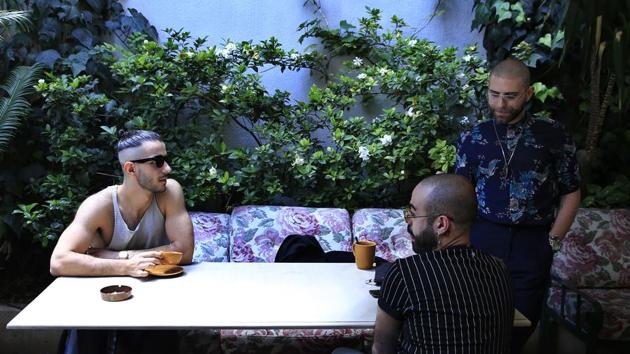
“There is a feeling that we are getting stronger, and there is a backlash from the conservative organizations,” said Georges Azzi (not pictured), a founding member of Lebanon’s Helem, the region’s first LGBT advocacy group. The crackdown reignited debates within the community between those who want to celebrate Pride and those who say focus is still needed on activism and protest to force change. (Hassan Ammar / AP)
6/11
 View Photos in a new improved layout
Updated on May 28, 2018 1:54 PM
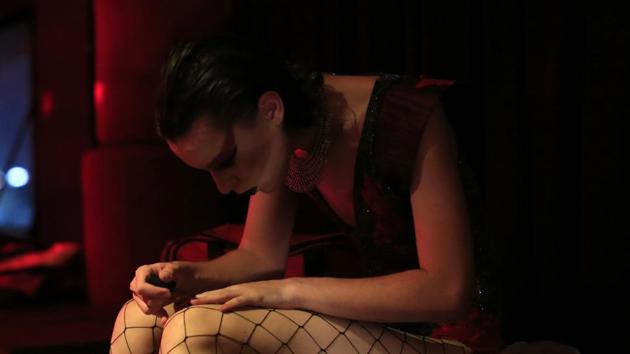
Drag queen Veronica Tention paints her nails preparing for a drag show. Since first raising the rainbow flag in a 2003 protest, activists and civil society have steadily raised the bar. The debate over LGBT rights has become part of the mainstream, featuring in TV shows and media reports. But Law 534, which criminalizes homosexuality as an “act against nature” remains, despite abolition efforts. (Hassan Ammar / AP)
7/11
 View Photos in a new improved layout
Updated on May 28, 2018 1:54 PM
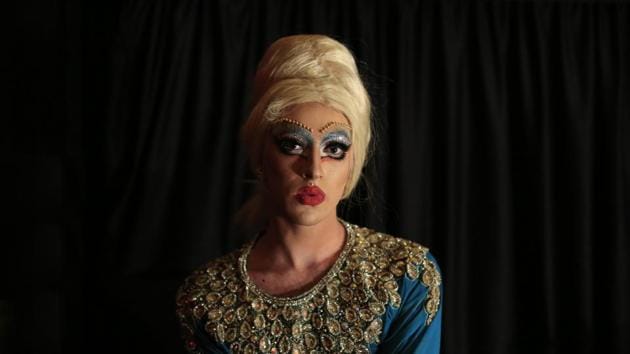
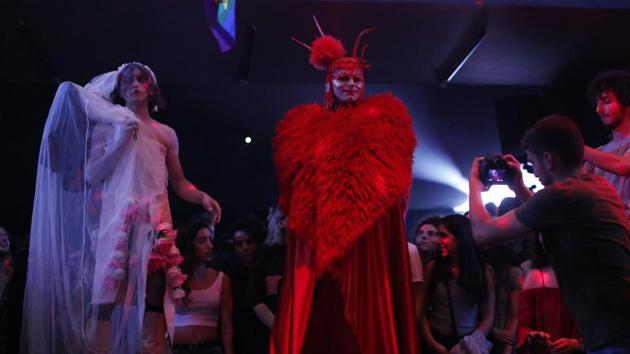
Drag queen Emma Gration poses during the show. Lebanon’s relative tolerance emerges in part from its sectarian and ethnic diversity. No one group is strong enough to impose its will, and people are forced to recognize others to a degree. This contrasts other Arab nations, where even discussing LGBT rights is beyond the pale and media relentlessly demonize the community. (Hassan Ammar / AP)
8/11
 View Photos in a new improved layout
Updated on May 28, 2018 1:54 PM
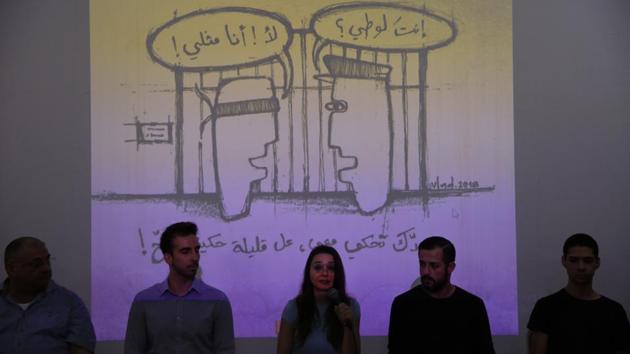
Members of Helem speak during a press conference in Beirut. Arabic on the wall reads “Are you a sodomite? No I am homosexual. If you want to talk to me, at least do it properly.” Lebanon’s activists in collaboration with Palestinians, have introduced a new, positive Arabic word for homosexual, “mithli,” to replace the more common, derogatory term, “shazz,” or “deviant.” (Hassan Ammar / AP)
9/11
 View Photos in a new improved layout
Updated on May 28, 2018 1:54 PM
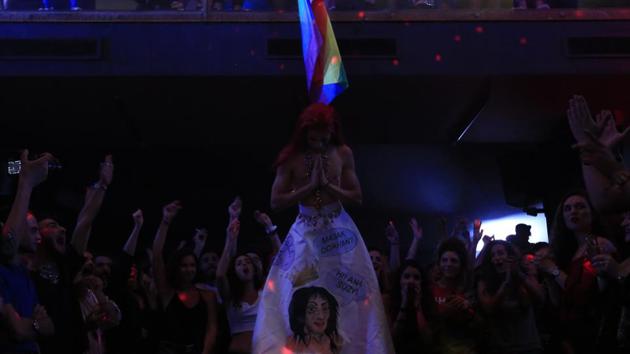
Drag queen Narcissa performs during the Pride week drag ball show, as a crowd cheers her up. Pressure has forced authorities to stay within “mainstream red lines,” said Sahar Mandour, Amnesty International’s Lebanon researcher. But security forces find other ways. Forcing Damien to sign the pledge was a new method, for example, aimed at making the cancellations seem voluntary. (Hassan Ammar / AP)
10/11
 View Photos in a new improved layout
Updated on May 28, 2018 1:54 PM
Elias was dismissive of the divisions in the LGBT community. He said more straight people are accepting now, and it’s the authorities who are afraid. “He didn’t choose to come to this world. He didn’t choose his religion. He didn’t choose his gender. He didn’t choose his society or home,” Elias’ mother Valerie said. “Should I also deprive him of the right to choose how to live his life?” (Hassan Ammar / AP)
11/11
 View Photos in a new improved layout
Updated on May 28, 2018 1:54 PM


