
 E-Paper



Photos: In Kimberley, the world’s diamond capital, illicit mining fight gets difficult
In South Africa’s diamond capital Kimberley, illicit mining and mineral trading costs around $1.5 billion a year in lost sales, taxes and royalties. However to curb illegal mining and black-market trade of diamonds, government has introduced some schemes and project but they have been hindered by violence, informal miners and a lack of accurate data.
Updated on: Nov 12, 2019 1:15 PM IST


Share via


Copy link

1/9
 View Photos in a new improved layout
Updated on Nov 12, 2019 1:15 PM
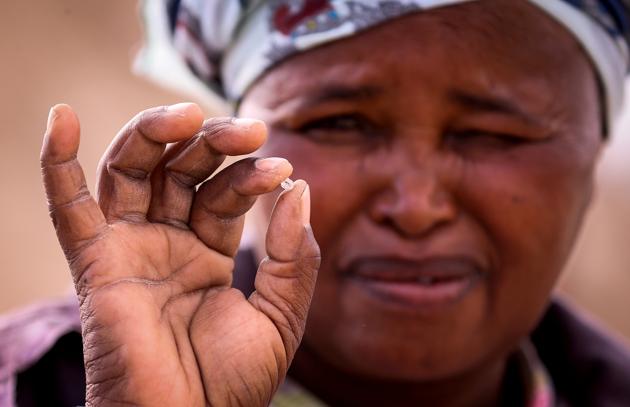
An artisanal miner holds an uncut diamond in her hand in Kimberley, South Africa. The first South African project to bring illegal miners into the formal fold has been plagued by violence in diamond capital Kimberley, dealing a major blow to national efforts to stem a booming illicit trade. (Sumaya Hisham / REUTERS)
2/9
 View Photos in a new improved layout
Updated on Nov 12, 2019 1:15 PM
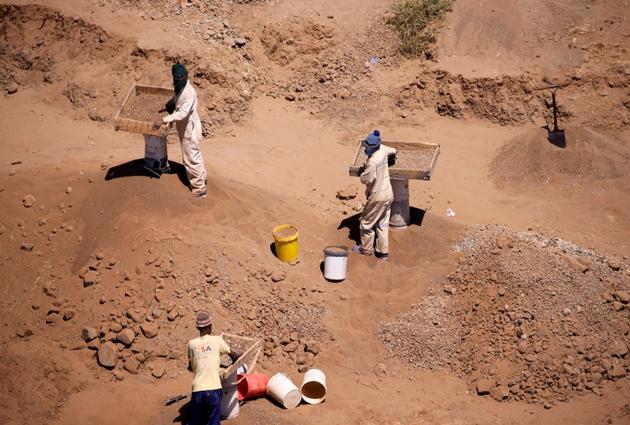
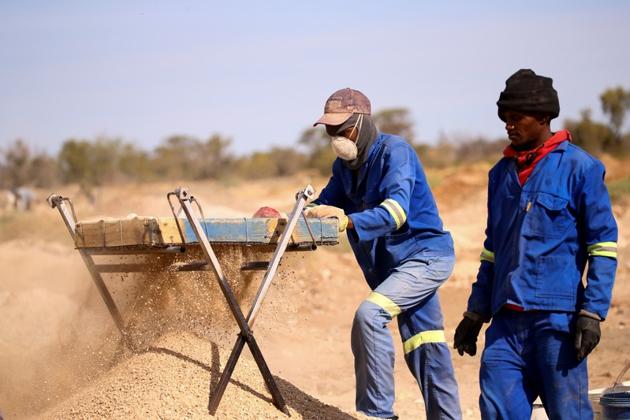
Illegal diamond miners known locally as "zama-zamas" are seen working in Kimberley.The project was launched 18 months ago in Kimberley, the site of a 19th-century diamond rush that lured fortune-seekers from the world over. Mine owners granted more than 800 unlicensed, or informal, small-scale miners the right to legally mine around 1,500 acres of diamond-rich waste fields. (Sumaya Hisham / REUTERS)
3/9
 View Photos in a new improved layout
Updated on Nov 12, 2019 1:15 PM
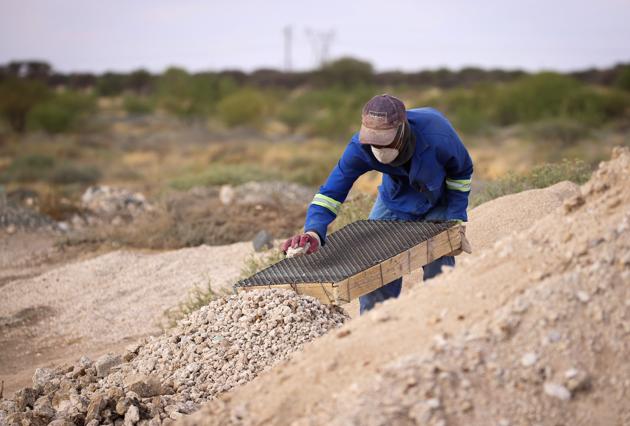
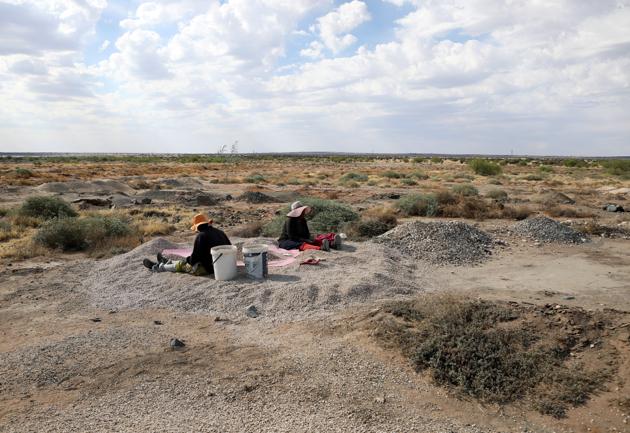
A member of the Batho Pele cooperative of artisanal miners sifts through sand and rocks searching for diamonds.The aim of the government-backed scheme was to curb illegal mining and black-market trade of diamonds, and serve as a blueprint for future attempts elsewhere in the country, not only in the diamond sector, but also potentially manganese, gold and chrome.However the project has been hit by violence and with informal miners. (Sumaya Hisham / REUTERS)
4/9
 View Photos in a new improved layout
Updated on Nov 12, 2019 1:15 PM
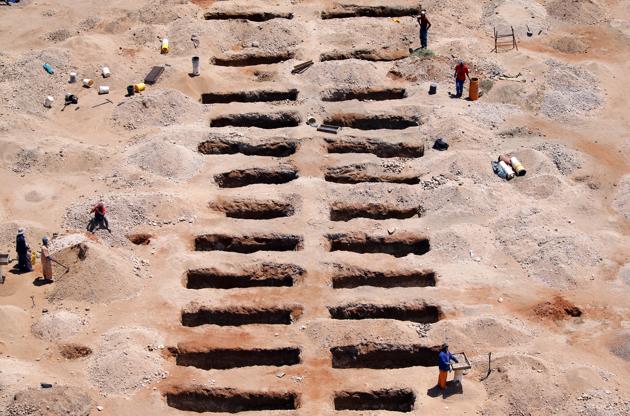
Illicit mining and mineral trading cost around $1.5 billion a year in lost sales, taxes and royalties, according to a 2017 estimate by industry group the Minerals Council, and sees criminal networks exploit vulnerable workers struggling to make ends meet. Asked whether he was pleased with the results of the Ekapa project, minerals minister Gwede Mantashe said, “I’m not. We will have to assign somebody to work on it.” (Sumaya Hisham / REUTERS)
5/9
 View Photos in a new improved layout
Updated on Nov 12, 2019 1:15 PM
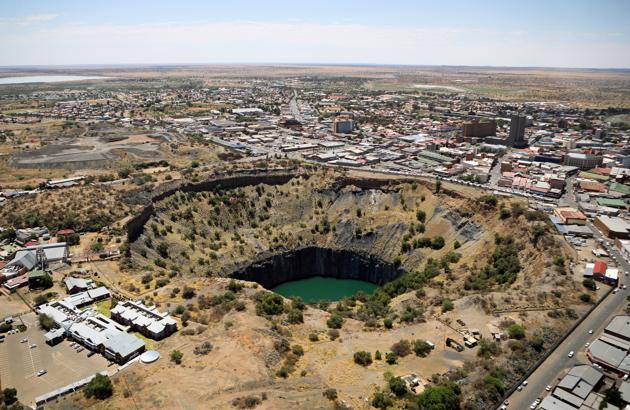
An aerial view of the Big Hole, a historic open pit and underground mine, now abandoned, in Kimberley. Illegal miners who are not part of the cooperative have stolen fences, petrol-bombed three Ekapa trucks, blocked access roads with rocks and burning tyres, and sabotaged a waste pipeline, shutting down its plant. Ramping up its defences against illegal miners drove Ekapa’s security costs up to around 3 million rand ($200,160) before the project began, and the company is again beefing up security. (Sumaya Hisham / REUTERS)
6/9
 View Photos in a new improved layout
Updated on Nov 12, 2019 1:15 PM
A miner holds an uncut diamond in his hand. Ekapa and Petra Diamonds PDL.L, then a part-owner of the mine, launched the initiative last year at Kimberley, hoping to address the problem. As much as 6 million rands’ ($400,300) worth of diamonds were being taken by illegal miners each month, Ekapa estimates. In a bid to stem that, the company formed 836 miners and gave them a licence to mine the fields. (Sumaya Hisham / REUTERS)
7/9
 View Photos in a new improved layout
Updated on Nov 12, 2019 1:15 PM
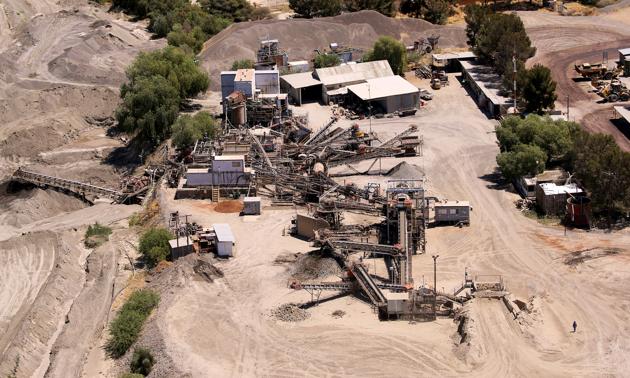
Members of the cooperative, who cannot afford formal security, say they are also a target. A police spokesman said its records show 22 criminal incidents linked to illegal mining across Ekapa’s property and the area mined by Batho Pele between March and October this year, including an attempted murder and three serious assaults. With joblessness at an 11-year high and the economy in distress, that income is out of reach for many South Africans. (Sumaya Hisham / REUTERS)
8/9
 View Photos in a new improved layout
Updated on Nov 12, 2019 1:15 PM
Efforts to bring illegal mining into the mainstream are also hindered by a lack of accurate data about how many are involved, what income they generate, and under what conditions they work. “Accurate, reliable data is an essential first step to understanding the sector, recognising miners and formalising their work,” said a World Bank spokeswoman. (Sumaya Hisham / REUTERS)
9/9
 View Photos in a new improved layout
Updated on Nov 12, 2019 1:15 PM


