
 E-Paper



Photos: Iraqi Kurds vote in independence referendum defying Baghdad
Polls have opened in Iraq's Kurdish-run provinces and disputed territories as Iraqi Kurds cast ballots in support for independence from Baghdad in a historic but non-binding vote. Millions are expected to vote despite mounting regional opposition to the move. The US,Turkey, Iran and Syria have warned the vote will likely destabilize the region. Baghdad has also come out strongly against the referendum.
Updated on: Sep 25, 2017 3:20 PM IST

Share via


Copy link

1/8
 View Photos in a new improved layout
Updated on Sep 25, 2017 3:20 PM
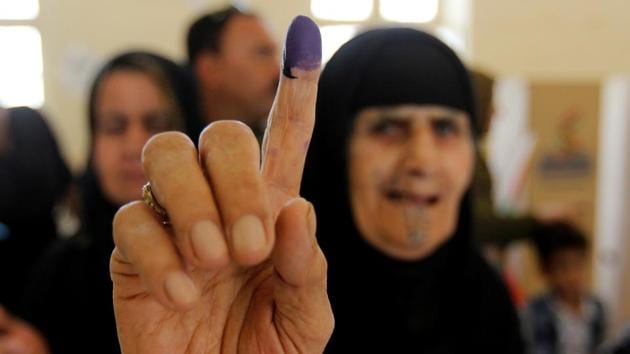
A woman shows her ink-stained finger after casting her vote in the Kurdish independence referendum in Kirkuk, Iraq on September 25, 2017. Iraqi Kurds took to the ballot in defiance of Baghdad which has warned of ‘measures’ to defend Iraq’s unity and threatened to deprive their region of lifeline oil revenues. Initial results, expected to be announced 24 hours after polls close predict an overwhelming ‘Yes’ outcome but Kurdish officials have said there are no plans for an immediate declaration of independence. (Ako Rasheed / REUTERS)
2/8
 View Photos in a new improved layout
Updated on Sep 25, 2017 3:20 PM
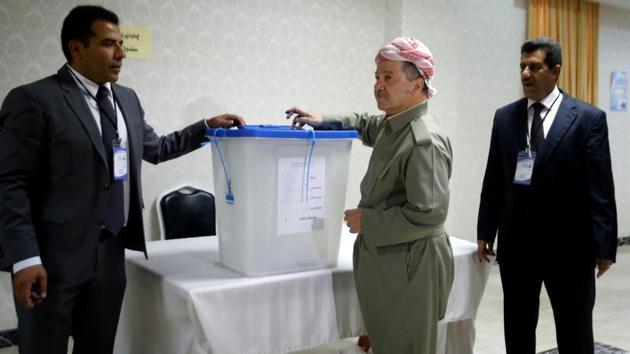
Iraqi Kurdish President Masoud Barzani (C) casts his vote during the referendum in Erbil. The non-binding vote on the Kurds’ dream of independence, initiated by veteran leader Barzani, angered not only the federal government but also Turkey and Iran, concerned it could stoke separatist aspirations among their own Kurdish minorities. The US and other Western nations have also raised concerns, saying the vote could hamper the fight against ISIS in which cooperation between Baghdad and the Kurds has been key. (Azad Lashkari / REUTERS)
3/8
 View Photos in a new improved layout
Updated on Sep 25, 2017 3:20 PM
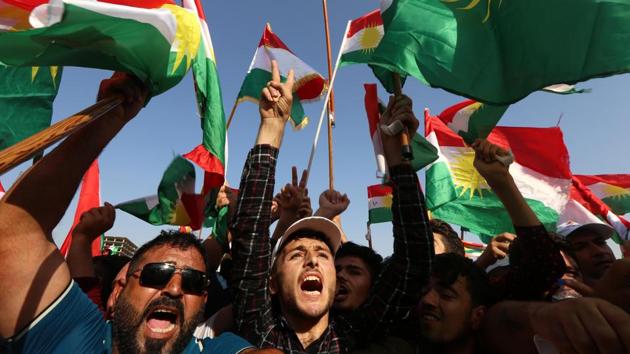
Iraqi Kurds fly Kurdish flags during an event to urge people to vote in the independence referendum in Erbil, the capital of the autonomous Kurdish region of northern Iraq, on September 22, 2017. Leading to the vote, Kurdish flags were festooned in the streets, on cars and outside homes across Iraqi Kurdistan. People in caps emblazoned with the Kurdish colours of red, white, green and yellow, and regional flags around their necks and shoulders were out on the streets calling for the vote. (Safin Hamed / AFP)
4/8
 View Photos in a new improved layout
Updated on Sep 25, 2017 3:20 PM
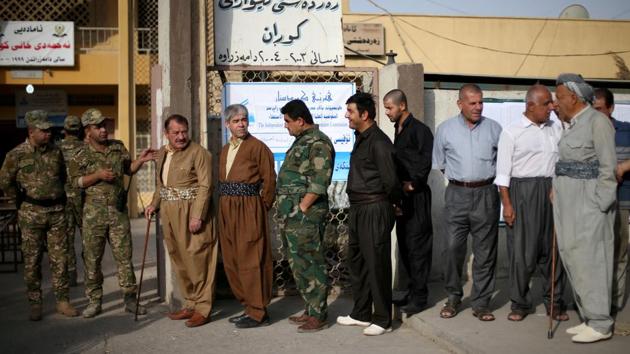
Security men and residents line up during the independence referendum in Erbil, Iraq on September 25, 2017.Voters headed to the polls with many men dressed in traditional Kurdish attire of brown shirt and billowing trousers. ‘I came very early to be the first to vote for a Kurdish state,’ Diyar Abubakr, 33, said outside a polling station. ‘It’s a day of celebration today. That’s why I’ve put on our traditional outfit, which I bought for the occasion,’ he said. (Ahmed Jadallah / RETUERS)
5/8
 View Photos in a new improved layout
Updated on Sep 25, 2017 3:20 PM
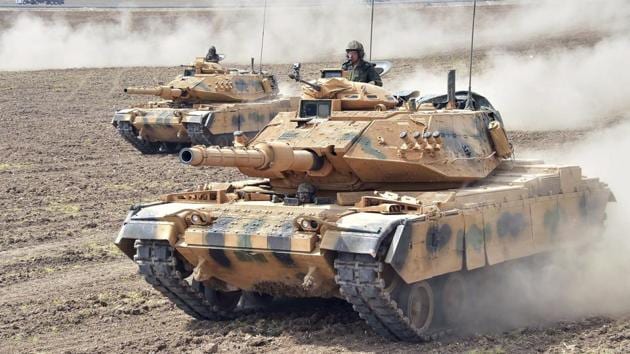
The Turkish parliament on Saturday renewed a bill allowing the military to intervene in Iraq and Syria if faced with national security threats — a move seen as a final warning to Iraqi Kurds to call off their independence referendum. The Turkish Foreign Ministry said it did not recognise the referendum and would view its outcome as null and void, adding that the Kurdistan Regional Government was threatening the peace and stability of Iraq and the whole region. (Turkish Military / Pool Photo via AP)
6/8
 View Photos in a new improved layout
Updated on Sep 25, 2017 3:20 PM
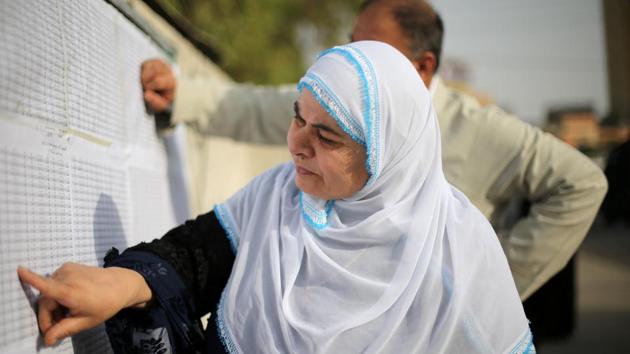
People look for their names in the lists at a polling station in Erbil, Iraq on September 25, 2017. A total of 12,072 polling stations are open for more than 5.3 million registered voters. Polling stations are scattered across the three northern provinces of autonomous Iraqi Kurdistan -- Erbil, Sulaimaniyah and Dohuk -- as well as in disputed bordering zones such as the oil-rich province of Kirkuk where mosque loudspeakers blared out calls for residents to take part in the vote.. (Ahmed Jadallah / REUTERS)
7/8
 View Photos in a new improved layout
Updated on Sep 25, 2017 3:20 PM
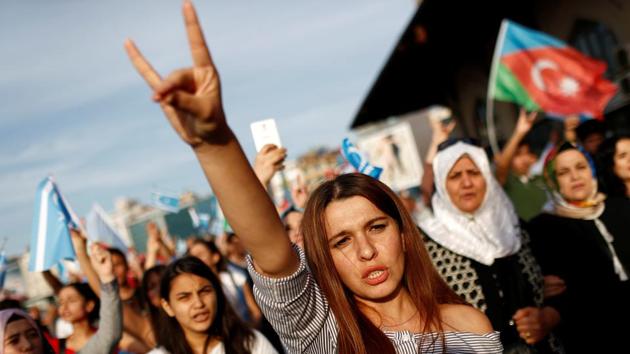
Demonstrators shout slogans during a protest against the Kurdish independence referendum, in Istanbul, Turkey on September 24, 2017. The Iraqi Kurds export an average 600,000 barrels per day (bpd) through a pipeline running through Turkey to Ceyhan on the Mediterranean. The Syrian government, which is regaining territory with Iranian and Russian military backing, also opposes steps taken by Syrian Kurds towards autonomy in northern Syria since the start of the country’s civil war in 2011. (Murad Sezer / REUTERS)
8/8
 View Photos in a new improved layout
Updated on Sep 25, 2017 3:20 PM


