
 E-Paper



Photos: Meth boom adds to Afghanistan’s opium and heroin troubles
At a sprawling rehabilitation centre on the outskirts of Kabul, dozens of dazed-looking drug addicts clamber out of police buses and shuffle toward the facility. The men, arrested on the streets of the Afghan capital, have been sent to a compulsory detox programme established to tackle an explosion in the use and production of highly addictive methamphetamine. Almost unheard of in Afghanistan until a few years ago, meth's sudden appearance has blindsided authorities in a country already suffering from a crisis in opium and heroin addiction.
Updated on: Dec 21, 2019 12:37 PM IST


Share via


Copy link

1/8
 View Photos in a new improved layout
Updated on Dec 21, 2019 12:37 PM
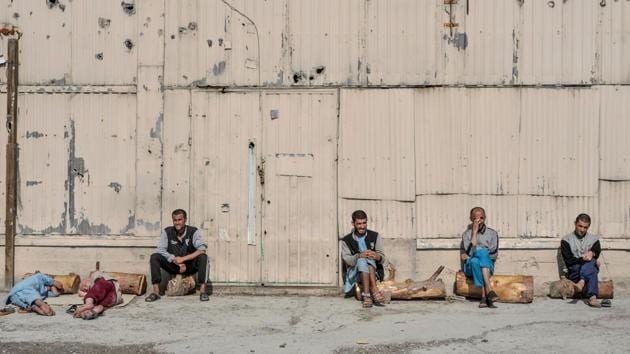
Drug addicts rest at a drug treatment centre in Kabul, as part of a compulsory detox programme launched by the government. Data from 2015 -- when the last comprehensive national survey was carried out -- showed about three million drug addicts in Afghanistan, a huge proportion of the country’s estimated 37 million people. Experts say the number has only risen, and health officials estimate the proportion of addicts using meth could be as high as about 40%. (Noorullah Shirzada / AFP)
2/8
 View Photos in a new improved layout
Updated on Dec 21, 2019 12:37 PM
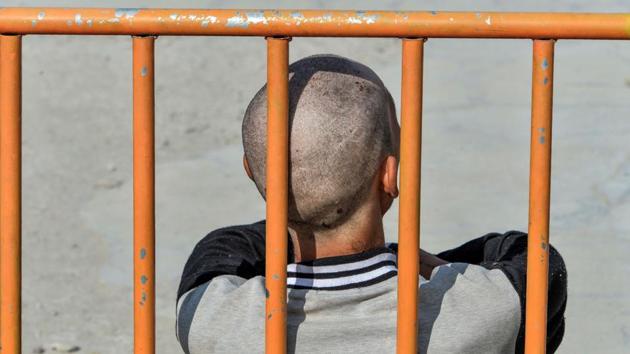
A drug addict sits on the ground at a drug treatment centre in Kabul. “My life has been ruined by addiction,” said 25-year-old Sulaiman, one of the 40 or so men arriving at the treatment centre. The physical impact of the drug -- known locally as “shisha”, or glass -- is evident: Sulaiman’s sunken eyes and hollow cheeks paint a picture of meth addiction familiar in many Western nations. (Noorullah Shirzada / AFP)
3/8
 View Photos in a new improved layout
Updated on Dec 21, 2019 12:37 PM
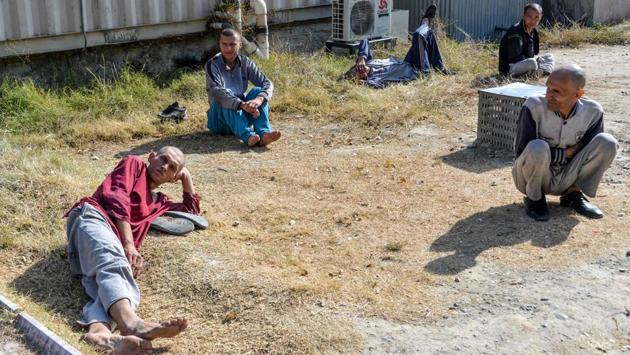
Drug addicts rest at the centre. Sulaiman and other patients at Ibn Sina, Afghanistan’s largest addiction treatment facility, must undergo 45 days of mandatory rehab. Located on the site of a former military base, Ibn Sina currently houses around 900 men. Smaller facilities elsewhere are available for women. (Noorullah Shirzada / AFP)
4/8
 View Photos in a new improved layout
Updated on Dec 21, 2019 12:37 PM
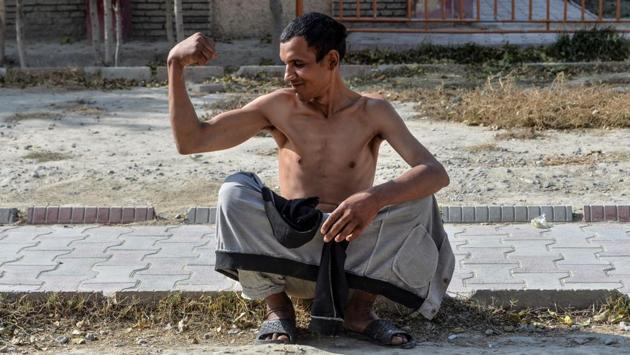
A drug addict poses as he flexes his bicep at the centre. Until 2017, it was filled mainly with opiate addicts, said Abdul Jabar Jalili, Ibn Sina’s chief physician and counsellor. “Today, around 70 percent of patients here are addicted to meth,” he said, pointing to a group of addicts ambling around a sun-filled yard in the vast compound. Statistics are bleak, with many of the patients addicted to both meth and opiates. (Noorullah Shirzada / AFP)
5/8
 View Photos in a new improved layout
Updated on Dec 21, 2019 12:37 PM
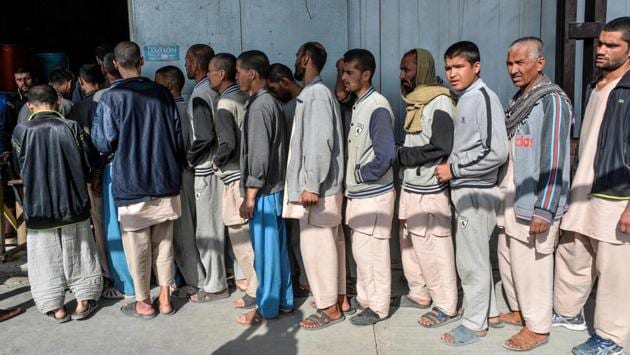
Drug addicts stand in line before having their lunch. The first meth seizure was reported in southern Helmand province in 2008 -- a meagre amount of a few grams, according to Afghan counter-narcotic officials. In the first 10 months of 2019, a massive 935 kilos had been seized, said Kabir Ibrahimkhail, a senior counter-narcotics officer. “At the rate it is increasing, it will not be a surprise if it soon replaces opium in Afghanistan.” (Noorullah Shirzada / AFP)
6/8
 View Photos in a new improved layout
Updated on Dec 21, 2019 12:37 PM
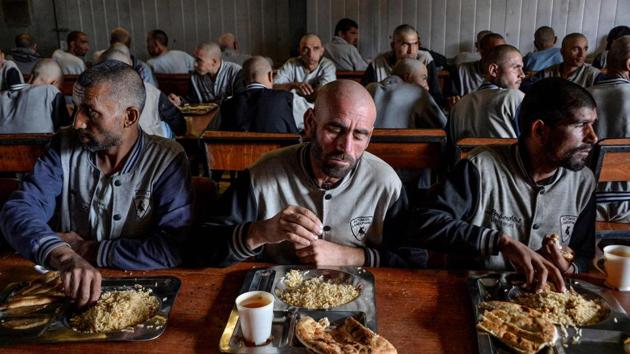
Drug addicts have their lunch. Abdul Shukoor Haidari, deputy head of Afghanistan’s Drug Demand Reduction Programme, said meth dealers use persuasive tactics to spread its use. “They say meth is not addictive and can help beat your opiate addiction. Then they lower prices and in some cases stop distributing heroin, so addicts are forced to turn to meth,” Haidari said. (Noorullah Shirzada / AFP)
7/8
 View Photos in a new improved layout
Updated on Dec 21, 2019 12:37 PM
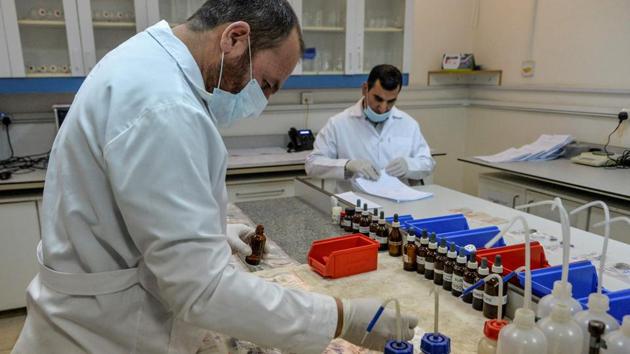
Pharmacists examine seized samples of drugs to identify the substances in the country's main drug lab in Kabul. Before 2015, Afghan production was scarce, with most of the drug believed to have come from neighbouring Iran, where pseudoephedrine, an ingredient found in cold medicine, is used as a precursor to cook meth. But manufacturers have found they can use a local mountain shrub known as “Oman”. (Noorullah Shirzada / AFP)
8/8
 View Photos in a new improved layout
Updated on Dec 21, 2019 12:37 PM


