
 E-Paper



Photos: SpaceX’s Starship prototype explodes during test flight
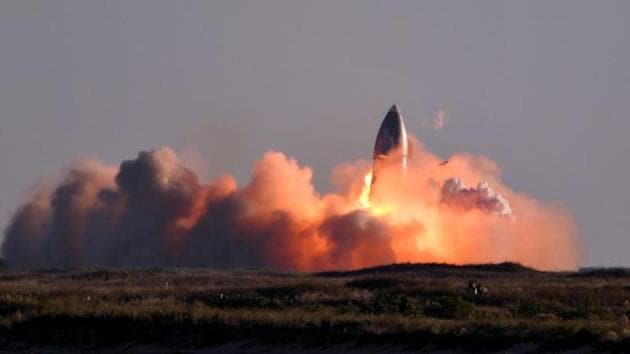
SpaceX’s first high-altitude test flight of its next-generation Starship spacecraft ended in a massive fireball in South Texas on December 9 after a mission that otherwise went smoothly until the landing, prompting an upbeat reaction from founder Elon Musk. The nearly seven-minute flight proved stable until the landing attempt when the Starship failed to slow down enough. The impact of the unoccupied rocket then engulfed the landing site in flames. The Starship is SpaceX’s prototype for a cargo and passenger vehicle to long-haul missions to the moon and Mars.
Updated on: Dec 11, 2020 11:30 AM IST


Share via


Copy link

1/8
 View Photos in a new improved layout
Updated on Dec 11, 2020 11:30 AM
SpaceX's first super heavy-lift Starship SN8 rocket explodes during a return-landing attempt after it launched from their facility on a test flight in Boca Chica, Texas on December 9. The Starship rocket destroyed in the accident was a 16-storey-tall prototype for a heavy-lift launch vehicle being developed by Elon Musk’s private space company to carry humans and 100 tons of cargo on future missions to the moon and Mars. (Gene Blevins / REUTERS)
2/8
 View Photos in a new improved layout
Updated on Dec 11, 2020 11:30 AM
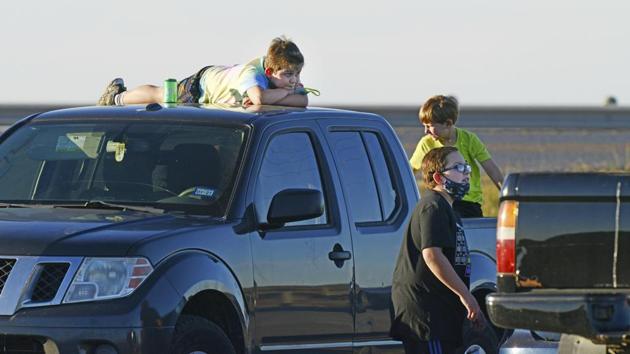
Youngsters wait to see SpaceX's prototype starship take off for a test flight on December 9 in Boca Chica. The self-guided rocket blew up as it touched down on a landing pad following a controlled descent. (Miguel Roberts/The Brownsville Herald via AP)
3/8
 View Photos in a new improved layout
Updated on Dec 11, 2020 11:30 AM
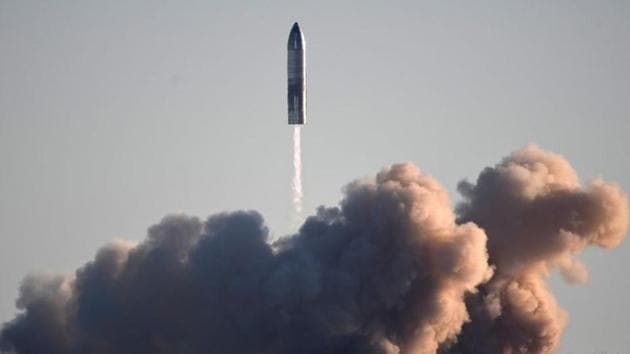
SpaceX launches its first super heavy-lift Starship SN8 rocket during a test from their facility in Boca Chica on December 9. The test flight had been intended to reach an altitude of 41,000 feet, propelled by three of SpaceX’s newly developed Raptor engines for the first time. The company left unclear whether the rocket had flown that high, Reuters reported. (Gene Blevins / REUTERS)
4/8
 View Photos in a new improved layout
Updated on Dec 11, 2020 11:30 AM
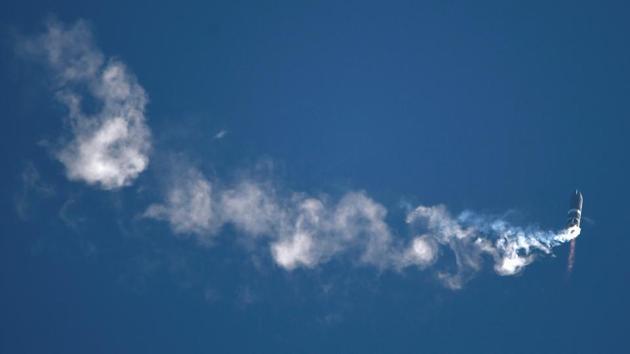
The Starship SN8 rocket in flight after it launched from Boca Chica on December 9. Musk said in a tweet immediately following the landing mishap that the rocket’s “fuel header tank pressure was low” during descent, “causing touchdown velocity to be high.” He added that SpaceX had obtained “all the data we needed” from the test and hailed the rocket’s ascent phase a success. (Gene Blevins / REUTERS)
5/8
 View Photos in a new improved layout
Updated on Dec 11, 2020 11:30 AM
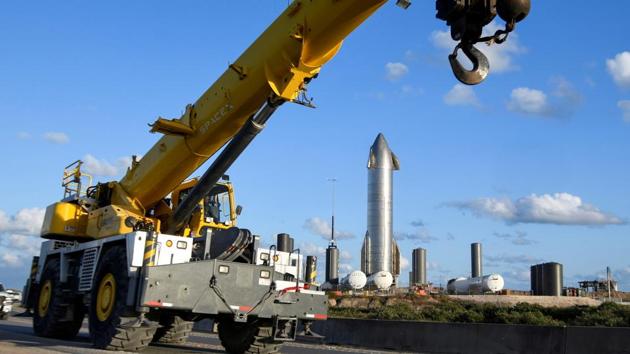
A view of the SpaceX test site during preparations for the launch event on December 1. The complete Starship rocket, which will stand 394-feet tall when mated with its super-heavy first-stage booster, is the company’s next-generation fully reusable launch vehicle - the centre of Musk’s ambitions to make human space travel more affordable and routine. (Gene Blevins / REUTERS)
6/8
 View Photos in a new improved layout
Updated on Dec 11, 2020 11:30 AM
A space buff watches as jets' contrails make a big X in the sky before SpaceX's Starship SN8 launching was aborted 1.3 seconds before ignition from their facility in Boca Chica on December 8. SpaceX made its first attempt to launch Starship on December 8, but a problem with its Raptor engines forced an automatic abort just one second before lift off. (Gene Blevins / REUTERS)
7/8
 View Photos in a new improved layout
Updated on Dec 11, 2020 11:30 AM
Tourists on a pirate ship pass in front of the SpaceX's Starship SN8 after the launching was aborted on December 8. California-based SpaceX has been buying up residential properties in the Boca Chica situated just north of the US-Mexico border to make room for expanding Starship facilities, which Musk envisions as a future “gateway to Mars.” (Gene Blevins / REUTERS)
8/8
 View Photos in a new improved layout
Updated on Dec 11, 2020 11:30 AM


