
 E-Paper



Photos: Vibrant Cape Verdean culture draws people to Lisbon outskirt
In 1960s people from Cape Verde started settling in Cova Moura, a neighbourhood in Lisbon, but it was only in 1974, when the “Carnation Revolution” ended Portugal’s dictatorship, that the neighbourhood became a hub for migrants coming from the former colonies in Africa. Presently, the immigrants are transforming the area's image from being the poorest and most neglected to vibrant and culturally rich. They celebrate their home, a tiny archipelago off Africa’s west coast, with music, food and street art - which tourists increasingly want to experience.
Updated on: Mar 30, 2019 3:53 PM IST


Share via


Copy link

1/12
 View Photos in a new improved layout
Updated on Mar 30, 2019 3:53 PM
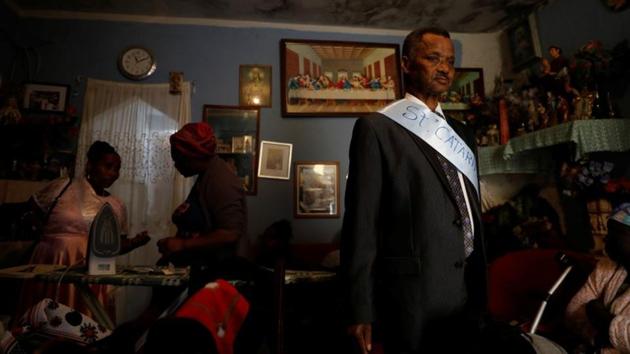
Retired Evaristo Marques, 75, prepares at his house to celebrate the day of Santa Catarina in Cova da Moura neighbourhood in Lisbon, Portugal. Marques, who was born in Cape Verde’s capital Praia, doesn't see himself living anywhere else in Lisbon. (Rafael Marchante / REUTERS)
2/12
 View Photos in a new improved layout
Updated on Mar 30, 2019 3:53 PM
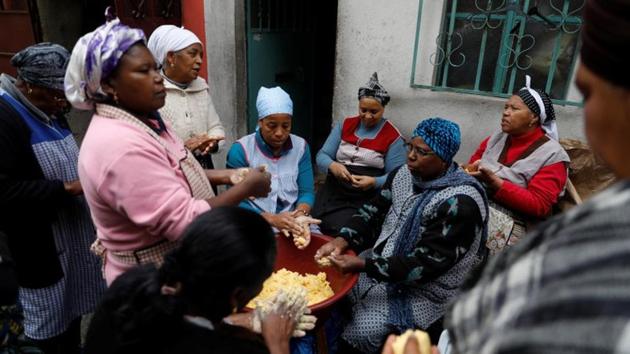
Women prepare corn flour during Santa Catarina celebrations in Cova da Moura. Santa Catarina is one of the most important religious celebrations here and in Cape Verde. Long considered a no-go area by Lisbon residents, Cova Da Moura is a warren of small streets where Cape Verdeans make up two-thirds of the 6,000 residents. (Rafael Marchante / REUTERS)
3/12
 View Photos in a new improved layout
Updated on Mar 30, 2019 3:53 PM
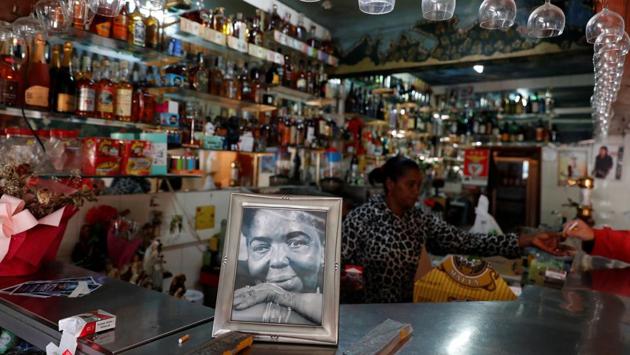
A photograph of Cape Verde singing legend Cesaria Evora sits inside a restaurant. It was in 1960s when people started settling in Cova Moura, but it was only in 1974, when the “Carnation Revolution” ended Portugal’s dictatorship, that the neighbourhood became a hub for migrants coming from the former colonies in Africa. (Rafael Marchante / REUTERS)
4/12
 View Photos in a new improved layout
Updated on Mar 30, 2019 3:53 PM
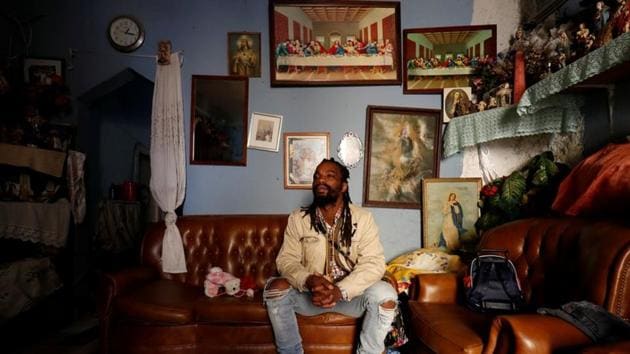
Paulo Cabral, 36, born in Cova da Moura to Cape Verdean parents, at his father’s house. "Sometimes the only thing people know about Cova da Moura is the negative side,” said Cabral “But that isn’t the whole truth.” Cabral organises tours of Cova da Moura. “When you visit once you keep on coming back,” he said. “People may be poor here but they have big hearts and preserving culture is part of who we are.” (Rafael Marchante / REUTERS)
5/12
 View Photos in a new improved layout
Updated on Mar 30, 2019 3:53 PM
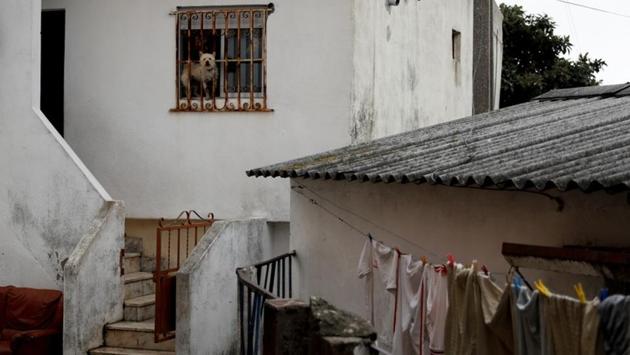
Cova da Moura’s simple brick and concrete dwellings stretch across 16 hectares of hills on the outskirts of the capital. Migrants built illegal sheds and basic infrastructure, but there was no running water, sewage or electricity. Now sturdy two- or three-storey houses have replaced wooden shacks and the muddy streets have been paved. Most residents are employed as construction and domestic workers. (Rafael Marchante / REUTERS)
6/12
 View Photos in a new improved layout
Updated on Mar 30, 2019 3:53 PM
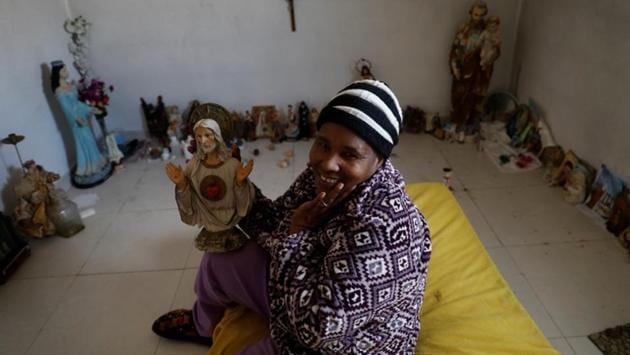
Dulce Fernandes poses with her Catholic figures in her room. “I always have a smile on my face even though I’m sick,” Dulce said. She has problems in her knees, which makes it hard for her to walk. Dulce came to Portugal in 2000. “I moved to Portugal to seek a better life, there were no jobs in Cape Verde. I have four children, without a father. I'm a strong woman,” she said. (Rafael Marchante / REUTERS)
7/12
 View Photos in a new improved layout
Updated on Mar 30, 2019 3:53 PM
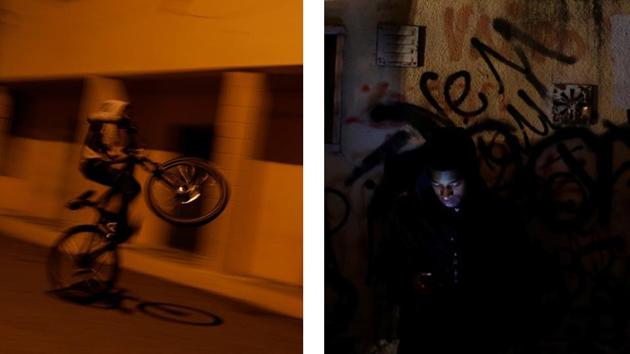
A boy rides a bicycle on a street and a man checks his phone. The area remains notorious within Portugal for its crime rate and a trial over alleged police brutality. Seventeen officers at a local police station have been charged with torture, kidnapping, falsifying reports and other crimes. Police declined to comment as the trial is ongoing. (Rafael Marchante / REUTERS)
8/12
 View Photos in a new improved layout
Updated on Mar 30, 2019 3:53 PM
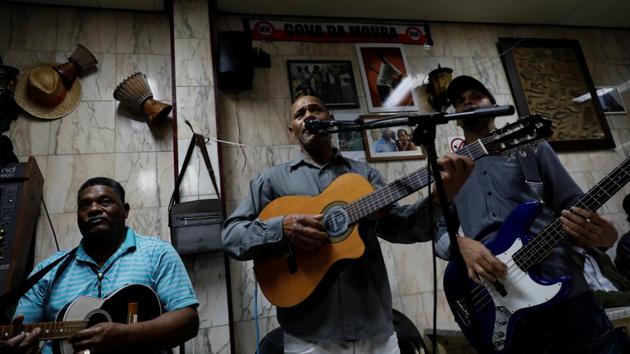
Of an evening, Cova da Moura is alive with African beats and melodies. One of the musicians is Francisco Fortes. A bricklayer by day, the 56-year-old’s true passion emerges when he takes the stage at Coqueiro, one of the dozens of restaurants serving traditional food, to sing ‘morna’ ballads. “Living in Cova da Moura is just like living in Cape Verde,” Fortes said as he ate a richly-flavoured ‘cachupa’ stew. (Rafael Marchante / REUTERS)
9/12
 View Photos in a new improved layout
Updated on Mar 30, 2019 3:53 PM
People dance inside Coqueiro, one of the dozens of restaurants in the Cova da Moura. Made famous by Cape Verde’s singing legend Cesaria Evora, ‘morna’ is a musical mainstay here. The more upbeat ‘funana’ and ‘batuque’ styles, which will feature in pop star Madonna’s upcoming album, are also popular. Madonna has had a home in Portugal since 2017. (Rafael Marchante / REUTERS)
10/12
 View Photos in a new improved layout
Updated on Mar 30, 2019 3:53 PM
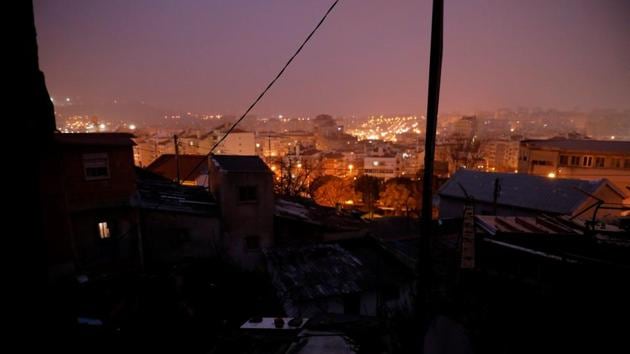
Lisbon is seen from Cova da Moura neighbourhood in Lisbon, Portugal. A 2017 United Nations report found that those from former colonies living in Portugal are among the poorest and are deprived in terms of access to adequate housing. (Rafael Marchante / REUTERS)
11/12
 View Photos in a new improved layout
Updated on Mar 30, 2019 3:53 PM
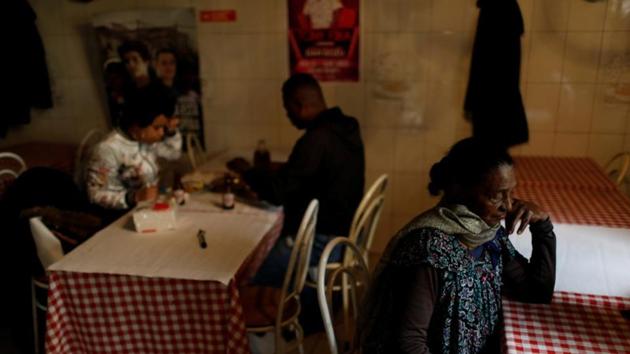
Cook Benvinda Mendes, 73, locally known as Totta, takes a break as customers eat at her restaurant. Mendes was born in the Cape Verdean island of Santa Catarina. There she was a construction worker. In the 1980s she moved to Portugal seeking a better life for her family - but when she got to Cova da Moura there was no running water or other basic services. Now, she runs a family restaurant. (Rafael Marchante / REUTERS)
12/12
 View Photos in a new improved layout
Updated on Mar 30, 2019 3:53 PM


