
 E-Paper



Photos: Human-tiger conflict victims’ widows ostracised in rural Bangladesh
Wildlife charities estimate there are some 100 tigers in the Bangladesh side of the Sundarbans. At least 519 men died from tiger attacks in 50 villages in one district -- home to half a million people -- between 2001 and 2011, according to Ledars Bangladesh, a charity helping widows reintegrate back in the villages. Their deaths are a double blow for the women left behind. Already grieving the loss of their partner, overnight they become 'tiger widows' -- pariahs in their homes and villages at a time when they most need support. They are often left with little means to support themselves or their families.
Updated on: Feb 19, 2020 5:53 PM IST


Share via


Copy link

1/9
 View Photos in a new improved layout
Updated on Feb 19, 2020 5:53 PM
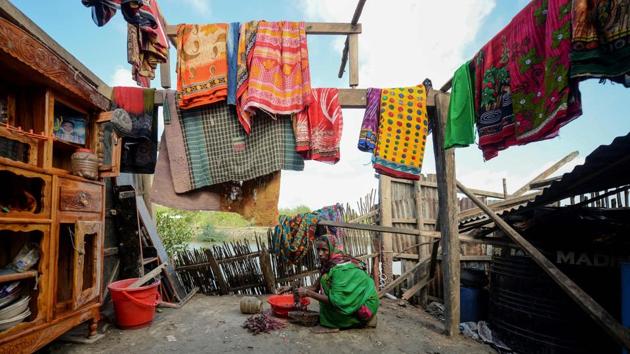
Mosammat Rashida, prepares a meal at her house in Shyamnagar, Bangladesh. Abandoned by her sons, shunned by her neighbours and branded a witch. Rashida’s crime? Her husband was killed by a Bengal tiger. Women like her are ostracised in many rural villages in Bangladesh, where they are viewed as the cause of their partner’s misfortune. (Munir uz Zaman / AFP)
2/9
 View Photos in a new improved layout
Updated on Feb 19, 2020 5:53 PM
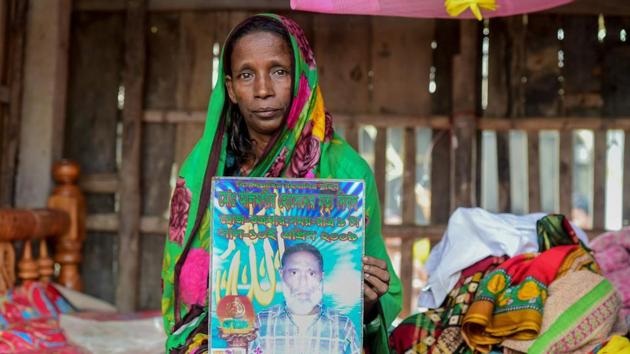
Mosammat Rashida holds a portrait of her husband during an interview. “My sons have told me that I am an unlucky witch,” she told AFP in her flimsy plank home, in the honey-hunters’ village of Gabura at the edge of the Sundarbans— a 10,000-square-kilometre mangrove forest that straddles Bangladesh and India. Her husband died while out collecting honey in the jungles there. (Munir uz Zaman / AFP)
3/9
 View Photos in a new improved layout
Updated on Feb 19, 2020 5:53 PM
A village in the Sundarbans. “Honey-hunters prefer to collect honey mostly in the southwestern Sundarbans, where most of the man-eaters (tigers) live,” leading Bengal tiger expert at Jahangirnagar University, Monirul Khan, told AFP. Tigers are an endangered species but climate change and human development is reducing their wild habitat, often forcing them towards villages in search of food. (Munir uz Zaman / AFP)
4/9
 View Photos in a new improved layout
Updated on Feb 19, 2020 5:53 PM
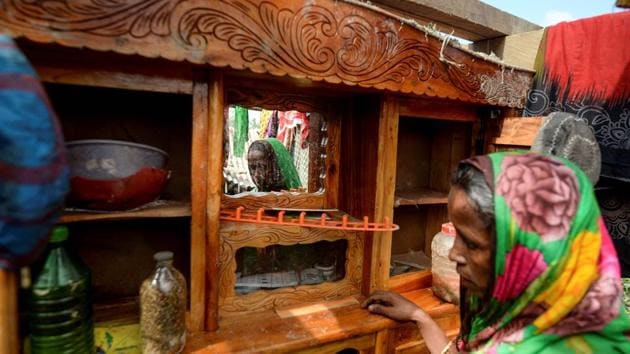
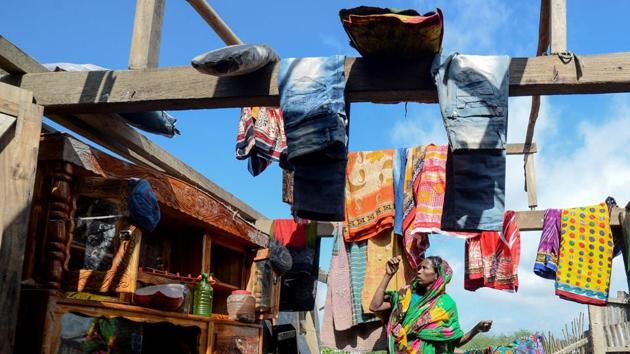
Rashida is heartbroken but unsurprised that her adult sons, aged 24 and 27, abandoned her and their two young siblings. “They are part of this society after all,” the 45-year-old said, wiping away tears. Her tiny shack has no roof—it was blown off by a deadly cyclone—but there have been no offers of help from neighbours or officials, who she claims helped others in the village but shunned her. (Munir uz Zaman / AFP)
5/9
 View Photos in a new improved layout
Updated on Feb 19, 2020 5:53 PM
Officials denied omitting Rashida from the help. But the head of Ledars Bangladesh, Mohon Kumar Mondal, said mistreatment of “tiger widows” was widespread in conservative communities, which often held “centuries old” prejudices. “They (charities) are working to restore the widows’ dignities. The main challenge is to change people’s beliefs,” he explained, noting that younger, more educated villagers were less fearful. (Munir uz Zaman / AFP)
6/9
 View Photos in a new improved layout
Updated on Feb 19, 2020 5:53 PM
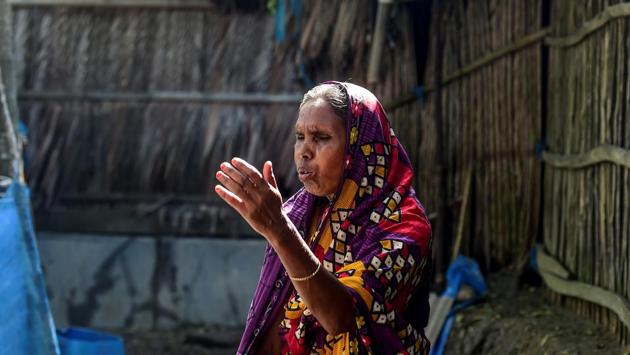
Rijia Khatun, who said she has learnt to cope with being ostracised after her honey-hunter husband’s death 15 years ago, has been secretly supported by her nephew and his family. “My sons were young. But nobody helped me. I felt bad at first as they kept blaming me for my husband’s death. I didn’t know what was my fault,” she recalled, adding: “But now I’ve learnt to live with this adversity.” (Munir uz Zaman / AFP)
7/9
 View Photos in a new improved layout
Updated on Feb 19, 2020 5:53 PM
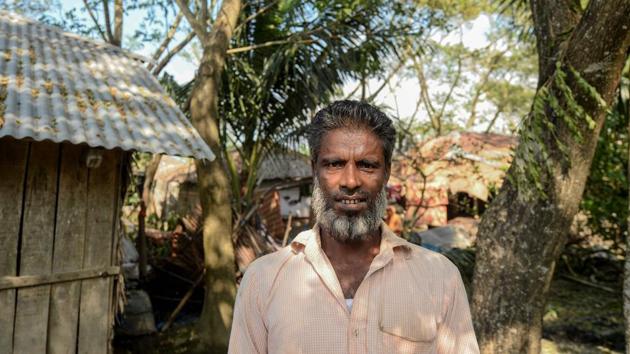
Her nephew Yaad Ali, who has witnessed several attacks including his uncle’s, explained that while he wanted to help, he could not do so publicly. “We had to do it (help Khatun) with confidentiality or else the village society would have ostracised us as well,” he confessed to AFP. (Munir uz Zaman / AFP)
8/9
 View Photos in a new improved layout
Updated on Feb 19, 2020 5:53 PM
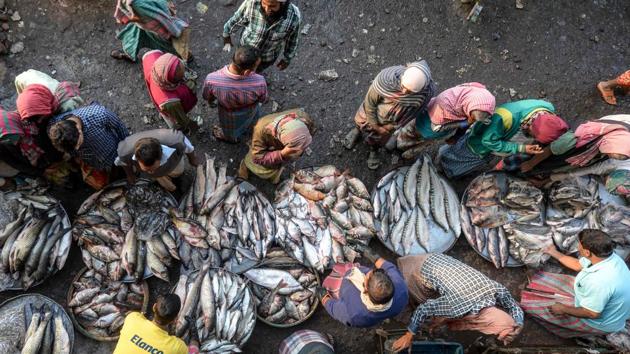
Honey hunting has traditionally been seen as a more accessible vocation for villagers who can’t afford the equipment or boats needed to undertake the region’s other main profession—fishing. But fears of being killed by the predators—and the consequences for the wives they leave behind—has meant more and more men are opting for a different trade. (Munir uz Zaman / AFP)
9/9
 View Photos in a new improved layout
Updated on Feb 19, 2020 5:53 PM


