
 E-Paper



Photos| World Environment Day: Families around the world join war on plastic
Faced with shops full of food and other goods swathed in plastics, families across the world are trying to reduce plastic use and recycle wherever possible to cut down its impact on the environment. On World Enviroment Day, a look at families around the world, from Athens to Singapore, and their personal steps in trying to reduce their plastic footprint as the war on plastics becomes a hot political topic and governments work to outlaw single-use items such as drinking straws and cotton buds.
Updated on: Jun 05, 2018 2:05 PM IST

Share via


Copy link

1/14

 View Photos in a new improved layout
Updated on Jun 05, 2018 2:05 PM
One week's worth of plastic waste, used and collected by the Joshi family. Joshi and her family reduce plastics by using bamboo toothbrushes, unpackaged shampoo bars rather than bottles and taking containers to restaurants to bring home any leftovers. “We shop for vegetables and fruits from local markets rather than from supermarkets where even the veggies and fruits are packed in plastic film,” Mugdha said. (Danish Siddiqui / REUTERS)
2/14
 View Photos in a new improved layout
Updated on Jun 05, 2018 2:05 PM
Mughda Joshi (R), along with her husband Tanmay Joshi (L), son Kabir (C), grandfather in law Manohar Joshi (2nd L) and mother in law Vandana Joshi (2nd R) pose for a portrait at their home in Mumbai. (Danish Siddiqui / REUTERS)
3/14
 View Photos in a new improved layout
Updated on Jun 05, 2018 2:05 PM
Lauren Singer, 27, runs the Package Free Shop in New York – a business that sells products with a mission to create a positive environmental impact. Five years ago, wanting to align her lifestyle with her values of sustainability she embarked on a path to reduce personal waste, shrinking her non-recyclable or non-compostable waste footprint over that period to a 16 ounce mason jar’s worth. (Mike Segar / REUTERS)
4/14
 View Photos in a new improved layout
Updated on Jun 05, 2018 2:05 PM
Five years worth of plastic waste generated by Lauren Singer. The environmental studies major is also the founder of the environmental educational blog, ‘Trash is for Tossers.’ According to UN’s Environment Programme, eight million tonnes of plastic –bottles, packaging and other waste – are dumped into the ocean every year across the world, killing marine life and entering the human food chain. (Mike Segar / REUTERS)
5/14
 View Photos in a new improved layout
Updated on Jun 05, 2018 2:05 PM
Eri Sato (R), her husband Tatsuya and three-month-old daughter Sara at their home in Yokohama, Japan. “I think there’s no escaping plastic waste. I see it on the streets, in the mountains, underwater. It’s literally everywhere. In our family, we try to reduce our carbon footprint wherever we can. We’re very conscious of the impacts our choices can have on the environment, Eri said. (Kim Kyung-Hoon / REUTERS)
6/14
 View Photos in a new improved layout
Updated on Jun 05, 2018 2:05 PM
One week’s worth of the Sato family’s plastic waste. Sato and her family firmly believe in minimal consumption of plastic products rather than recycling. The impact hit home for Eri Sato when she lived in Canada and volunteered to clear up debris swept across the ocean from Japan, after the devastating earthquake and tsunami there in March 2011. (Kim Kyung-Hoon / REUTERS)
7/14
 View Photos in a new improved layout
Updated on Jun 05, 2018 2:05 PM
Brandy Wilbur (2nd L), 44, a high school STEM Coordinator, and Anthony Wilbur (R), 45, a high school environmental science teacher pose for a portrait with their children Sophie (L), 12, and Andrew (2nd R) at their home in Wenham, Massachusetts. “When shopping, I try to buy products with minimal packaging but that’s challenging too as everything is packaged!” Brandy said. (Brian Snyder / REUTERS)
8/14
 View Photos in a new improved layout
Updated on Jun 05, 2018 2:05 PM
The Wilbur family believe that plastics are increasing, especially the plastics that cannot be recycled like wrappers, products in plastic wrap, snack bags, etc -- all for the sake of convenience. “We’re aware and try our best to reduce our use of plastics but it’s hard. We all use stainless steel water bottles and bring our own coffee mugs... but I’m not always successful,” Brandy added. (Brian Snyder / REUTERS)
9/14
 View Photos in a new improved layout
Updated on Jun 05, 2018 2:05 PM
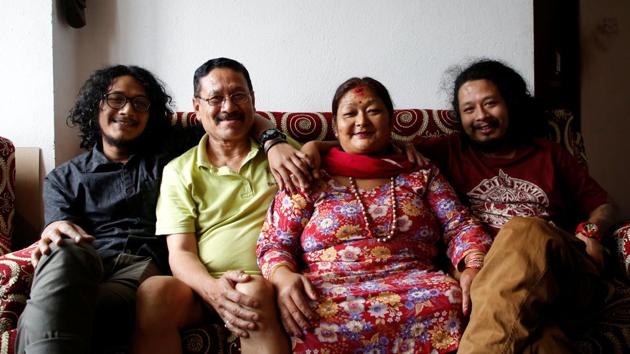
Roshani Shrestha (3rd L) along with her husband Indra Lal Shrestha and their children at their rented apartment in Kathmandu, Nepal. Roshini said that they use alternatives to plastic as it helps the environment but also showed concern that saying ‘no to plastic’ is an uphill task as most products come either in plastic wrap or some other plastic packaging. (Navesh Chitrakar / REUTERS)
10/14
 View Photos in a new improved layout
Updated on Jun 05, 2018 2:05 PM
And plastic packaging forms the majority of the Shrestha family’s weekly footprint. While governments and retailers have internationally started clamping down on plastic bags through bans and small fees for years, the focus has now increasingly turned to eradicating throwaway items such as straws and takeout food and drink packaging. (Navesh Chitrakar / REUTERS)
11/14
 View Photos in a new improved layout
Updated on Jun 05, 2018 2:05 PM
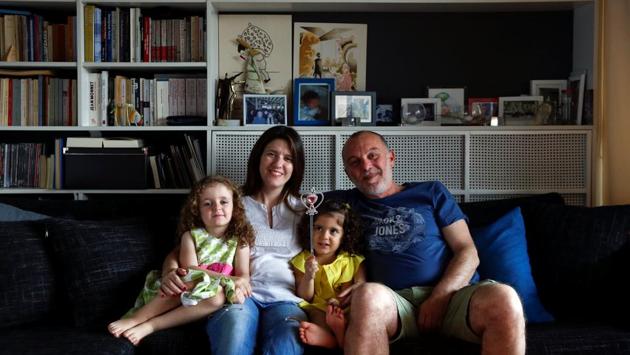
“Since plastic is dominating our daily life, it would be very difficult to stop using it. But, if someone somehow makes it like a habit, we think we could stop buying altogether,” said Alexandra Patrikiou, 39 (2nd Left) in the Greek capital Athens, who works hard to recycle paper and glass and buy recycled products. (Alkis Konstantinidis / REUTERS)
12/14
 View Photos in a new improved layout
Updated on Jun 05, 2018 2:05 PM
One week’s worth of plastic waste used and collected by the Lyritsis family. “We recycle plastic, paper, glass etc... and try to buy products made from recycled materials. We try to have as many plants as possible on our balcony,” Alexandra said. According to her the use of alternatives should be combined with initiatives and campaigns to raise awareness and create a greater consensus. (Alkis Konstantinidis / REUTERS)
13/14
 View Photos in a new improved layout
Updated on Jun 05, 2018 2:05 PM
Tatiana Schnittke (L), Yaniv Ben-Dov and their son Jonathan pose for a portrait in their apartment in Tel Aviv, Israel. For some, it is a personal battle, overcoming the preconceptions of others as they try to do their bit. “They say ‘are you part of this green movement’ ... They don’t understand it. Also not using plastic bags for vegetables is considered disgusting, they hate it ... but I still do it,” Schnittke said. (Corinna Kern / REUTERS)
14/14
 View Photos in a new improved layout
Updated on Jun 05, 2018 2:05 PM


